Every chapter of the official USCIS 2025 civics test textbook, plus all 128 official test questions and answers searchable, illustrated, and organized by topic.
What you'll learn in this chapter
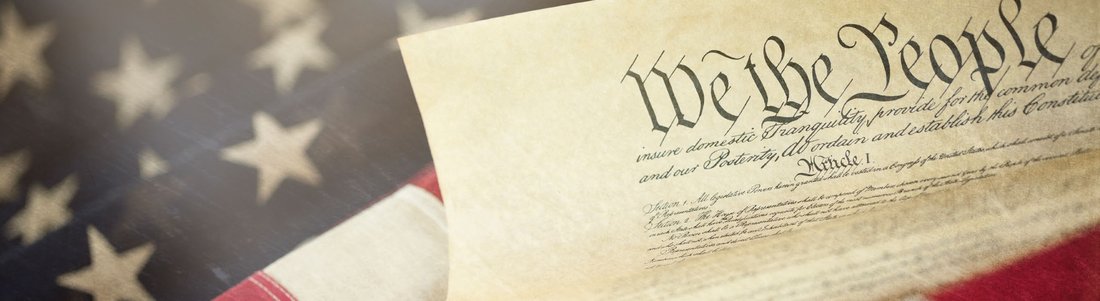
The U.S. Constitution was written in 1787. It is the oldest written constitution in the world. The Constitution sets up the government and enshrines the basic rights of the American People.
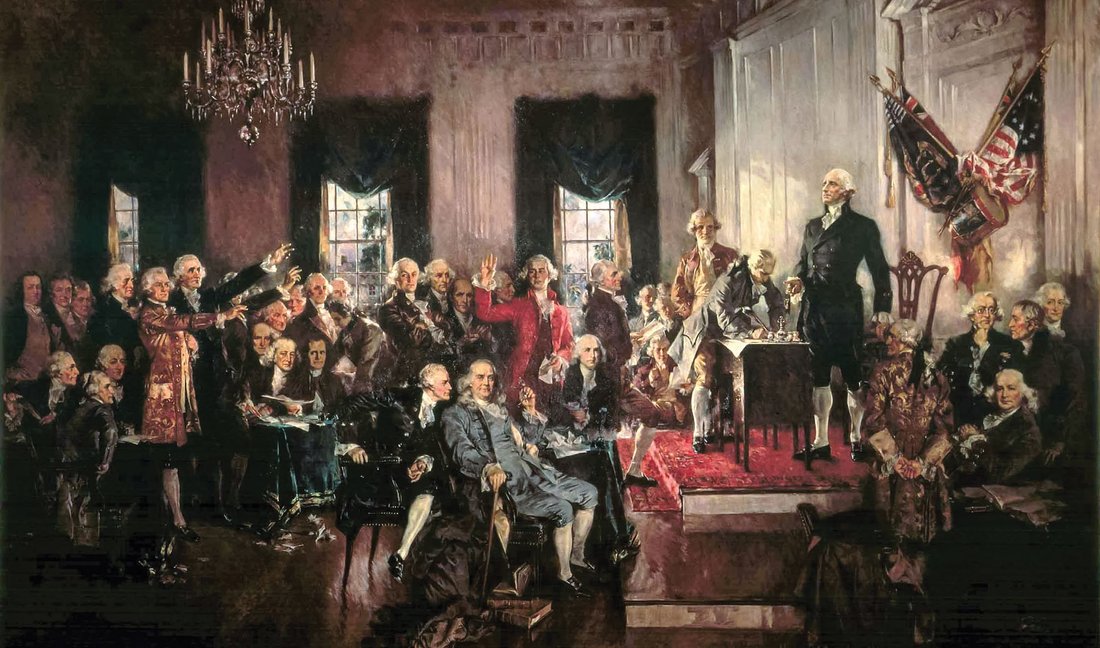
The Constitution was written during the period when the country was created. Another word for created is “founded.” The period when the country was created is called the Founding Era. In 1787, famous leaders from around the country like George Washington, Benjamin Franklin, James Madison, and Alexander Hamilton came to Philadelphia, Pennsylvania, for a Constitutional Convention. The leaders who met at the Constitutional Convention are sometimes called the Founders. The Founders wrote the Constitution at the Constitutional Convention.
When the Founders wrote the Constitution in 1787, it had a Preamble and seven sections. There have been changes made to the Constitution since it was written. A change to the Constitution is called an amendment. There are 27 amendments to the Constitution. The 27 amendments are listed after the seven sections of the original Constitution.
The beginning of the Constitution is called the Preamble. The Preamble to the Constitution explains why the Founders wrote the Constitution.
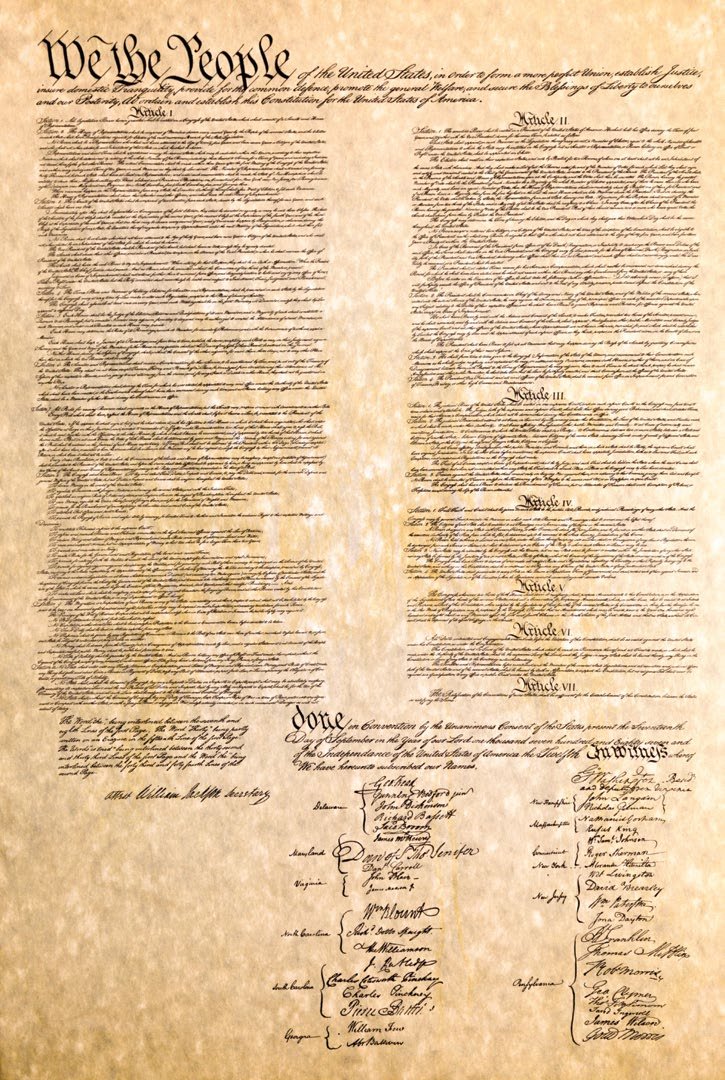
The Preamble also says that under the Constitution, the people of the United States will have self-government. This means that the people of the United States are not governed by a king or a queen. Instead, the people of the United States govern themselves. The people of the United States govern themselves by electing representatives who serve in the local, state, and U.S. governments.
The idea of self-government is in the first three words of the Constitution. These words are, “We the people”.
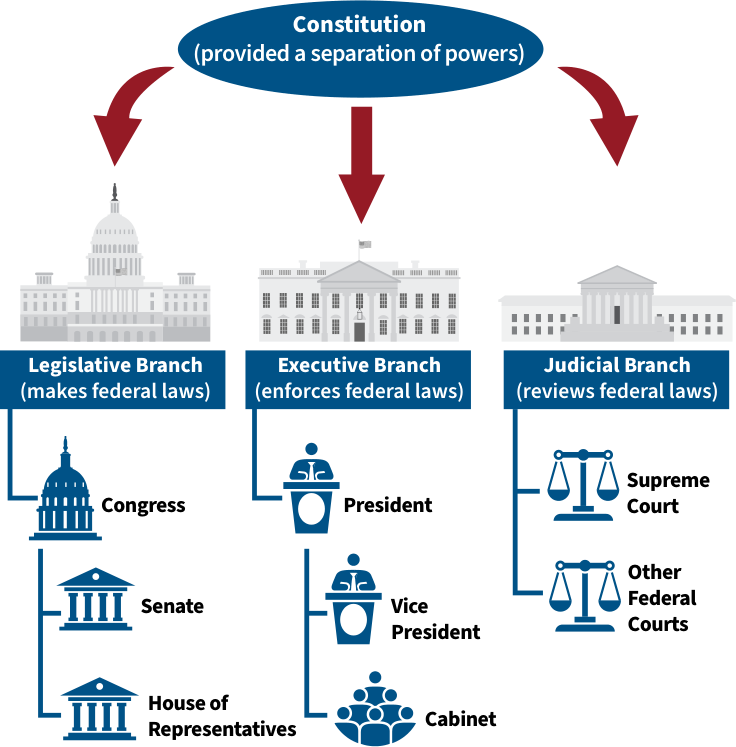
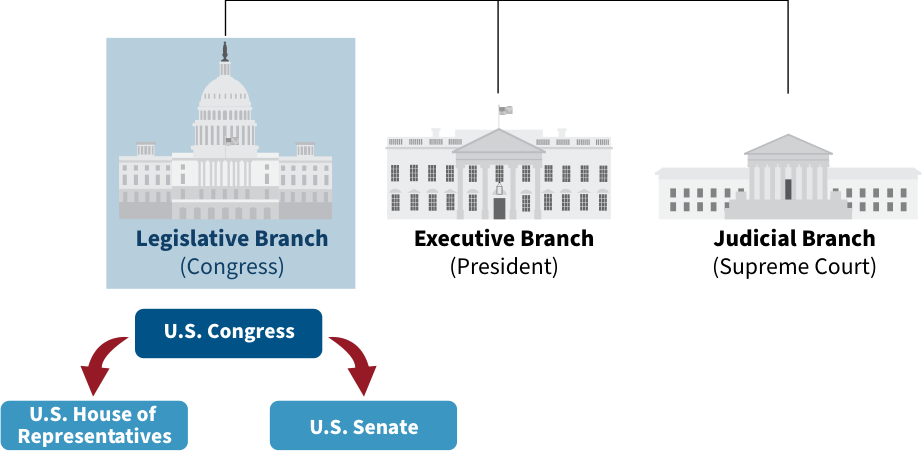
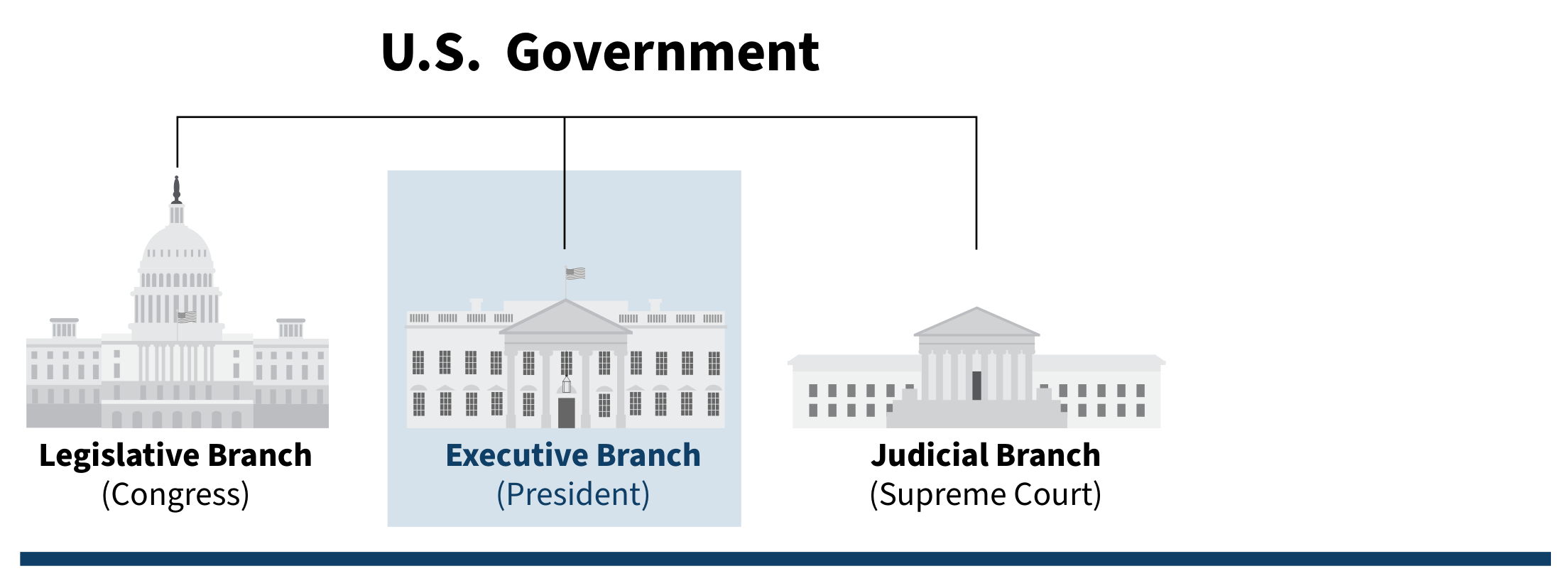
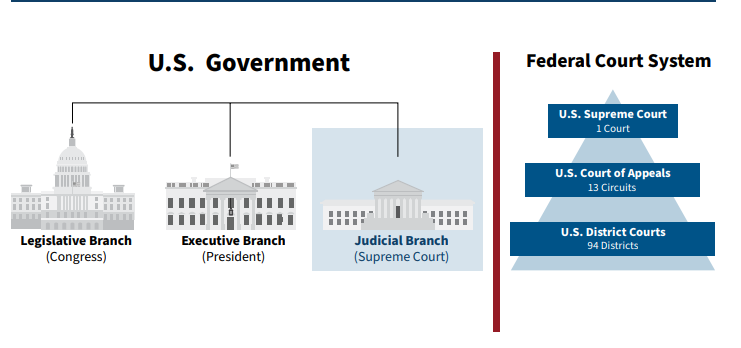
The first three sections of the Constitution set up the U.S. government. These sections of the Constitution describe the three branches or parts of the U.S. government. The U.S. government is also called the federal government.
The three branches of government are called the Legislative Branch, the Executive Branch, and the Judicial Branch.
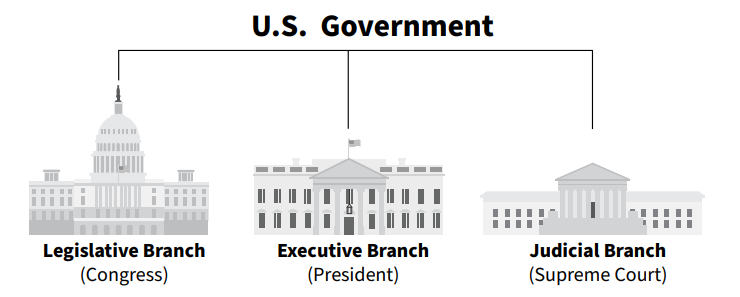
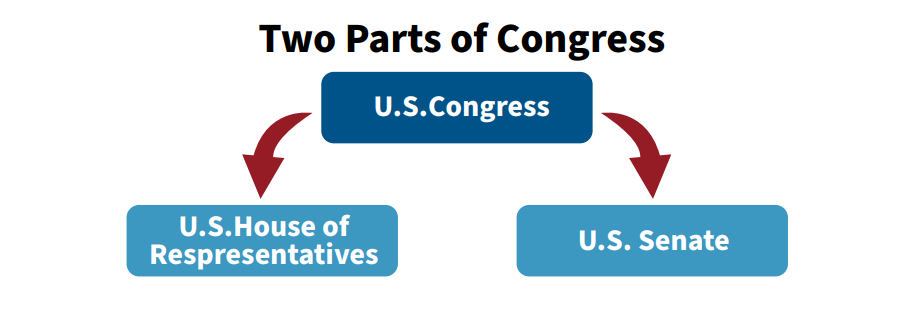
The Legislative Branch is also called Congress. There are two parts to the U.S. Congress. They are called the House of Representatives and the Senate.
The President of the United States is in charge of the Executive Branch. Other parts of the Executive Branch include:
The parts of the Judicial Branch are the Supreme Court and other federal courts. The Supreme Court is the highest court in the U.S.
During the Constitutional Convention, the Founders were afraid that if one person or group has too much power, then they could take over the country. They decided to separate the powers of government so that no one person or group could become too powerful. The Constitution gives each branch of government different powers. This is called “separation of powers.” Separation of powers stops one branch from becoming too powerful.
The powers of each branch of government are:
The Constitution also lists the powers that the federal government has, such as the power to protect the people of the United States.
For example, under the Constitution, the federal government has the power to create an army to defend the nation, and to declare war if the U.S. has been attacked or is under threat.
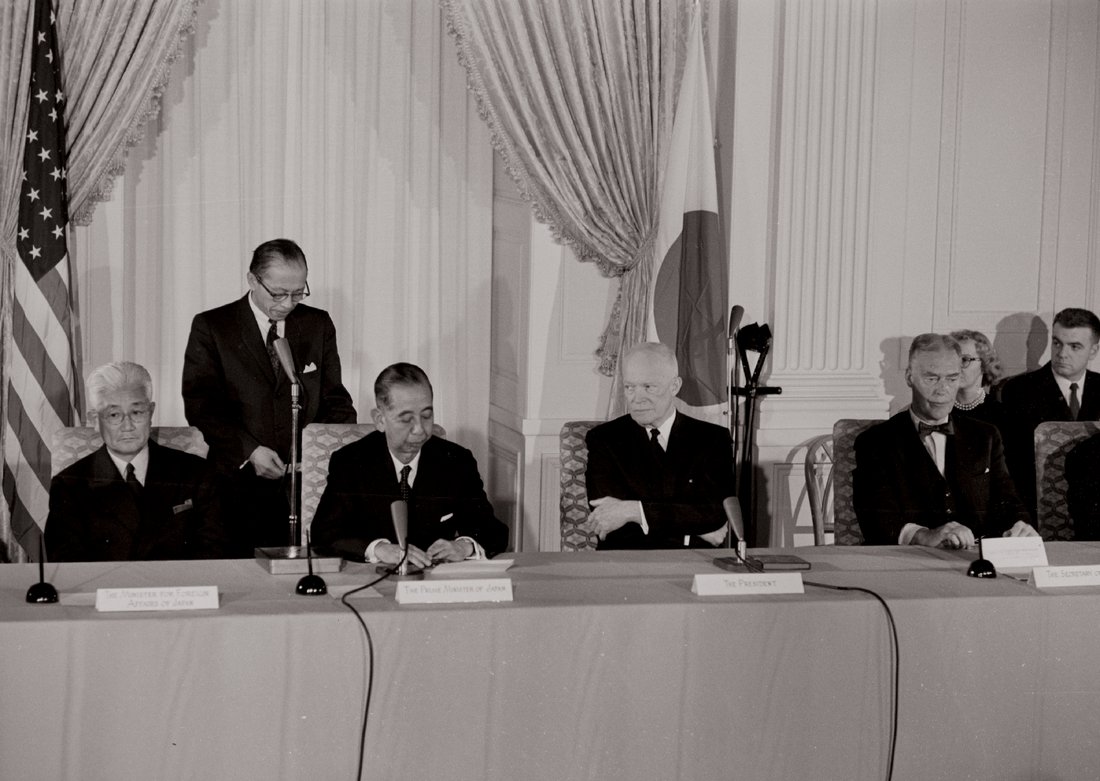
The federal government also has the power to make treaties. A treaty is an agreement between two or more countries. Sometimes the federal government signs treaties with other countries to end wars or conflicts. Other times, the federal government signs treaties with countries to work together on issues like trade.
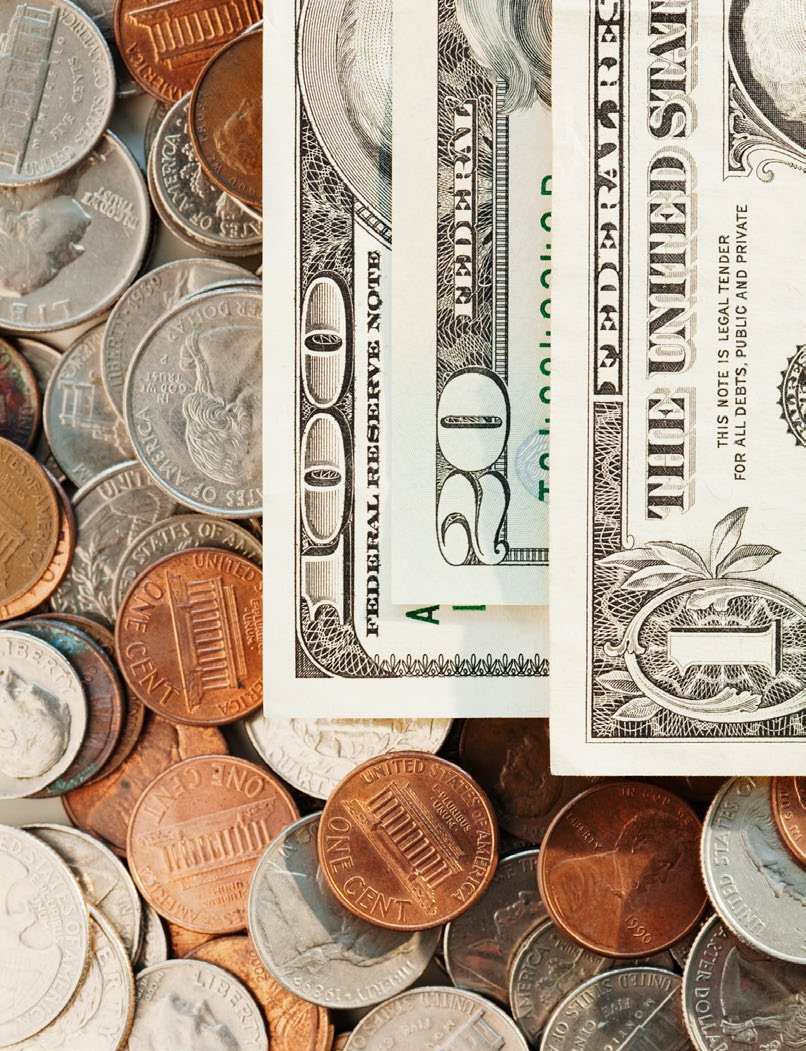
Another power that the federal government has under the Constitution is to print money. Only the U.S. government has the power to print the dollar bills and coins that people use for money in the United States.
The fourth section of the Constitution explains how state governments are set up. This section also explains how new states can join the United States.
Washington, D.C., does not have a governor because it is not a U.S. state. Washington, D.C., residents should answer that D.C. does not have a governor.
The Constitution says that each state will have a government that has a legislative branch, an executive branch, and a judicial branch.
The person in charge of the executive branch for a state government is a called a governor. Each of the 50 states has a governor. To find out who is the governor of your state now, please visit: usa.gov/state-governor.
Under the Constitution, powers not delegated to the United States by the Constitution, nor prohibited by it to the states, are reserved for the states respectively, or to the people.
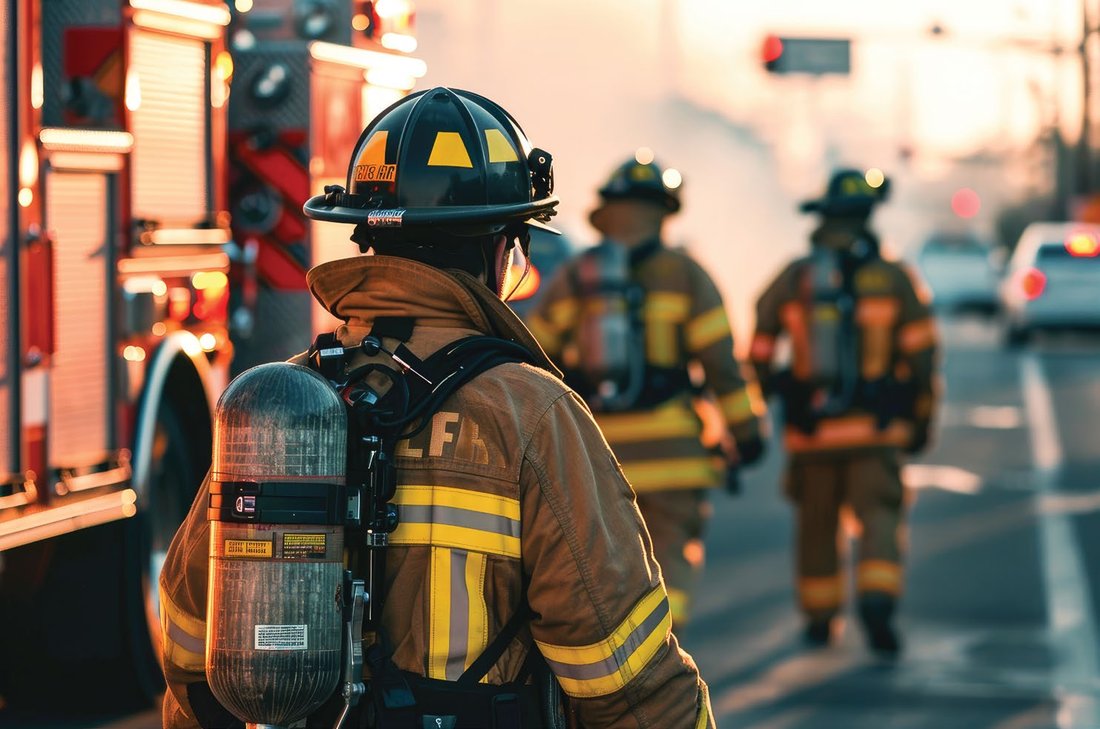
For example, state governments have the power to provide the people of their state with protection and safety. One way that state governments do this is by providing the people in their state with police departments and fire departments.
State governments also have the power to provide the people of their state with schooling and education. Each state in the U.S. has its own educational system for students in grade school, colleges and universities, and adult education programs.

The fifth section of the Constitution explains how the Constitution can be changed. A change to the Constitution is called an amendment. The Founders wanted the people of the United States to be able to make changes to the Constitution. They believed that in order to have self-government, the people of the United States should be able to make changes to the Constitution and the government.
For an amendment to be added to the Constitution it must be approved by three-fourths of the states in the United States. Today there are 50 states in the U.S. That means that 38 out of the 50 states must approve an amendment for it to be added to the Constitution. There are 27 amendments to the Constitution.
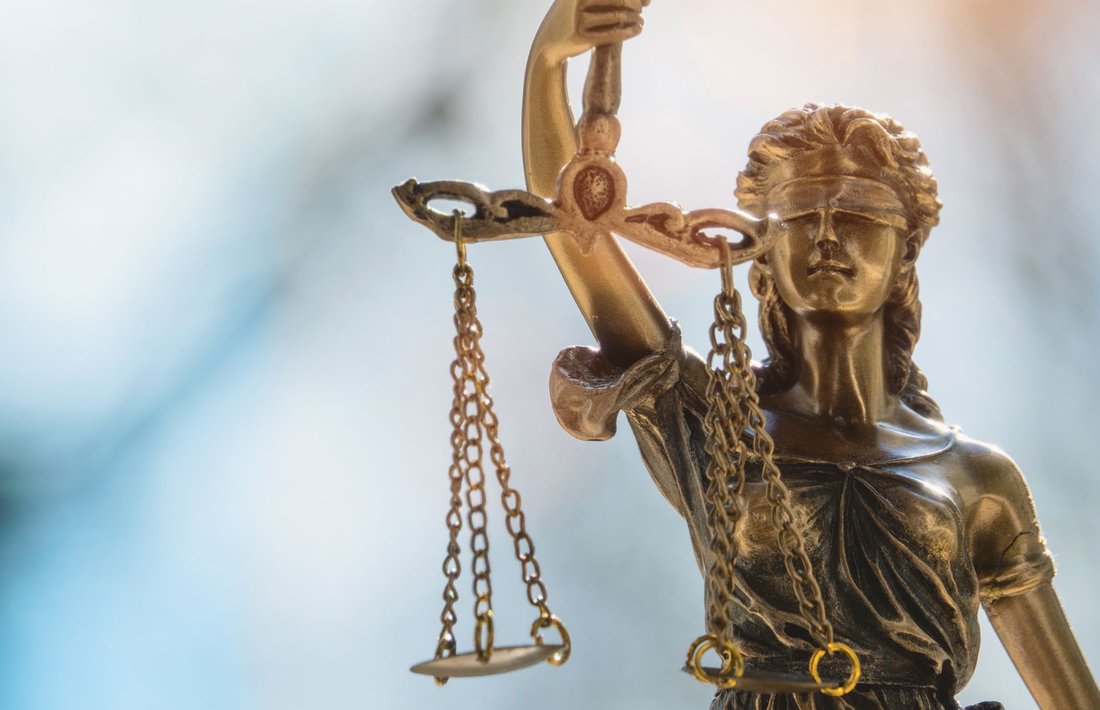
The sixth section of the Constitution says the Constitution is the supreme law of the land in the United States. This means that everyone living in the United States must follow the Constitution. In the United States, we support the “rule of law.” This means that we believe that no one is above the law, and everyone must follow the law. This also means that the U.S. government, state governments, and local governments must follow the Constitution and the rule of law.
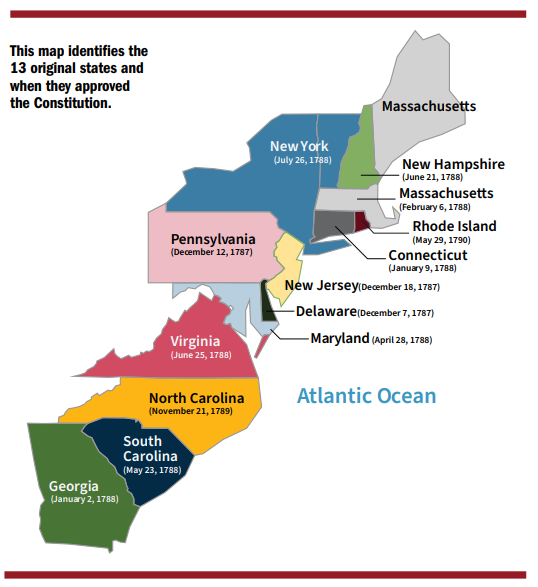
The seventh section of the Constitution says that the people of the United States had to approve the Constitution for it to become the law of the land. When the Founders wrote the Constitution, there were 13 states in the U.S. The Constitution says that nine of the 13 original states must approve the Constitution. In 1788, New Hampshire became the ninth state to approve the Constitution, and all 13 original states approved the Constitution by 1790.
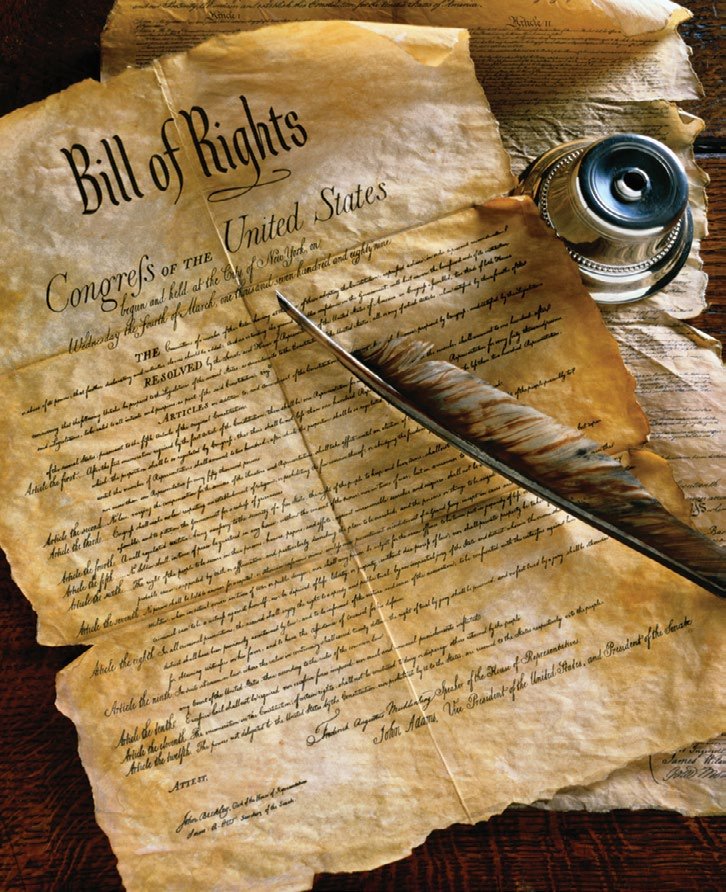
When the Constitution was written in 1787, it did not list any of the rights of individuals. Many of the Founders believed that the Constitution should include a list of the rights of people living in the United States.
The Founders decided to add 10 amendments to the Constitution. The first 10 amendments to the Constitution are called the Bill of Rights. The Bill of Rights lists some of the basic rights of people living in the United States.
There are 27 amendments to the Constitution. Some of the amendments that were added to the Constitution after the Bill of Rights describe who can be a U.S. citizen, and who can vote in elections in the United States.
What you'll learn in this chapter
The Legislative Branch is one branch or part of the government. Another name for the Legislative Branch is the U.S. Congress.
The Constitution says that Congress makes federal laws. When the Founders were writing the Constitution, they believed that the power to make laws is the most important power in government. This is why the first section of the Constitution describes Congress and the power to make federal laws.
During the Constitutional Convention, the Founders agreed that the people who make laws should represent the states or parts of states where they lived.
When the Constitutional Convention started, the Founders did not agree on how many representatives each state should have in Congress. Some people thought that the number of representatives from each state should be based on the number of people living in the state. Others thought that each state should have the same number of representa tives, no matter how many people lived in the state. They came to an agreement to have two parts to the U.S. Congress. The two parts to the U.S. Congress are the House of Representatives and the Senate.
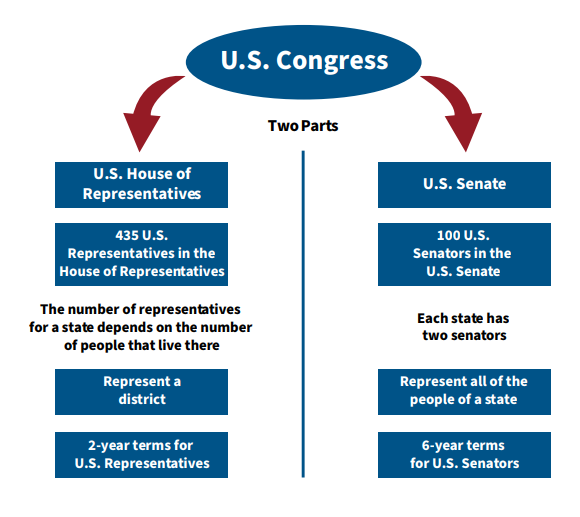
States that have more people have more representatives in the House of Representatives, and every state in the United States has two U.S. Senators.
There are 435 voting members in the House of Representatives.
Each state is divided into congressional districts. The 435 voting members of the House of Representatives come from congressional districts from each of the 50 states. Each congressional district elects a person to serve as a representative in the House of Representatives.
Some states have more representatives in the House of Representatives than others. This is because states that have more people have more representatives in the House of Representatives.
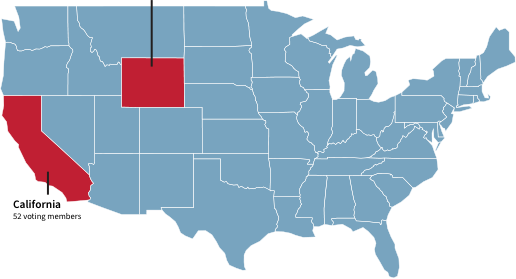
Example:
California:
Wyoming:
Members of the House of Representatives are elected every two years.
To get elected to the House of Representatives, a person must be at least 25 years of age and live in the state where the congressional district is located.
One right that is only for U.S. citizens is to run for federal office. This means that a person must be a U.S. citizen to get elected to the House of Representatives.
To find the name of your Representative for your congressional district please visit: house.gov.
The leader of the House of Representatives is called the Speaker of the House.
To find the name of the current Speaker of the House, please visit: speaker.gov.
There are 100 U.S. Senators in the Senate. Senators represent all the people of a state.
U.S. Senators are elected for six years. To get elected to the Senate, a person must be at least 30 years of age and they must live in the state that they represent.
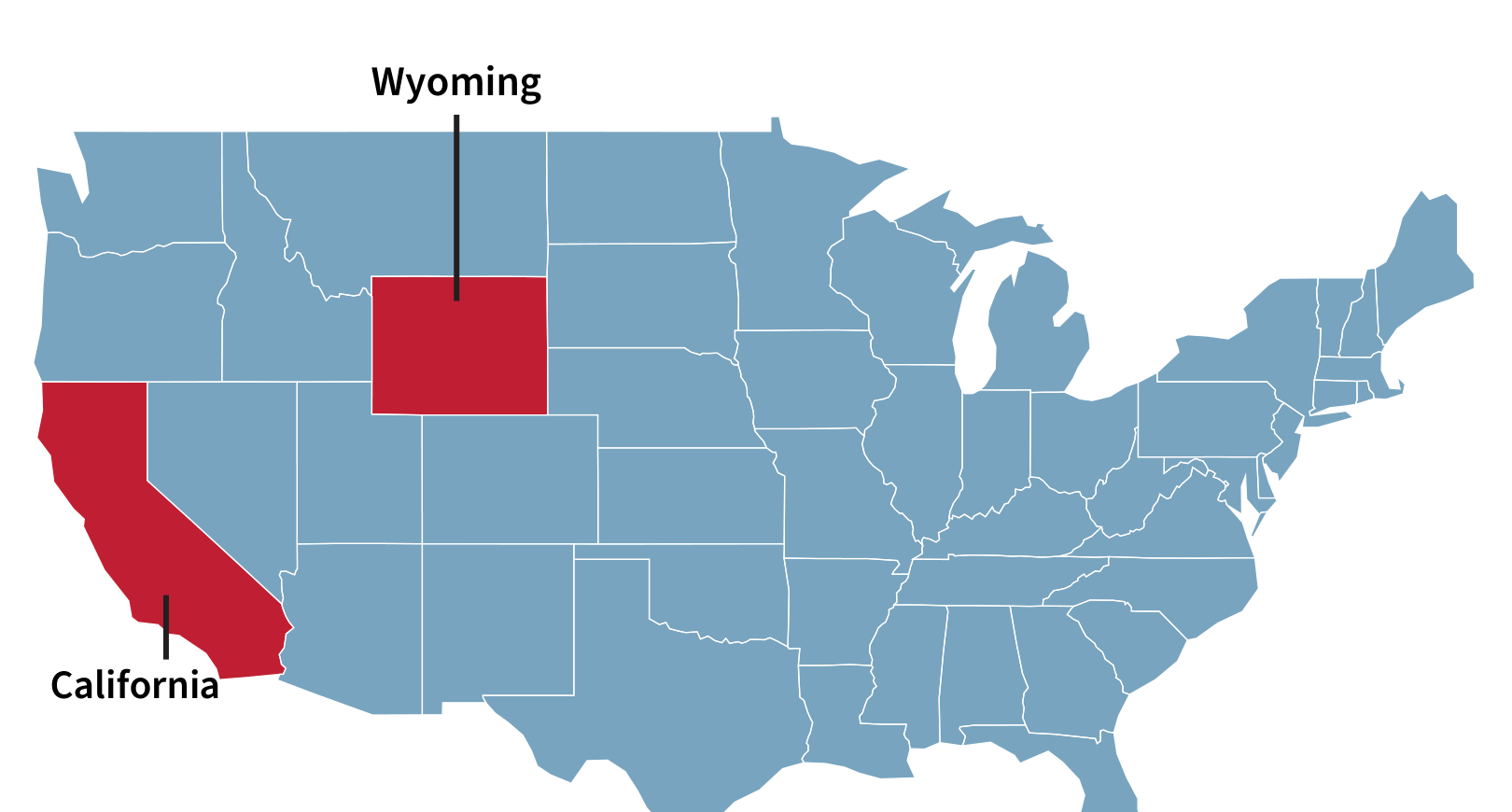
Each state has two U.S. Senators.
Example:
One right that is only for U.S. citizens is to run for federal office. This means that a person must be a U.S. citizen to get elected to the Senate.
To find the name of your U.S. Senators, please visit: senate.gov.
Washington, D.C., does not have any senators because it is not a U.S. state. Washington, D.C., residents should answer that D.C. does not have a senator.
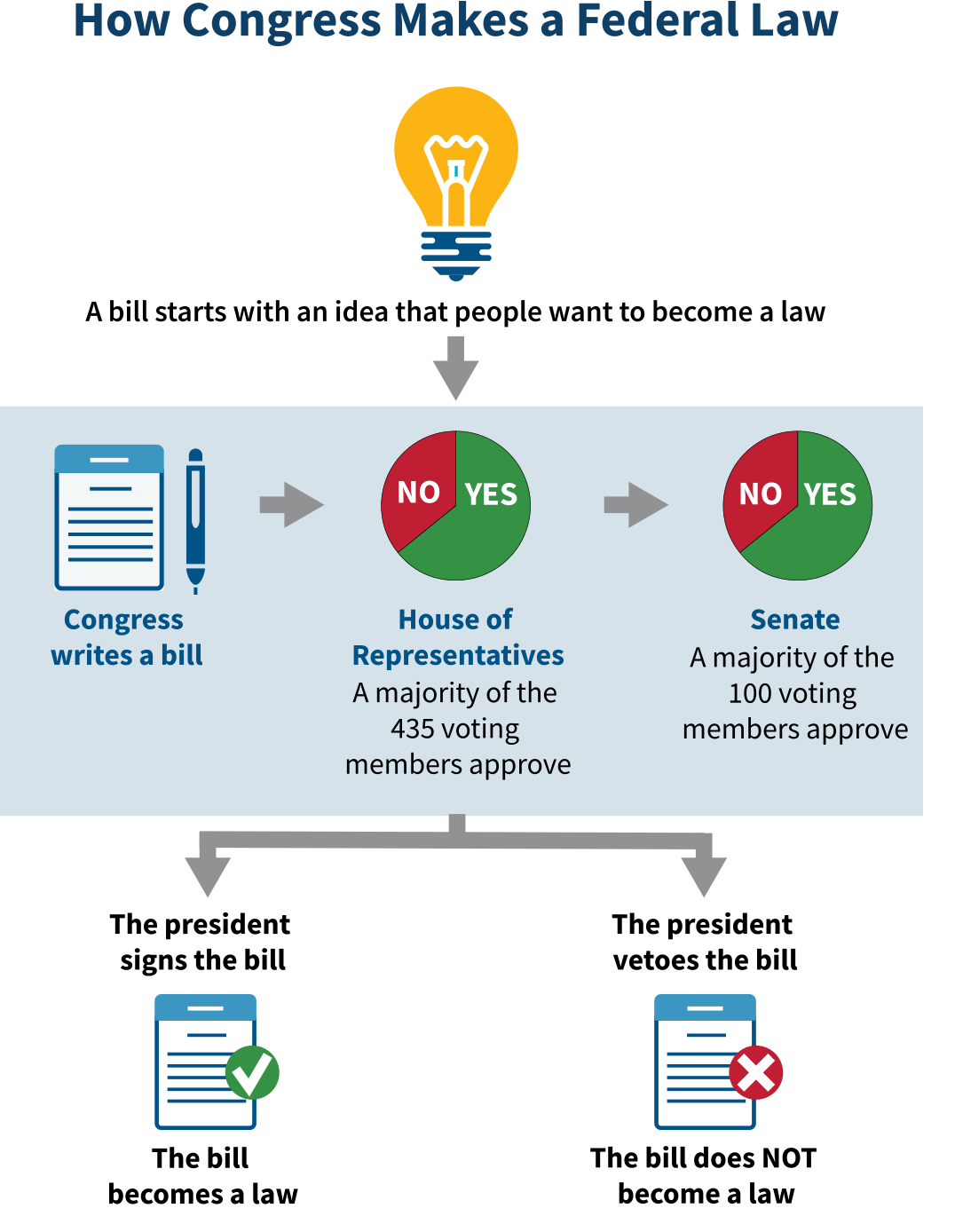
The Constitution says that Congress makes federal laws. A “law” is another word for a “rule” that people must follow. A “federal law” is another word for a “rule” that everyone in the United States must follow.
When members of Congress want to make a new law, they write a “bill.” A bill is a proposal for a new law. For Congress to pass a bill, a majority of both the House of Representatives and the Senate must vote for it. This means that more than half of the voting members in the House of Representatives and U.S. Senators must vote in support of the bill.
For example, there are 435 voting members in the House of Representatives. For a bill to pass the House of Representatives, 218 members (or the majority of those voting and present) must vote in favor of the bill.
There are 100 U.S. Senators in the Senate. For most bills to pass the Senate, 51 U.S. Senators (or the majority of those voting and present) must vote in favor of it.
If both parts of Congress pass the bill, then the bill is sent to the President of the United States.
If the President agrees with the bill, then the President signs the bill into law. This means that everyone in the country must follow the law that the President signed.
If the President does not agree with the bill, then the President vetoes the bill. The word “veto” means that the President did not sign the bill. Then the bill does not become a law unless Congress votes to override the veto.
What you'll learn in this chapter
The Executive Branch is one branch or part of the U.S. government. The President of the United States is in charge of the Executive Branch.
The other parts of the Executive Branch are the President’s Cabinet, the Vice President of the United States, and the Executive Departments and agencies in the federal government.
During the Constitutional Convention, the Founders were afraid that if the President had too much power, then the President would be above the law and could become a king or queen. The Founders believed that in the United States no one is above the law. This is called the “rule of law”. The Founders believed that the President should have the power to protect and serve the people of the United States. They also believed that the President should follow the rule of law.
The Executive Branch includes the Executive Departments and agencies that are part of the federal government. The Executive Departments and agencies help the President to enforce laws, protect the country, work with other countries, and provide services to the people of the United States. The people who lead the Executive Departments are mostly called Secretaries. For example, the person who leads the Department of Homeland Security is called the Secretary of Homeland Security.
The leaders of the Executive Departments are also called Cabinet-level positions because the people who lead each agency are part of the President’s Cabinet. A “cabinet” is another word for a “group of advisors.” The President’s Cabinet advises the President. The President can also choose to have other people from the federal government serve on the Cabinet.
The Cabinet-level positions include:
Each Executive Department has many smaller agencies. For example, the Federal Bureau of Investigation (FBI) is part of the Department of Justice. Another example is U.S. Citizenship and Immigration Services (USCIS). USCIS is part of the Department of Homeland Security.

The leader of the Department of Justice is not called a “Secretary.” The leader of the Department of Justice is called the Attorney General.
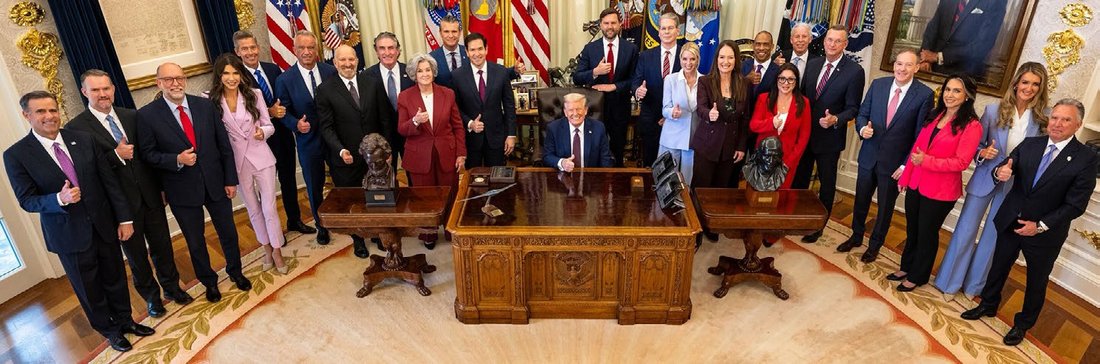
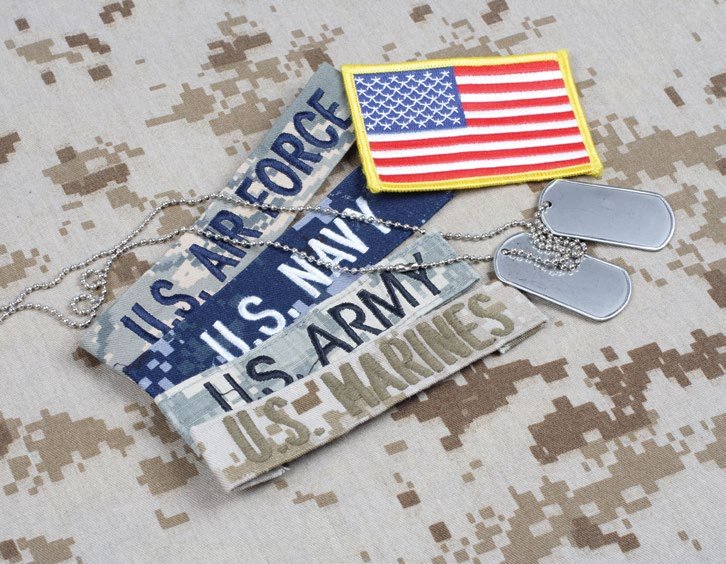
The President of the United States is the Commander in Chief of the military. This means that the President is in charge of everyone serving in U.S. military. Another term for the U.S. military is the U.S. Armed Forces. In the United States, serving in the U.S. Armed Forces is voluntary. Today there are over 2 million people serving in the U.S. Armed Forces. For more information about the U.S. Armed Forces, please visit: U.S. Department of Defense at www.defense.gov.
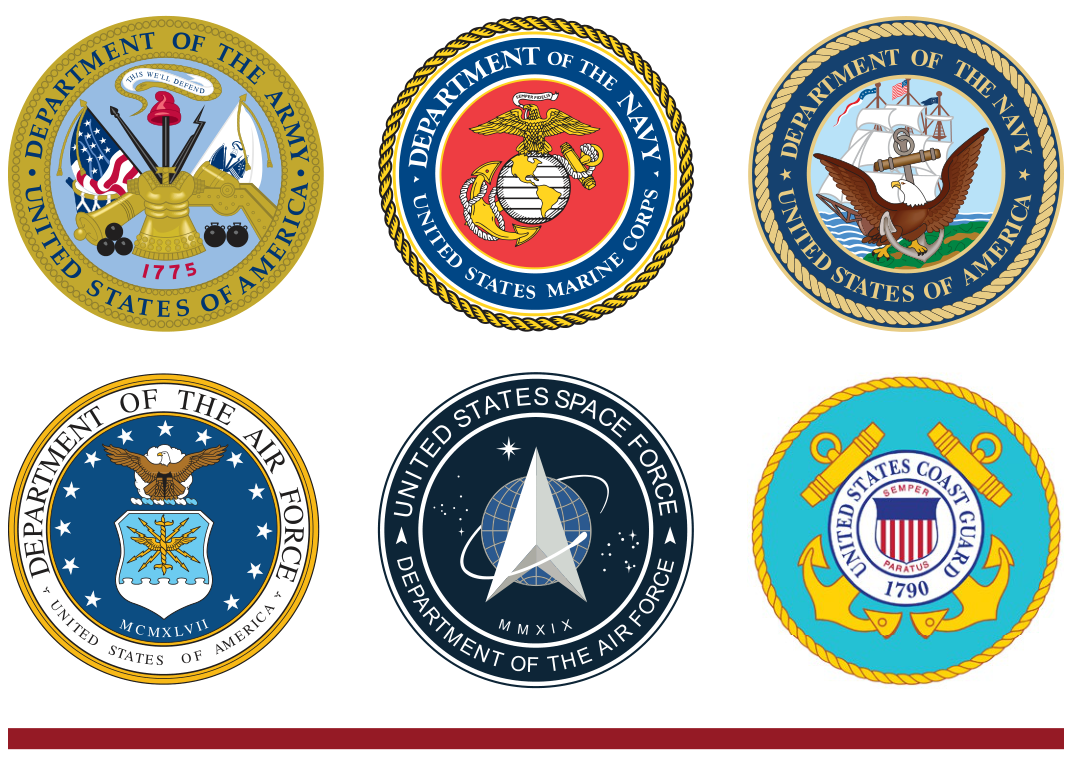
There are six branches of the U.S. Armed Forces:
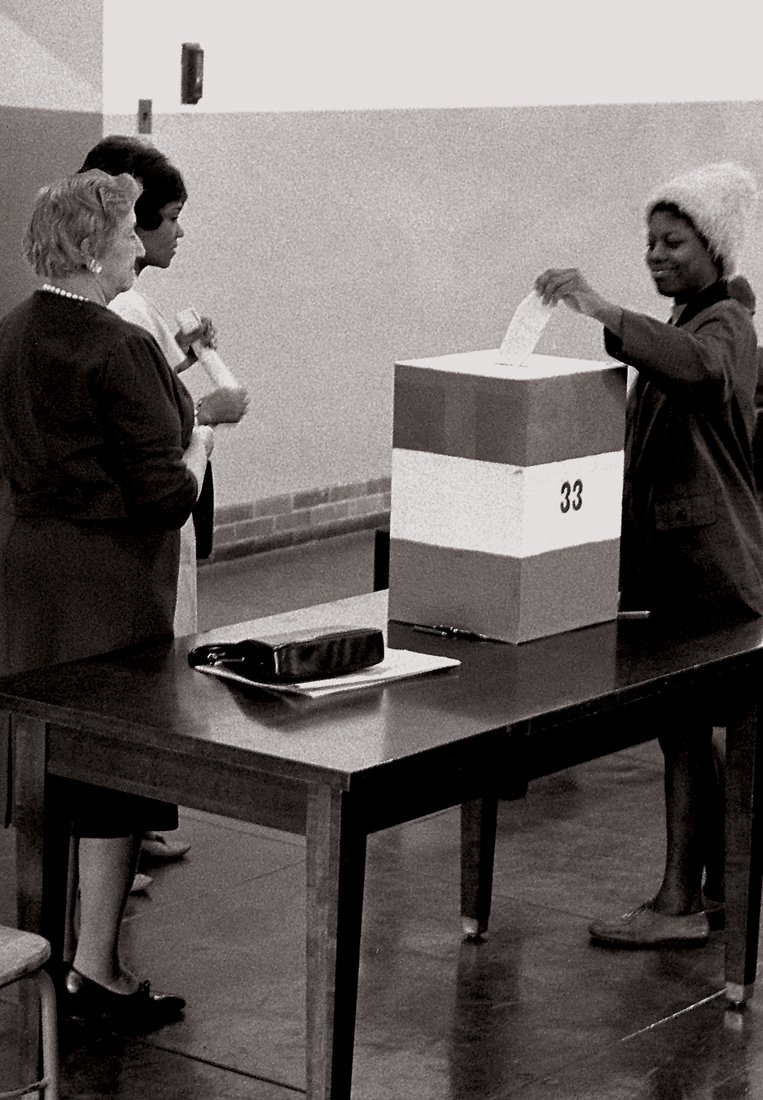
U.S. citizens vote for President in November, and the President is elected for four years. A person can only be elected to be President two times. This means a person can get elected for four years, and then get reelected for four more years.
When a person runs for President of the United States they are nominated by a political party. Today, there are two major political parties in the United States. One party is called the Democratic Party, and the other party is called the Republican Party.
To find the name of the President of the United States now, please visit: whitehouse.gov.
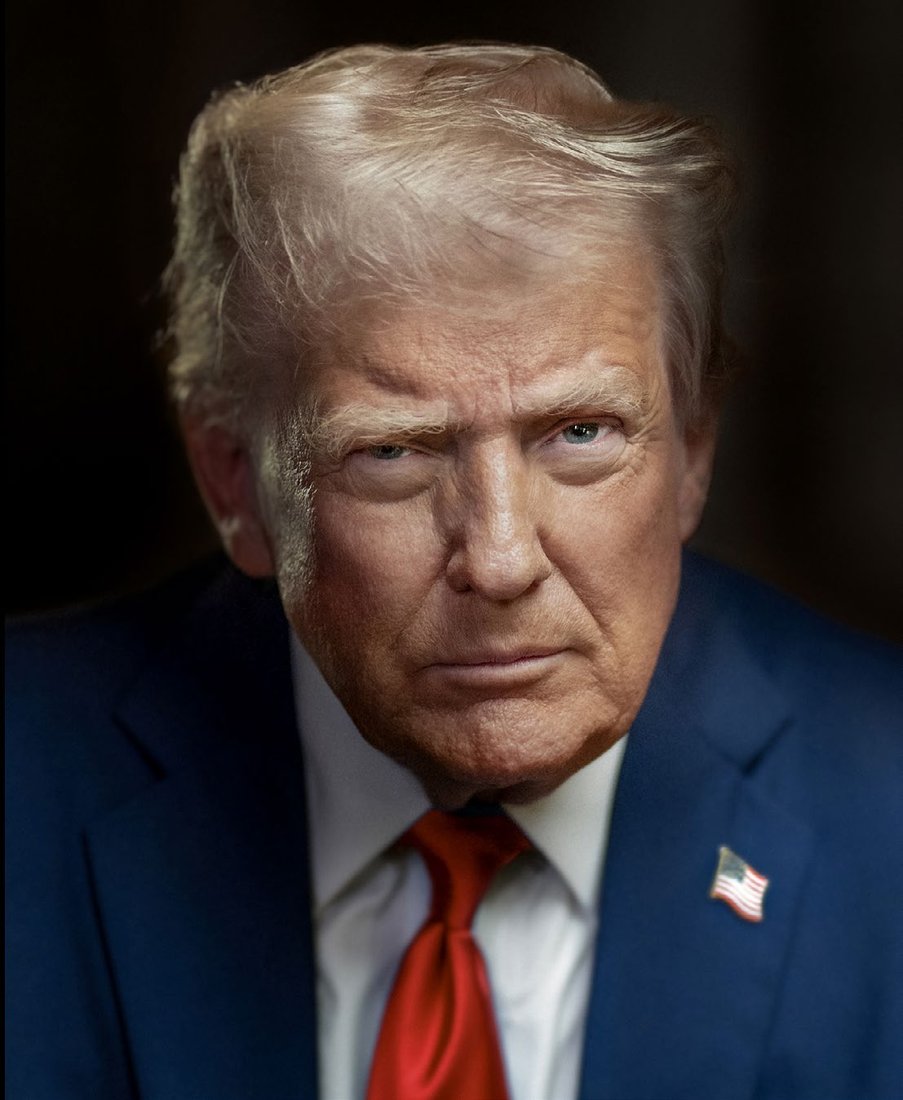
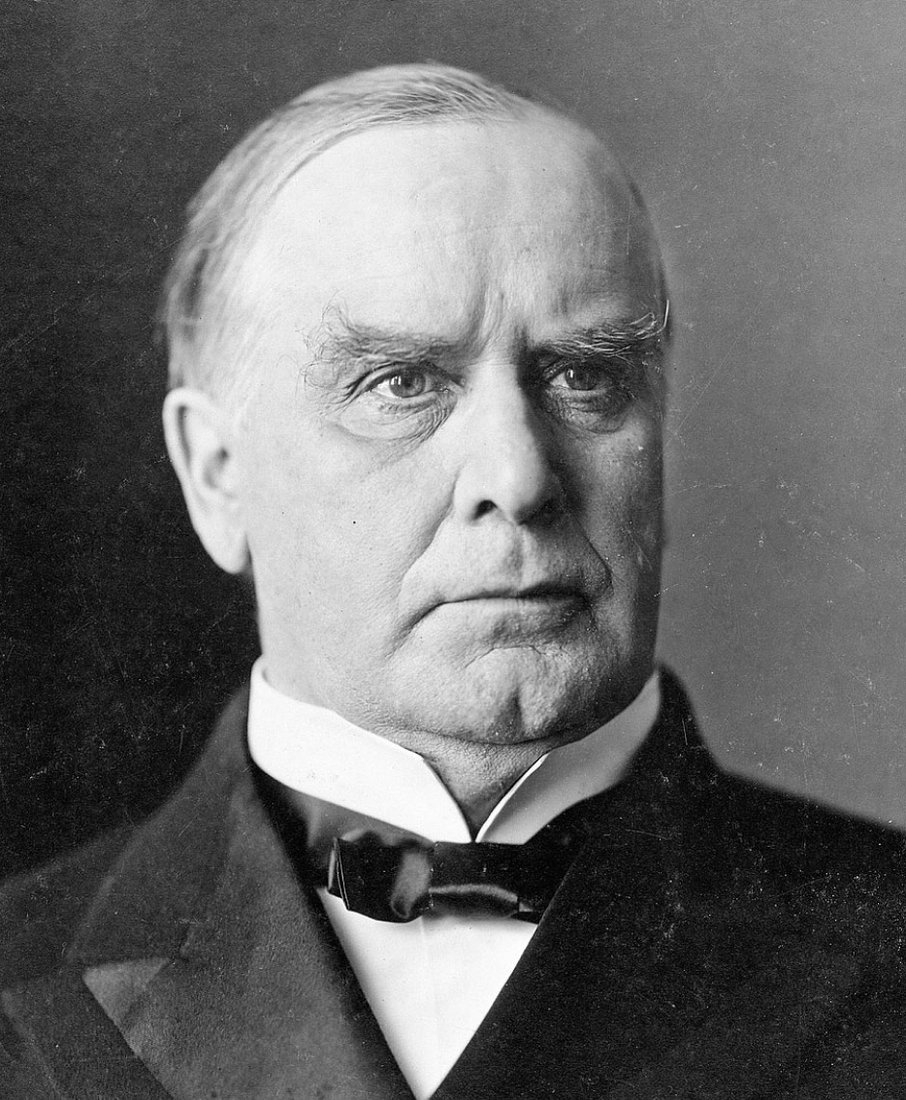
The Vice President of the United States works for the President in the Executive Branch. The Vice President is the President of the Senate, an advisor to the President, and a member of the President’s Cabinet.
Under the Constitution, the role of the Vice President is very important. The Constitution says that if the President can no longer serve, then the Vice President becomes President. There have been some Presidents who have not served all four years of their term. For example, there are Presidents who died while serving in office. When this has happened, the Vice President becomes the President.
To find the name of the Vice President of the United States now, please visit: whitehouse.gov.
If both the President and the Vice President can no longer serve, then the Speaker of the House of Representatives becomes President.
To find the name of the current Speaker of the House, please visit: speaker.gov.

What you'll learn in this chapter
The Judicial Branch is one branch or part of the government.
The parts of the Judicial Branch are the Supreme Court and other federal courts. The Supreme Court is the highest court in the United States. This means that the Supreme Court’s decision about a law or legal case is final. The other federal courts are sometimes called lower federal courts.
When the Founders wrote the Constitution, they did not want the judges who serve on the Supreme Court and on other federal courts to make decisions about the law based on politics or elections. Judges who serve on the Supreme Court and other federal courts are sometimes called federal judges. The Founders wanted federal judges to make decisions based on the Constitution and the rule of law. This is why federal judges are not elected to office. The President nominates someone to become a federal judge on the Supreme Court or on a lower federal court. That person must also be approved by the U.S. Senate to become a federal judge.
The process for a person to become a federal judge is an example of the separation of powers of government because all three branches of government are involved. The separation of powers is important because it stops one branch of government from becoming too powerful.
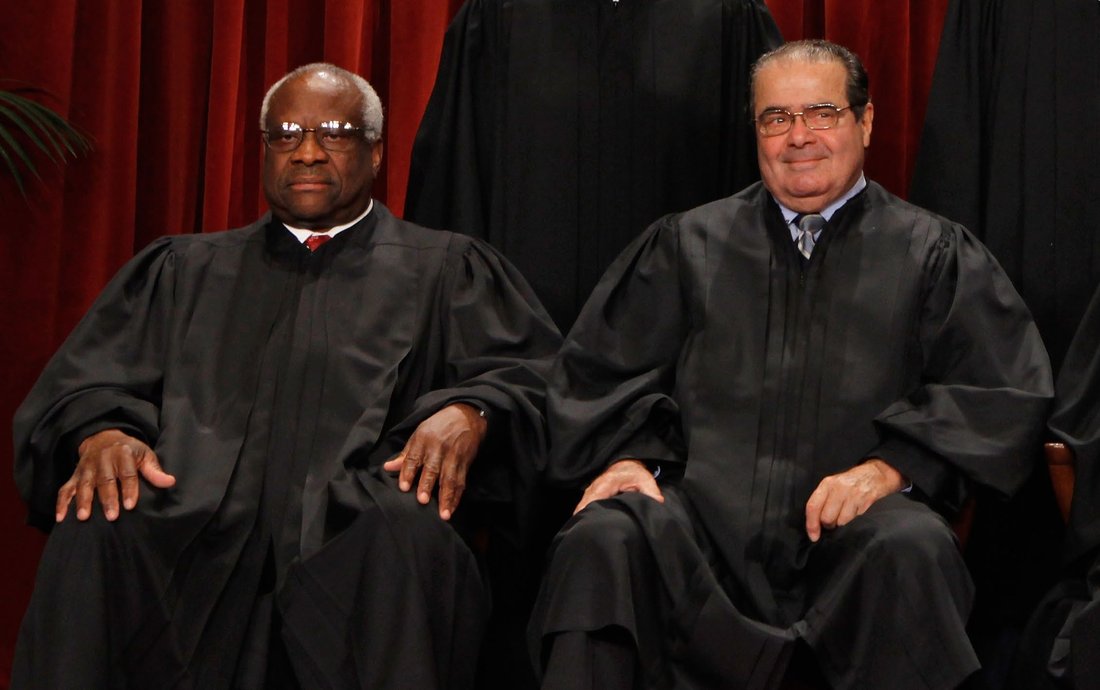
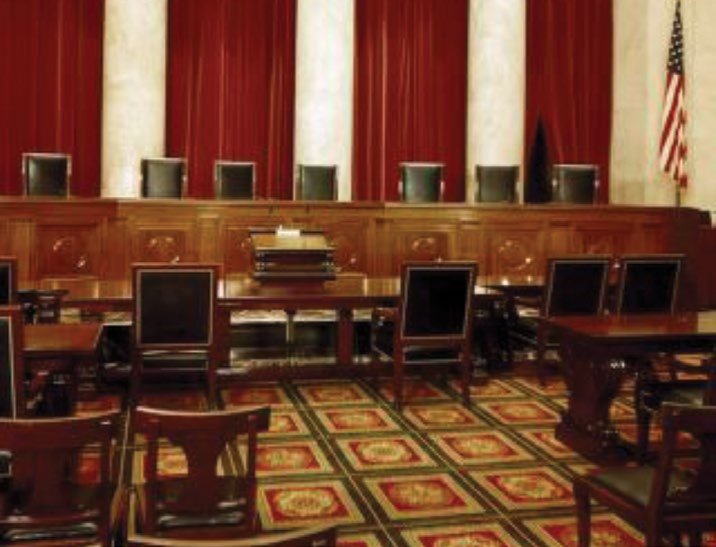
One of the important roles of the Judicial Branch is to review laws. This means that they can decide if a law follows the Constitution. In the United States, the Constitution is the Supreme Law of the Land. This means that everyone in the United States must follow the Constitution. This also means that the laws that Congress writes must also follow the Constitution. If someone in the United States thinks that a law does not follow the Constitution, that person can bring a legal case to a federal court to challenge the law.
Each of the courts in the Judicial Branch can only review a law if there is a legal case before it. This means that the Supreme Court and the lower federal courts can only make a decision about a law or a legal case when they have the legal authority to hear a case that is brought before the court.
The Supreme Court may review a decision about a law or legal case from a lower federal court. If the Supreme Court reviews a decision about a law or legal case, then they must make a decision. There are no other courts in the United States that can change the decision of the Supreme Court. This is one reason that the Supreme Court is the highest court in the United States.
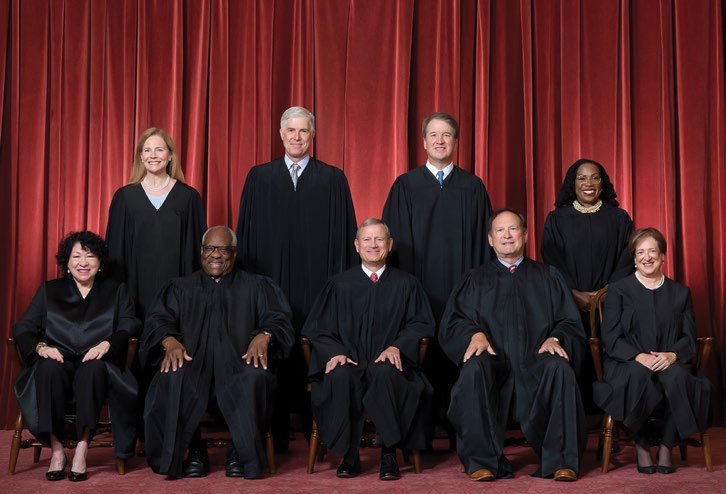
There are nine justices on the Supreme Court. The word “justice” is another word for “judge.” After the Supreme Court reviews a case, the justices meet to discuss the case and vote on the decision.
One justice on the Supreme Court is called the Chief Justice of the United States. The Chief Justice has many duties. Some of the duties are:
A majority means that more than half of the justices vote the same way on a case. For example: When 9 Supreme Court Justices hear a case, at least 5 justices must vote the same on the case in order to have a majority.
The Chief Justice serves as a leader on the Supreme Court, but the justices make their own decisions when voting on each case. When a majority of the justices vote the same way on a case, they write a decision that explains their reasons.
To find the name of the current Chief Justice of the United States, please visit: supremecourt.gov/about/justices.aspx.

What you'll learn in this chapter
Under our Constitution, individuals living in the United States have rights or freedoms. The word “freedom” is another word that means “right.” Some rights belong to everyone living in the United States, and some rights only belong to U.S. citizens.
After the Constitutional Convention, the people of the United States had to approve the Constitution. Many people in the country did not like the Constitution in 1787 because it did not include a list of rights. Some of the Founders who were at the Constitutional Convention began to write essays called the Federalist Papers. The Federalist Papers supported the passage of the U.S. Constitution. The writers of the Federalist Papers were James Madison, Alexander Hamilton, and John Jay. The Federalist Papers included 85 essays about the
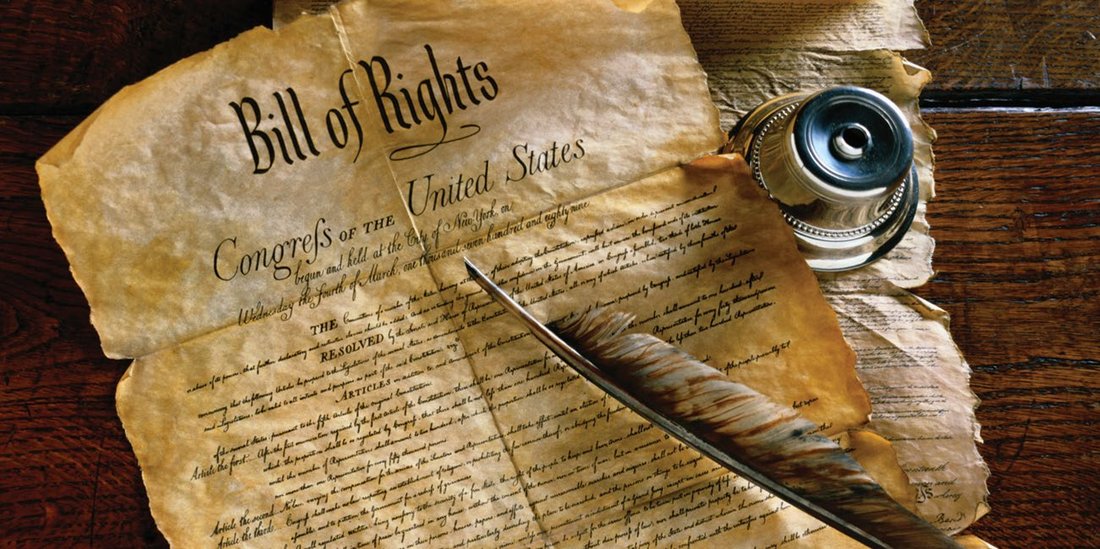
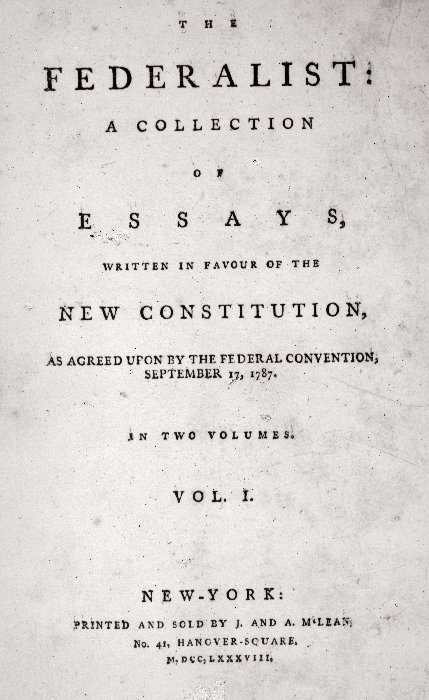
Constitution, and they were printed in newspapers between October 1787 – May 1788. All of the writers of the Federalist Papers signed the essays with the name “Publius”. The people who supported the Constitution agreed to add amendments to the Constitution that included a list of rights. An amendment is a change to the Constitution. Once the supporters of the Constitution agreed to add a list of rights, many more people in the United States decided to support the Constitution. In 1791, the first 10 amendments were added to the Constitution. They include some of the basic rights of U.S. citizens and individuals living in the United States. The first 10 amendments to the Constitution are called the Bill of Rights.
There are five rights or freedoms in the First Amendment.
These are rights of everyone living in the United States.
One right or freedom in the First Amendment is the Freedom of Speech. People in the U.S. have the right to say or write what they want without fear of going to jail.
People can use their Freedom of Speech to participate in American democracy. For example, people can participate in American democracy by writing to a newspaper or publicly giving their opinion about an issue or policy.
Another right or freedom in the First Amendment is the Freedom of Religion. People in the U.S. have the right to practice any religion, or not practice a religion.
The other amendments in the Bill of Rights list other types of rights. For example, the Sixth Amendment lists some of the rights for people who have been accused of breaking the law. The Sixth Amendment says that a person accused of breaking the law has the right to a trial with a jury to decide if that person is innocent or guilty.
Everyone living in the United States is responsible for following the “rule of law.” This means that everyone living in the United States must obey the law.
For example, it is the law that everyone living in the United States must pay income taxes. The law says that each year, people are required to send in a federal income tax form to the U.S. government. The last day that people can send in their federal income tax forms is April 15.
Another responsibility for men who are U.S. citizens or legal permanent residents is to register for the Selective Service. All men who are U.S. citizens or legal residents and between the age of 18 and 26 must register for the Selective Service.
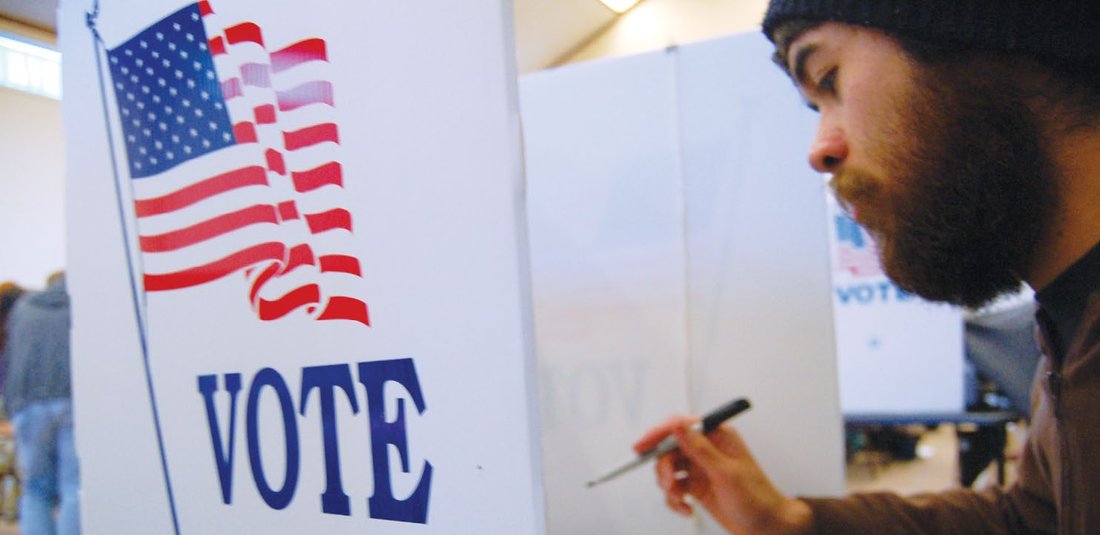
In the United States, voting in federal elections is a right and a responsibility that is only for U.S. citizens. Participating in federal elections is how U.S. citizens vote for U.S. Representatives, U.S. Senators, and the President.
There are four amendments to the Constitution about who can vote in federal elections. These amendments say:
Currently, U.S. citizens 18 and older can vote in federal elections.
The following bullets identify the Amendments and dates that correspond with each answer choice from Q48 in the text:
Other potential dates that address the expansion of voting rights include:
The United States has welcomed immigrants from all over the world who have helped shape and define our country.
For more information on the eligibility requirements and process for becoming a naturalized U.S. citizen, please visit: uscis.gov/naturalization-eligibility.
When applicants for naturalization take the Oath of Allegiance, they make important promises of loyalty to the United States. The promises that applicants make when they become a United States citizen are to:
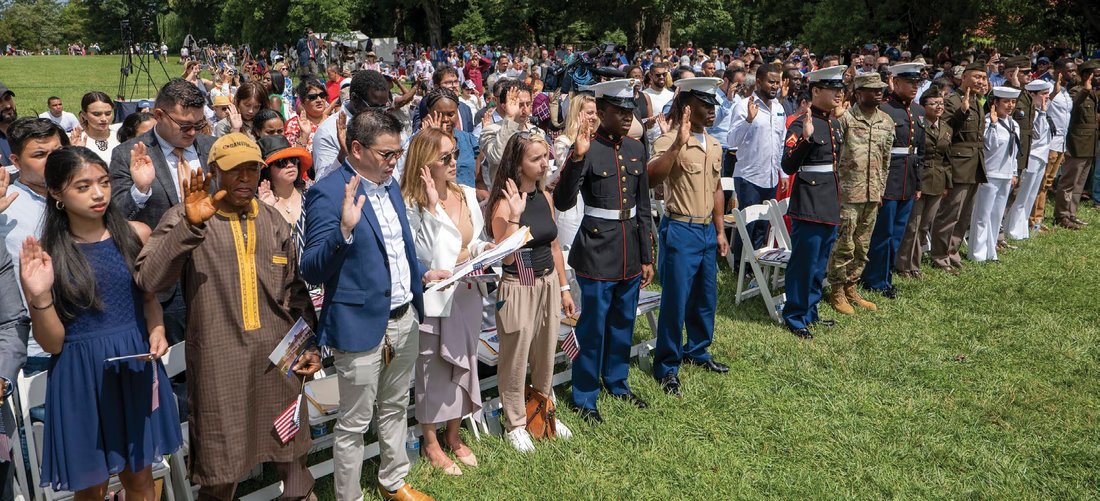
During the naturalization ceremony, applicants for naturalization will raise their right hand say the Oath of Allegiance. At that time, they become U.S. citizens. Naturalization is one way that a person can become a U.S. citizen. Other ways a person can become a U.S. citizen include:
To become a naturalized U.S. citizen, a person must:
What you'll learn in this chapter
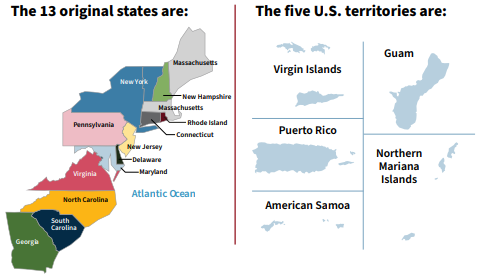
When the U.S. first became a country in 1776 there were 13 original states. All of the 13 original states are located on the East Coast of the United States.
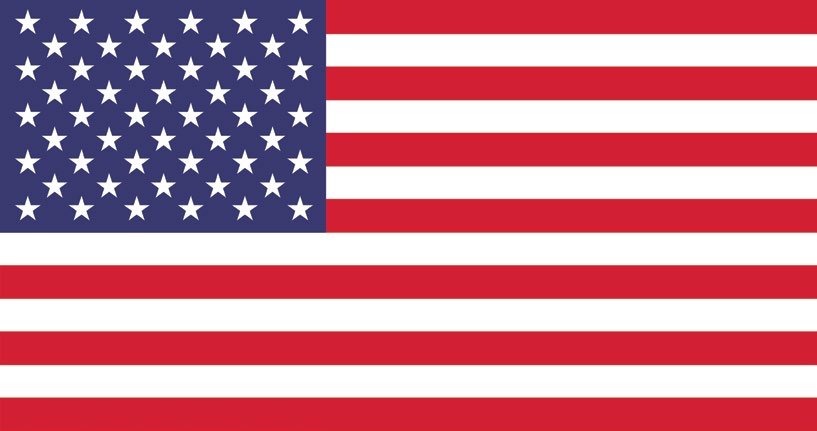
Today, the U.S. has 50 states. This is why the American flag has 50 stars. There is one star for each state.
On August 21, 1959, Hawaii became the 50th state to join the United States.
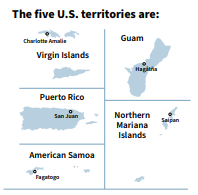
The U.S. also has five territories. A U.S. territory is an area that is part of the United States, but a territory is not a state.
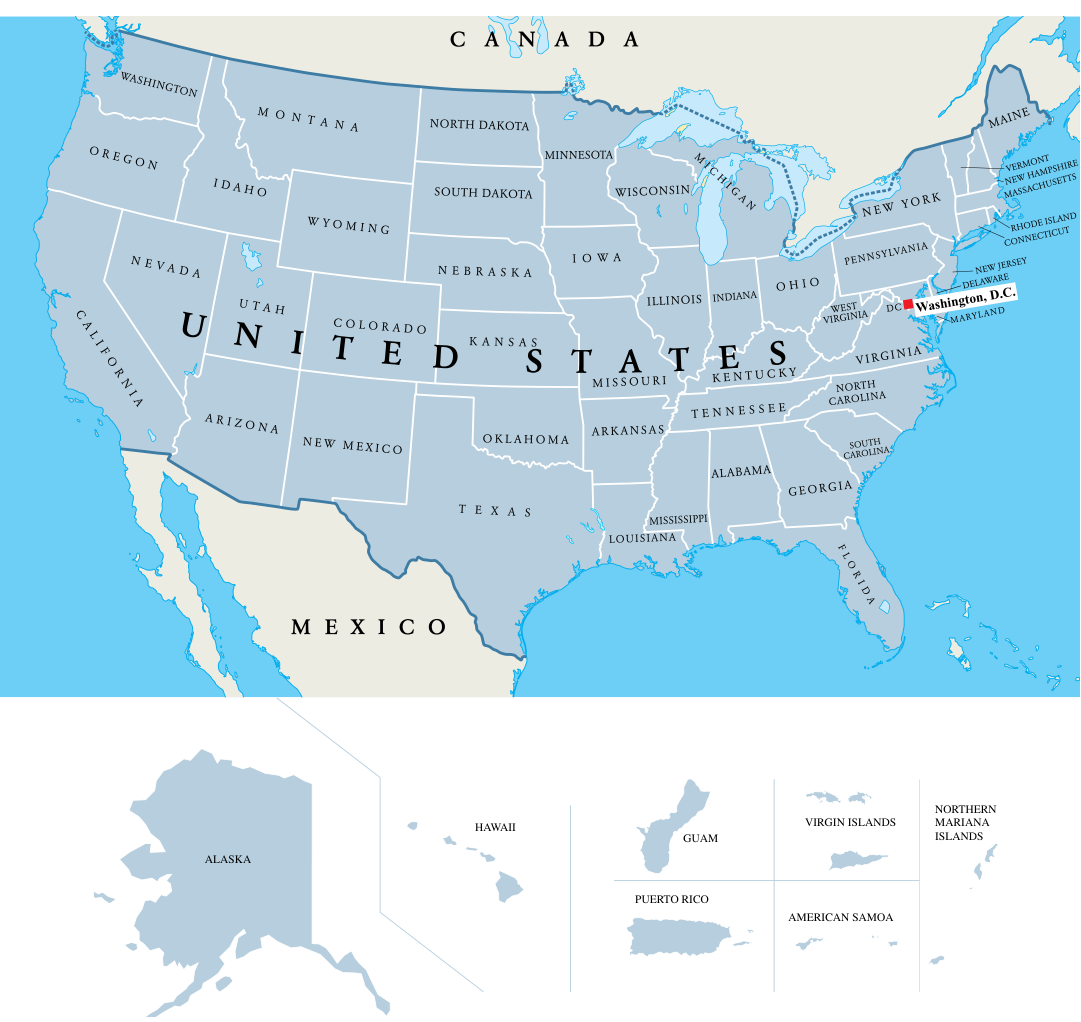
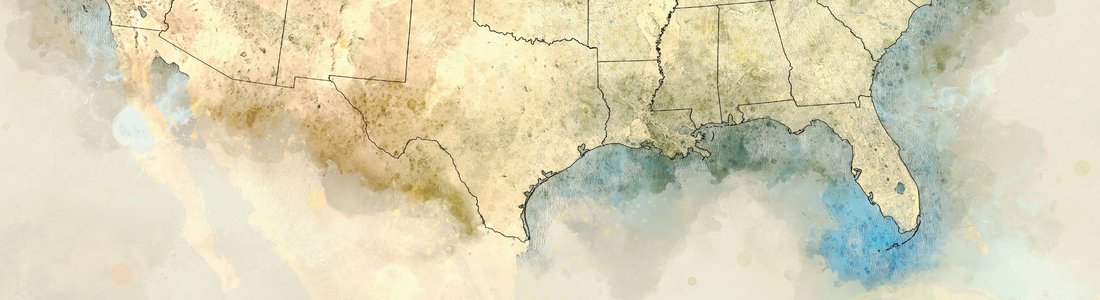
The United States is located in North America, and it is bordered by an ocean on the East Coast and the West Coast.
The U.S. is also bordered by one country to the north and another country to the south. The country that borders the U.S. to the north is called Canada. There are 13 states in the U.S. that border Canada.
The ocean on the West Coast of the United States is called the Pacific Ocean.
The ocean on the East Coast of the United States is called the Atlantic Ocean.
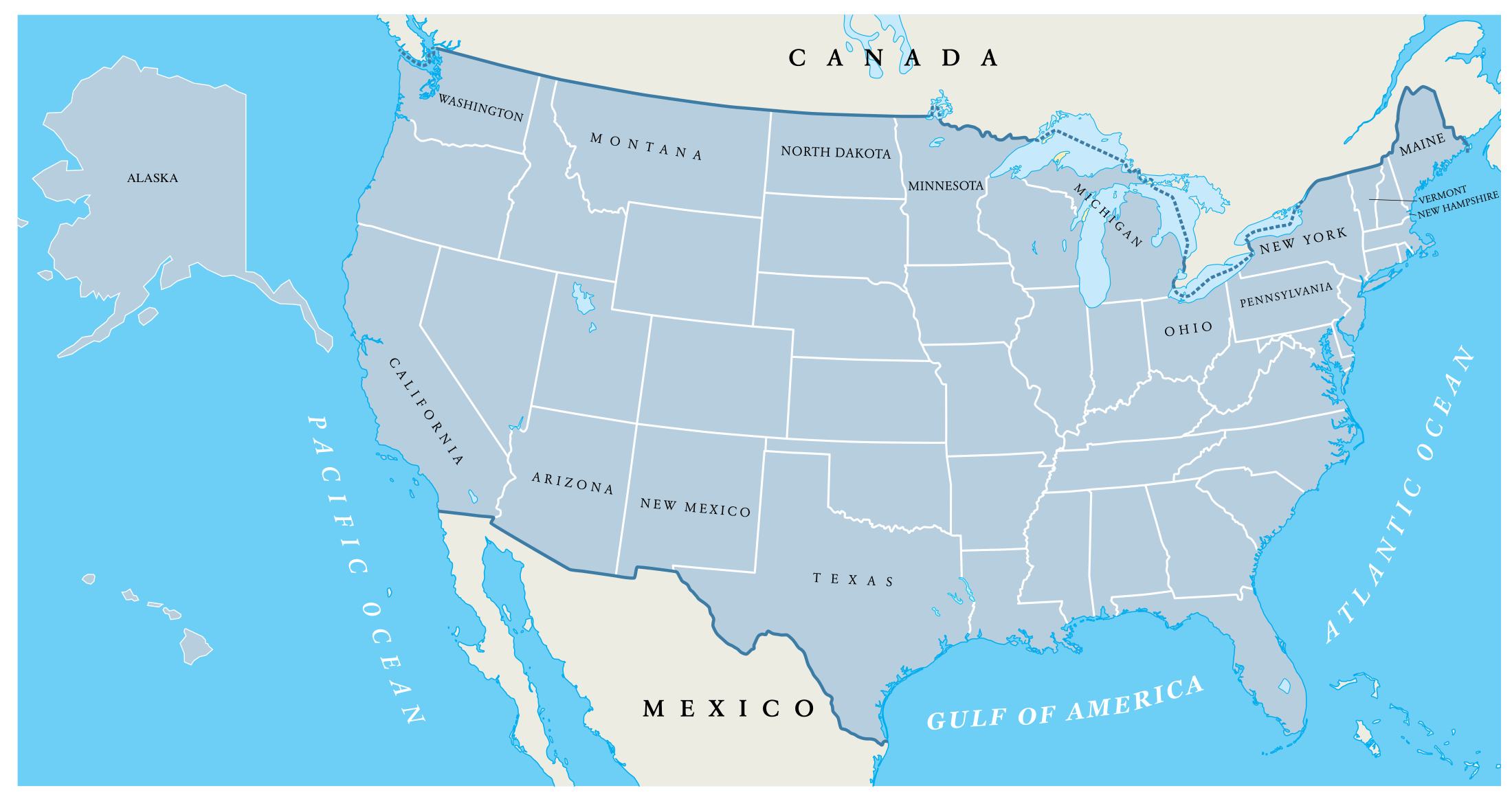
The states that border Canada are:
The country that borders the U.S. to the south is called Mexico. There are four states in the U.S. that border Mexico.
The states that border Mexico are:
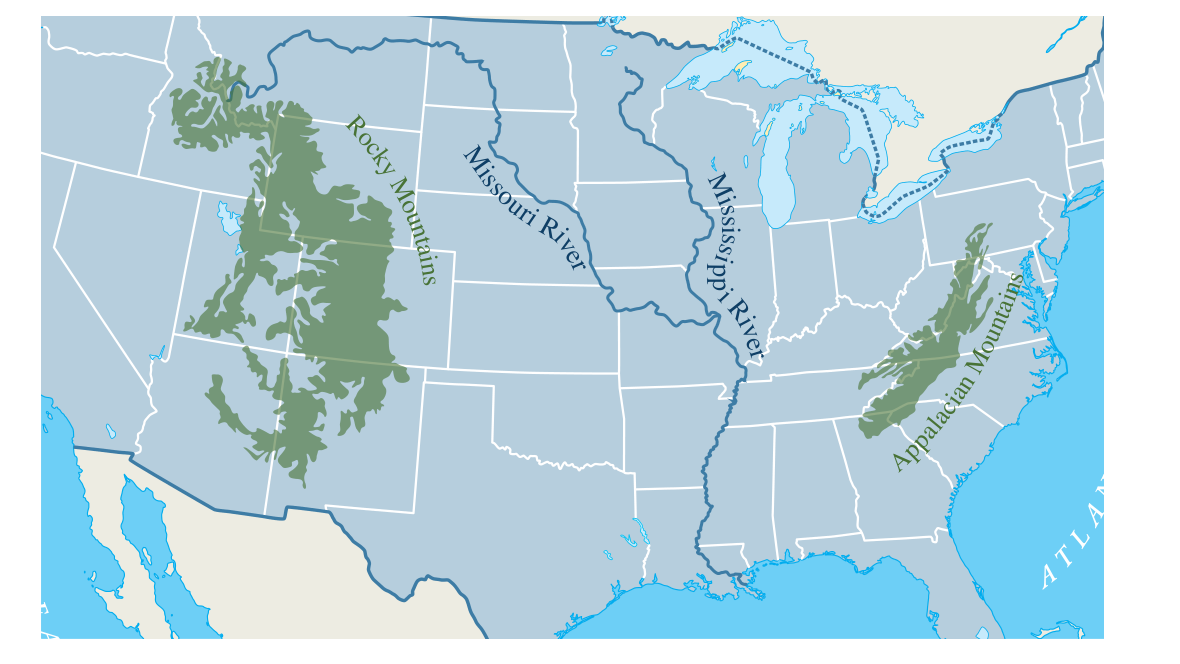
There are two large mountain ranges in the United States. The Appalachian Mountains are in the eastern United States, and the Rocky Mountains are in the western United States.
There are also many rivers in the United States. The two longest rivers in the U.S. are the Mississippi River and the Missouri River. The Mississippi River runs north to south, and it is located in the middle of the country. The Missouri River connects to the Mississippi River, and it runs across several states in the West.
The capital of the United States is called Washington, D.C.
Washington, D.C., is named after George Washington. George Washington was the first President of the United States. He is also known as the “Father of Our Country”.
The name of the capital has the letters “D.C.” These letters mean “District of Columbia.” Washington, D.C., is not part of a state. Washington, D.C., is located between the states of Maryland and Virginia, and it is controlled by the federal government.
Each state in the United States also has a state capital. Use the map below to find the capital of your state.
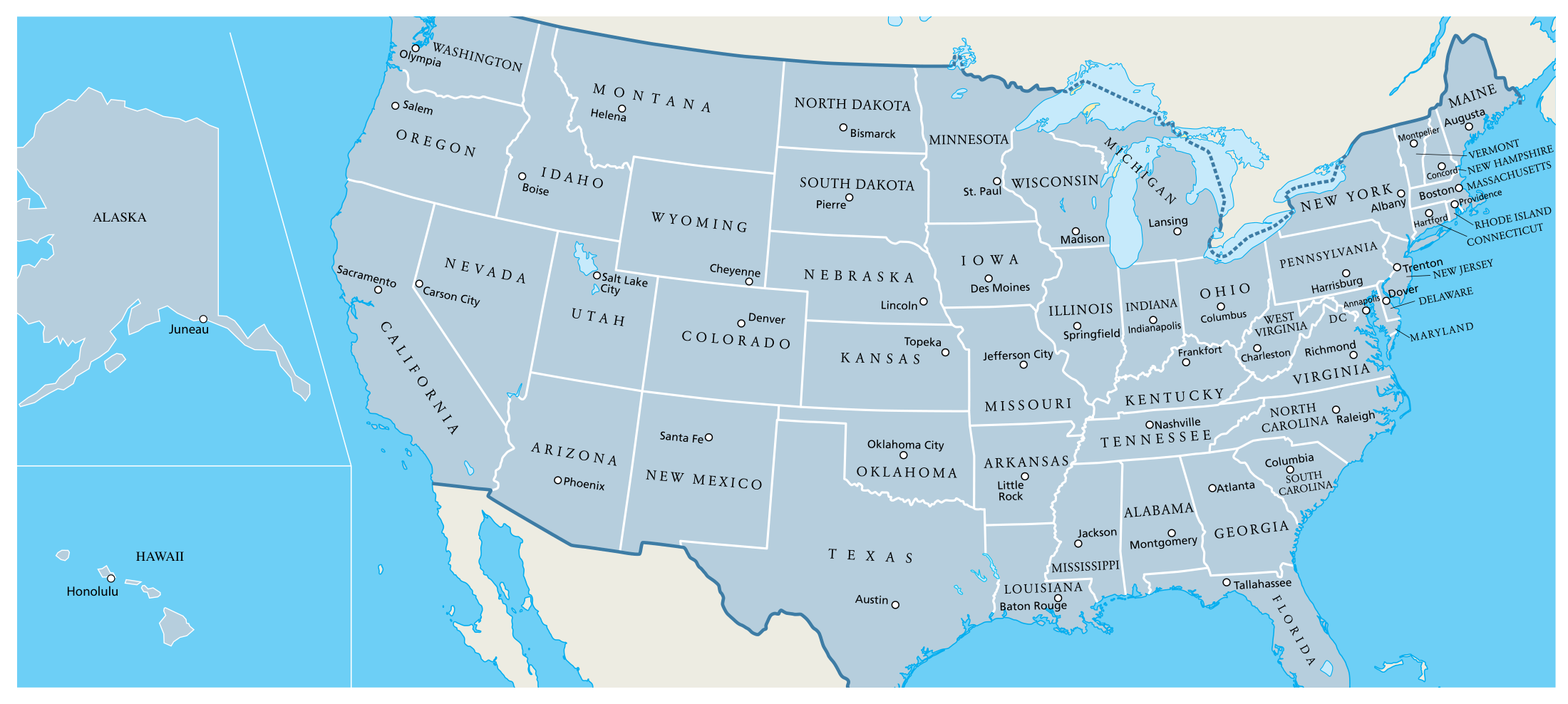
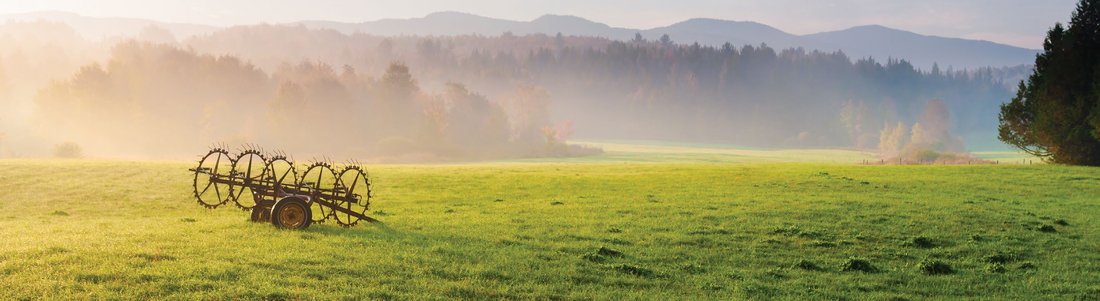
What you'll learn in this chapter
In the 1400s, some European countries developed ships that could sail across the ocean. Spain was the first country to send ships across the Atlantic Ocean.
They did not know that the continents of North America and South America were between Europe and Asia. North and South America are sometimes called the Americas.
The Europeans also did not know that there were millions of people living in North and South America. The people living in the Americas before the Europeans arrived are called Native Americans.
By the 1500s, Spain had created colonies across North America and South America. Soon, other European countries like France, Portugal, and England started creating their own colonies in the Americas.
Native Americans lived in North and South America for around 20,000 years before the Europeans arrived.
There were many different tribes of Native American people living in the Americas. Each Native American tribe had their own culture, religion, traditions, language, and form of government. Many tribes moved around and relied on hunting and gathering for food. There were also tribes that stayed in one place and relied on farming for food. Some tribes lived in large cities and had complex forms of government and written languages.
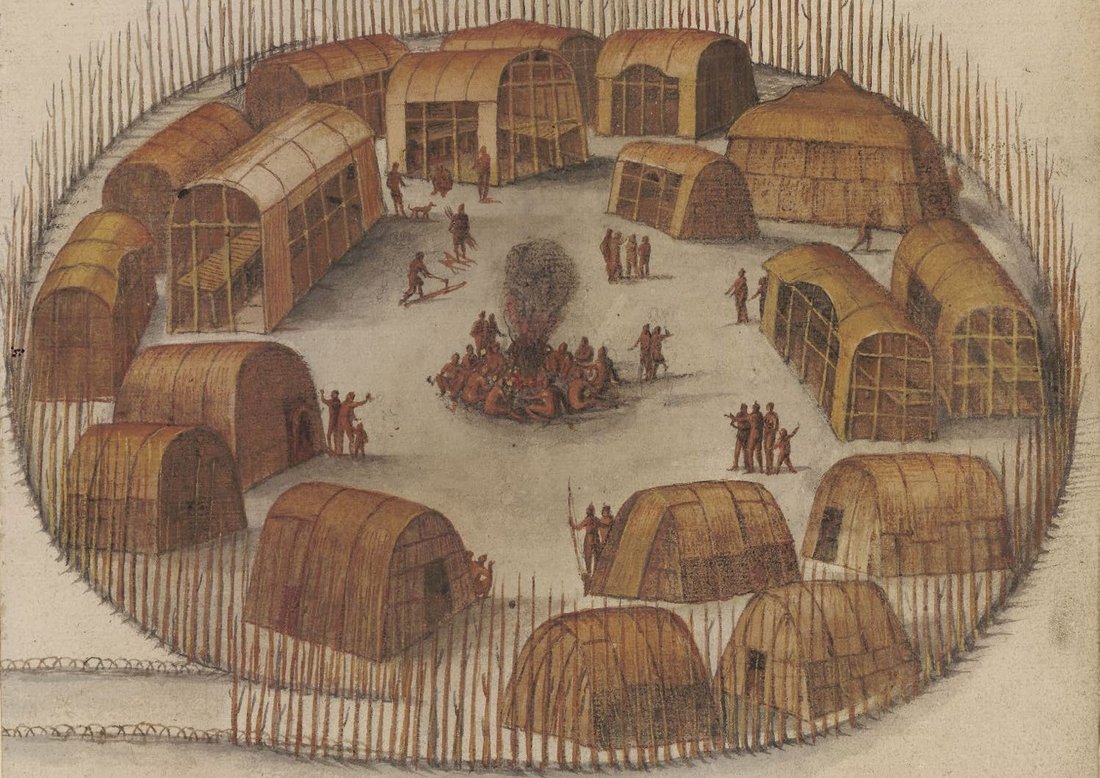
Before the Europeans arrived, there were more than 50 million Native Americans living in North and South America. More than 10 million Native Americans lived on the land in North America that became the United States. After Europeans arrived in North and South America, millions of Native Americans died from diseases brought by Europeans. Many Native Americans also died from wars and conflicts with Europeans.
By the 1600s, there were about 6 million Native Americans living in the Americas, and about 1 million Native Americans still living in North America.
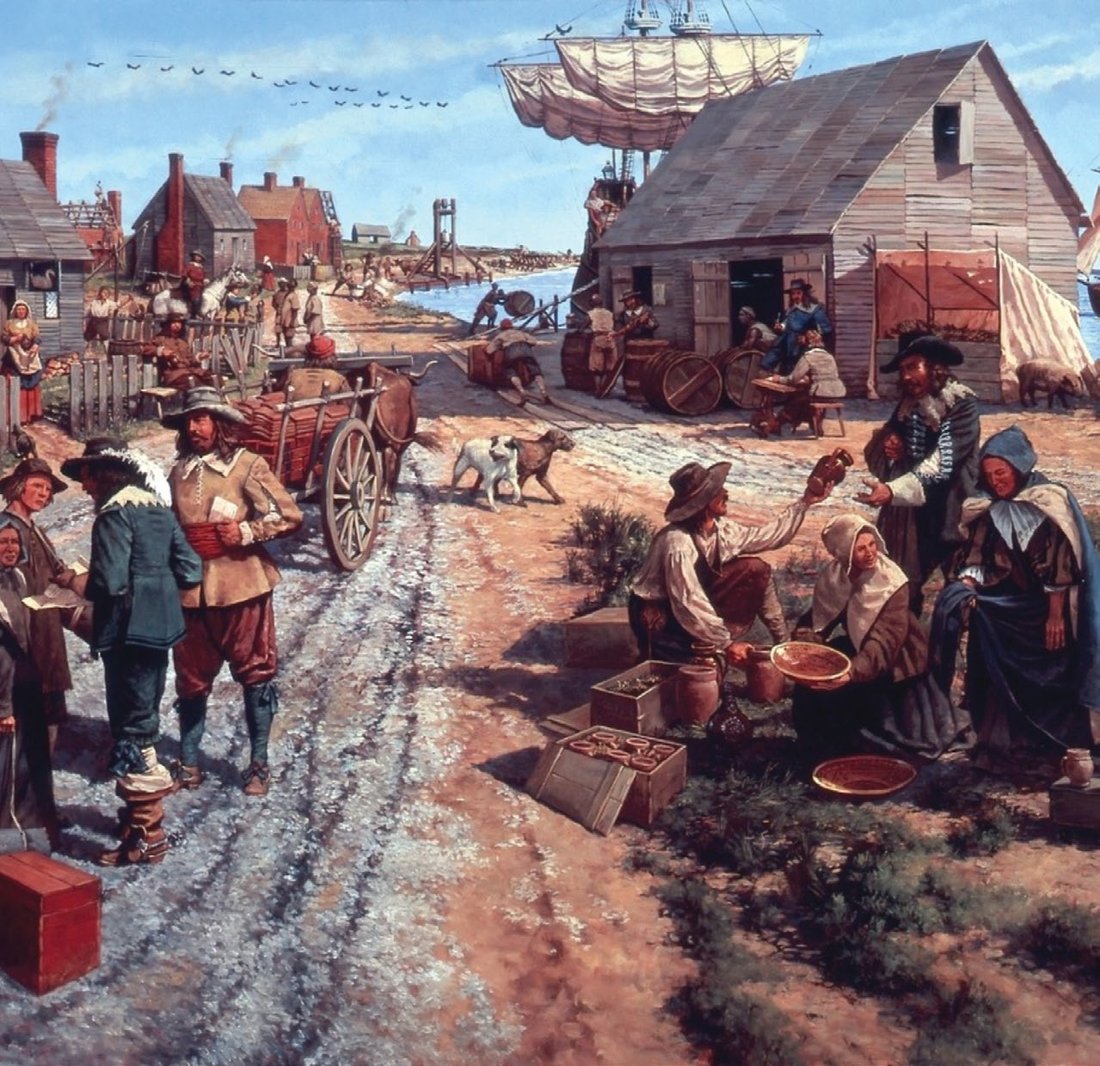
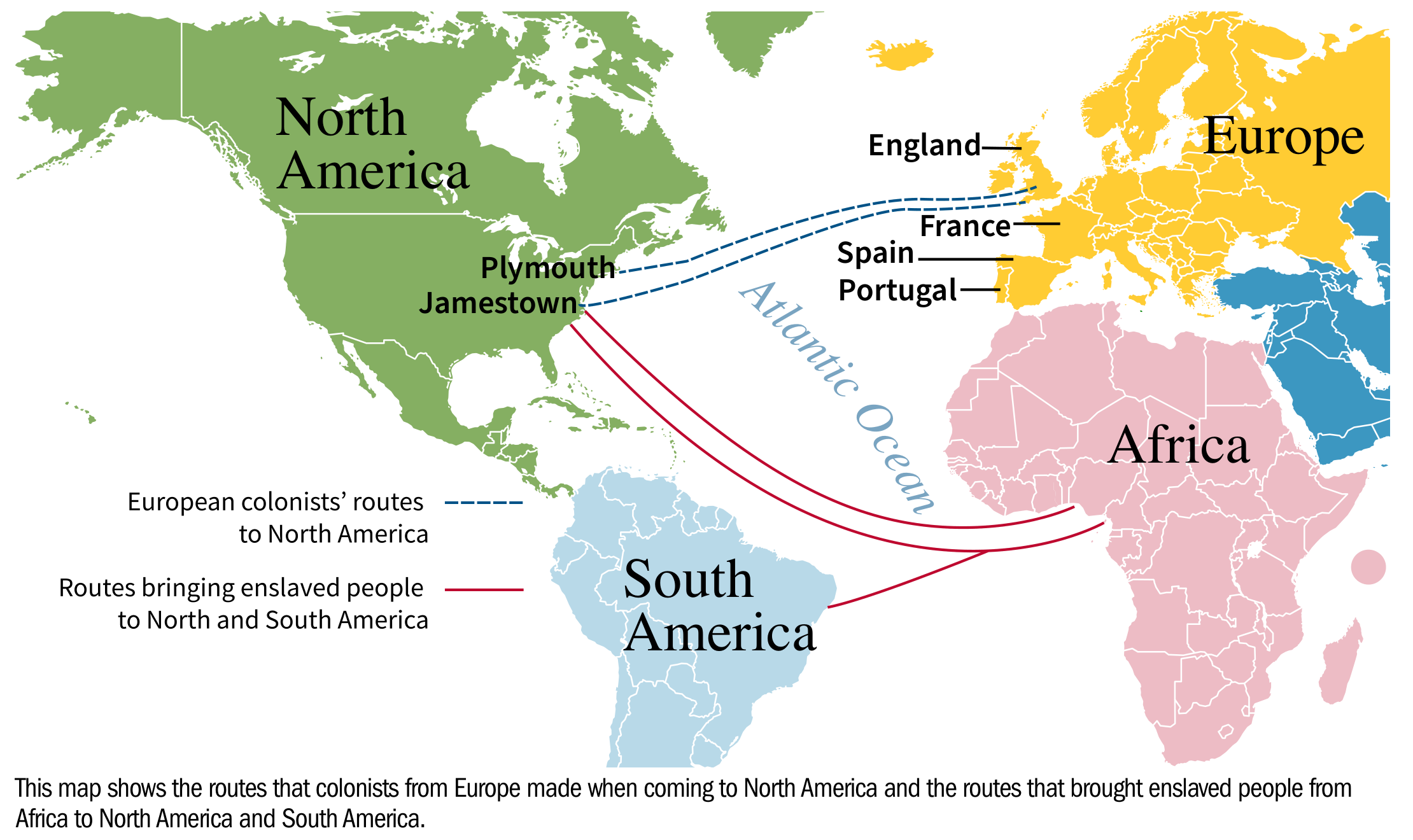
In 1607, the country of England created its first permanent settlement in North America. It was called Jamestown. This started the period in American history called the Colonial Period. It lasted from 1607 – 1775. During the Colonial Period, England created 13 colonies in North America.
Many colonists who settled in Jamestown came to North America because they wanted economic opportunities. Some colonists believed that it would be easier to buy land for farming in North America. Others thought they could find valuable metals like gold and silver.
The first years in Jamestown were difficult for the colonists. Many died from hunger, disease, or the cold winter weather. Colonists and Native Americans also fought over who would control the land. Both colonists and Native Americans died during the fighting.
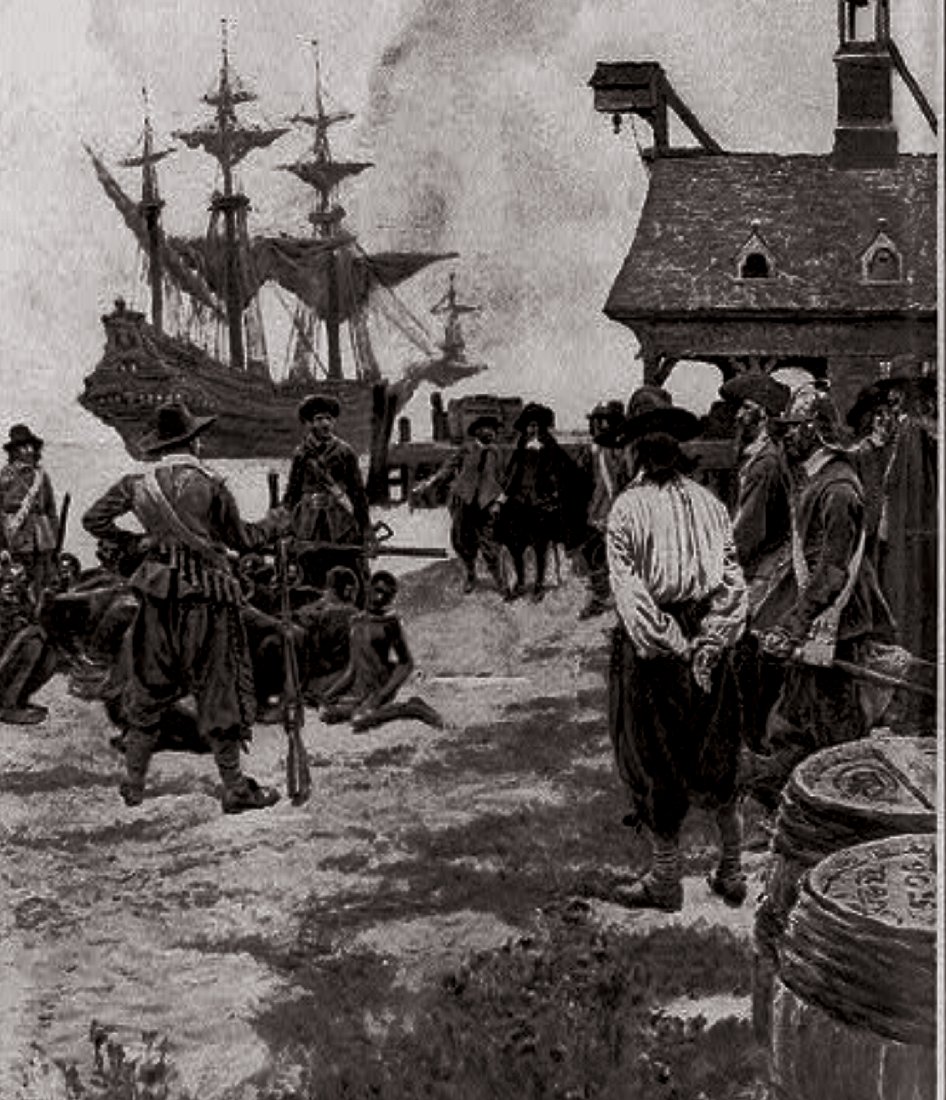
After the first few years, the colonists in Jamestown began to have more success, and the number of colonists grew. They moved to new areas and started growing crops like tobacco and later cotton. The colonists made a lot of money selling these crops to England. They wanted to grow more crops, but they did not have enough people to work on the farms.
Other European countries that had colonies took people from Africa to the Americas and sold them as slaves. Another term for “slave” is an “enslaved person.” An enslaved person is someone who is forced to work with no freedom. Millions of enslaved African people were forced on ships and taken to North and South America.
The first group of enslaved Africans were brought to Jamestown in 1619. Enslaved Africans were forced to work on farms in terrible conditions.
As more colonists came to Jamestown, they started to create other settlements. Soon these settlements became known as the colony of Virginia.
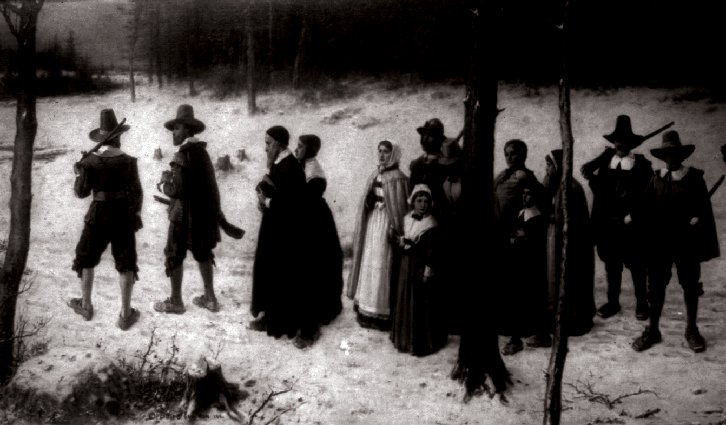
In 1620, a group of English colonists called the Pilgrims created the colony of Massachusetts. Many of these colonists came to North America because they wanted religious freedom.
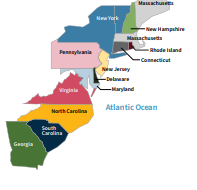
Soon more colonists from England began coming to North America and created more colonies. They created 13 colonies on the East Coast of North America.
The Colonial Period ended when the colonists living in the 13 original colonies declared their independence from Great Britain in 1776.
When the Colonial Period started in 1607, the colonists were part of the country of England. England is on the island of Britain. The country of Scotland is also on the island of Britain. In 1707, England and Scotland became one country called Great Britain. After 1707, the 13 original colonies were part of Great Britain.
The 13 original colonies were:
What you'll learn in this chapter
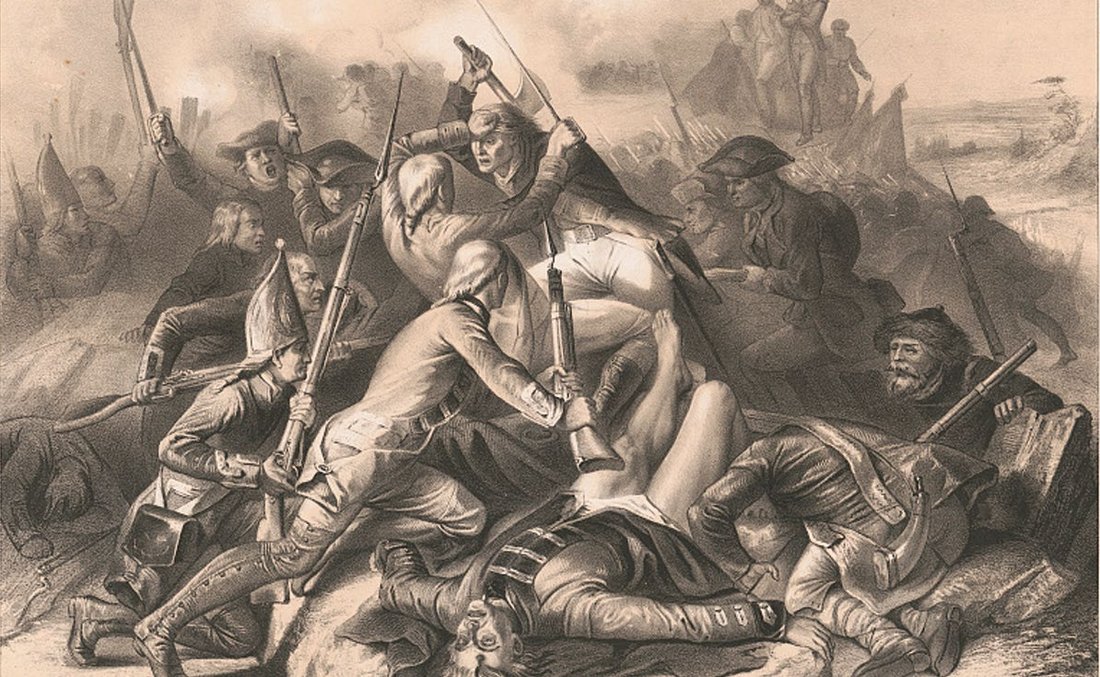
In 1775, the colonists went to war with Great Britain. This war was called the American Revolutionary War. During the American Revolutionary War, the colonists declared their independence from Great Britain, and they created the United States of America. The American Revolutionary War started in 1775. It ended in 1783 when Great Britain signed a treaty that said they agreed that the United States was an independent country.
The reason the colonists fought the British was because they did not have self-government.
When the colonists created the 13 colonies, each colony had its own colonial congress. A colonial congress was a legislative branch that made laws for each colony.
Great Britain allowed the colonies to have a colonial congress as long as they paid taxes to Great Britain, obeyed all other British laws, and provided Great Britain with materials like cotton, tobacco, and rice.
In the 1760s, Great Britain was fighting a war both in Europe and in North America. Great Britain needed help paying for the war. They passed laws that increased taxes on the 13 original colonies. The colonists did not think it was fair that Great Britain raised their
taxes without allowing representatives from the colonies to vote on it. Many colonists began to protest against the taxes because they thought it was not fair to have taxation without representation.
Great Britain responded by passing laws to punish the colonists. Great Britain made the colonists pay more taxes and made the colonial congresses illegal. These taxes and laws made the colonists even angrier. Many colonists no longer wanted to be part of Great Britain. They wanted to create their own country and govern themselves.
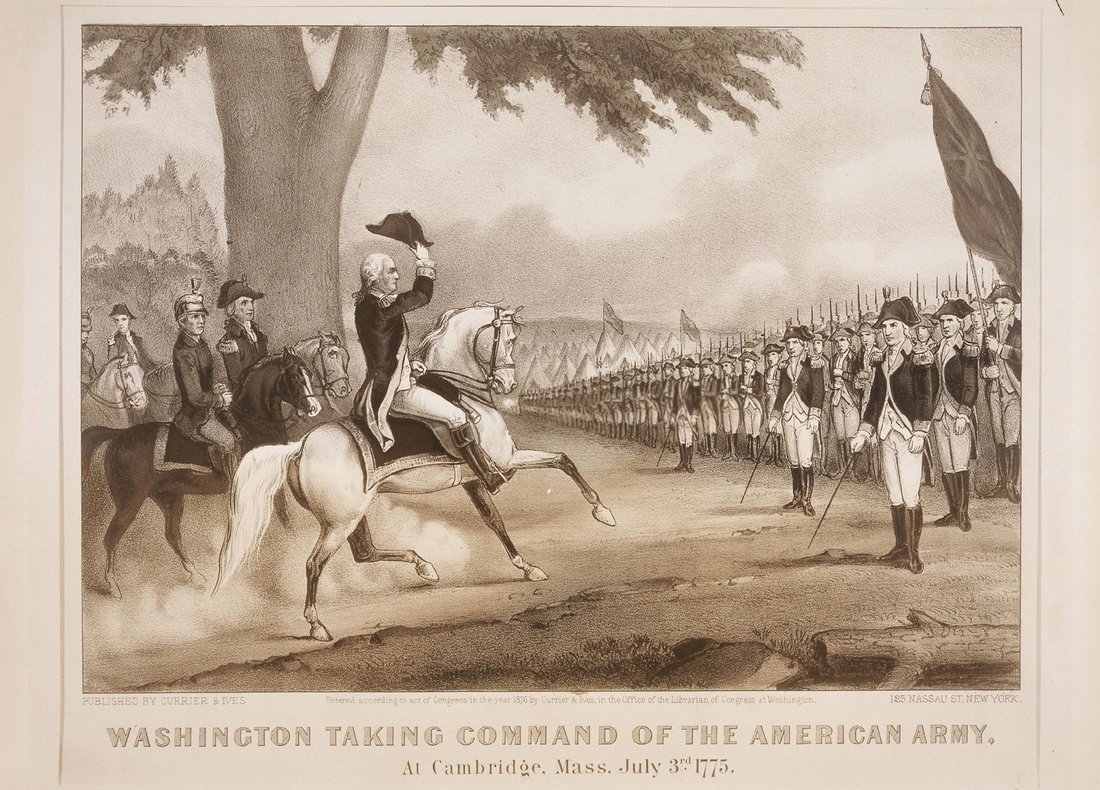
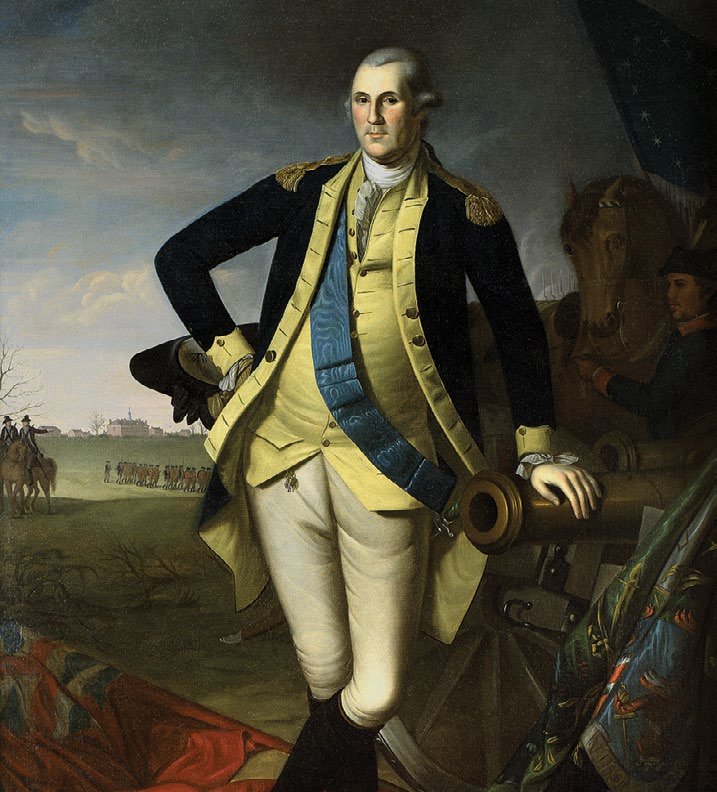
In 1775, colonists in Massachusetts began fighting the British. Soon, all 13 original colonies were fighting against Great Britain. The colonists created an army, and George Washington was named the general of the colonial army during the American Revolutionary War. This is one reason that George Washington is called the “Father of Our Country”.
The Declaration of Independence was adopted on July 4, 1776. The Declaration of Independence announced our independence from Great Britain. This is why we celebrate Independence Day on July 4th.
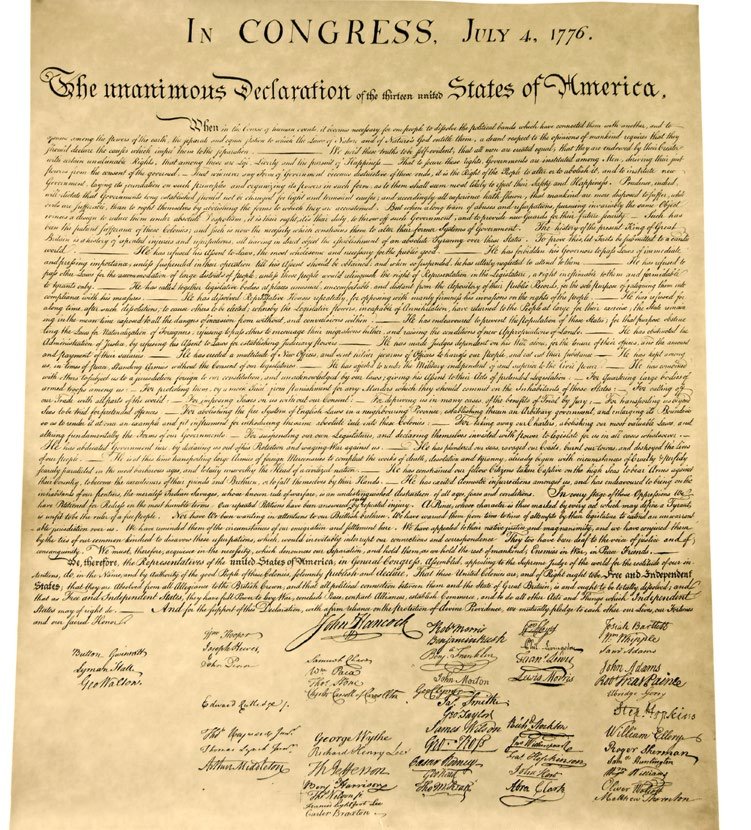
Another word for “Declaration” is “statement.” Another word for “Independence” is “freedom.” The Declaration of Independence is a “statement of freedom.”
Thomas Jefferson wrote the Declaration of Independence. In the Declaration of Independence, Thomas Jefferson wrote that everyone has the right to:
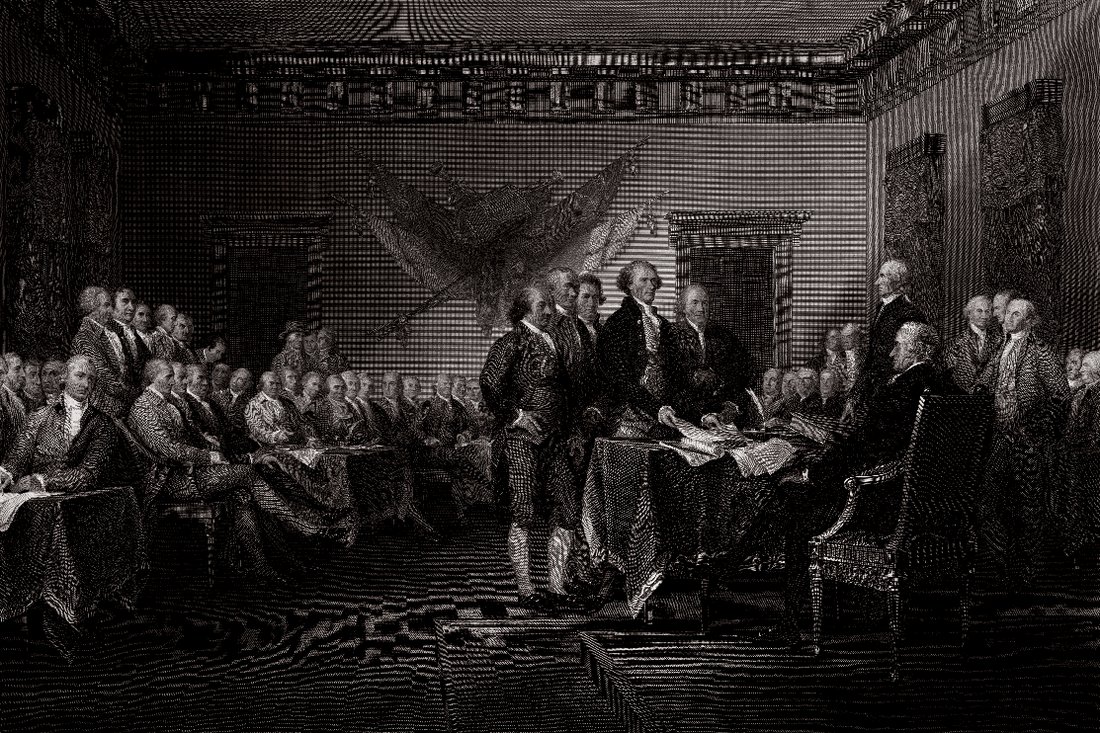
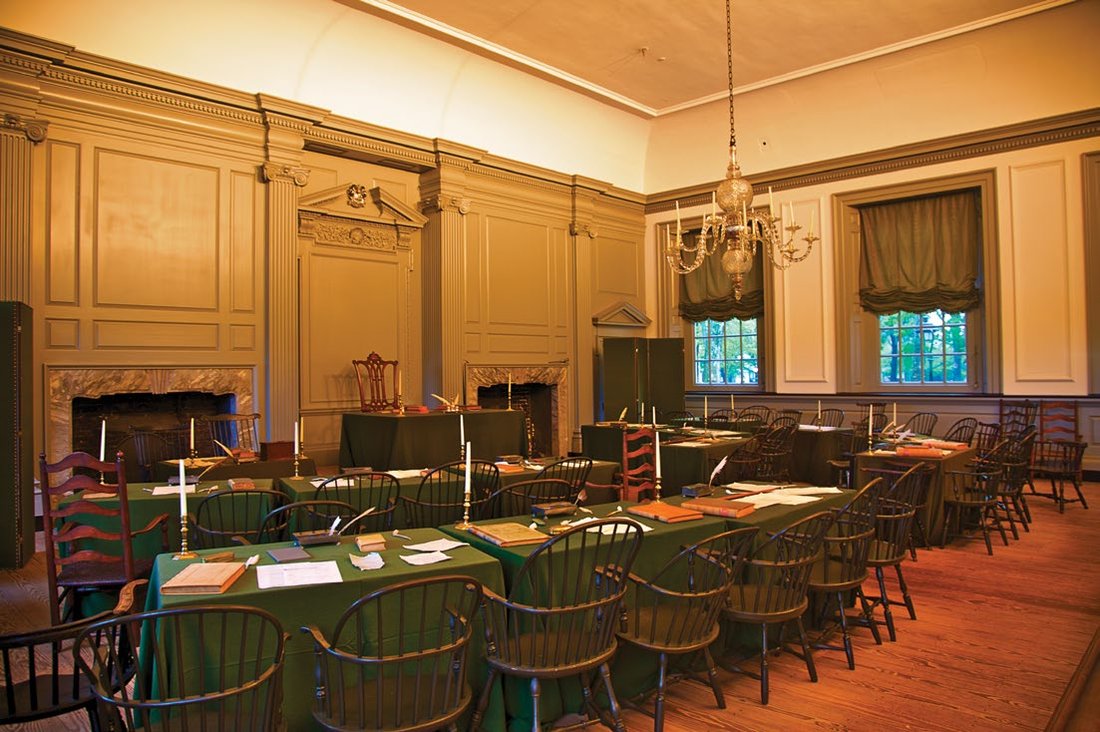
When the colonists adopted the Declaration of Independence, they created the United States of America. The 13 original colonies became the 13 original states.
The 13 original states are:
The United States stopped fighting with Great Britain in 1781. The British Army surrendered to the United States at the Battle of Yorktown in the state of Virginia. There was no more fighting, but the American Revolutionary War did not officially end until the U.S. and Great Britain signed a treaty in 1783. In the treaty, Great Britain agreed that the United States won the American Revolutionary War and that the United States was an independent nation.
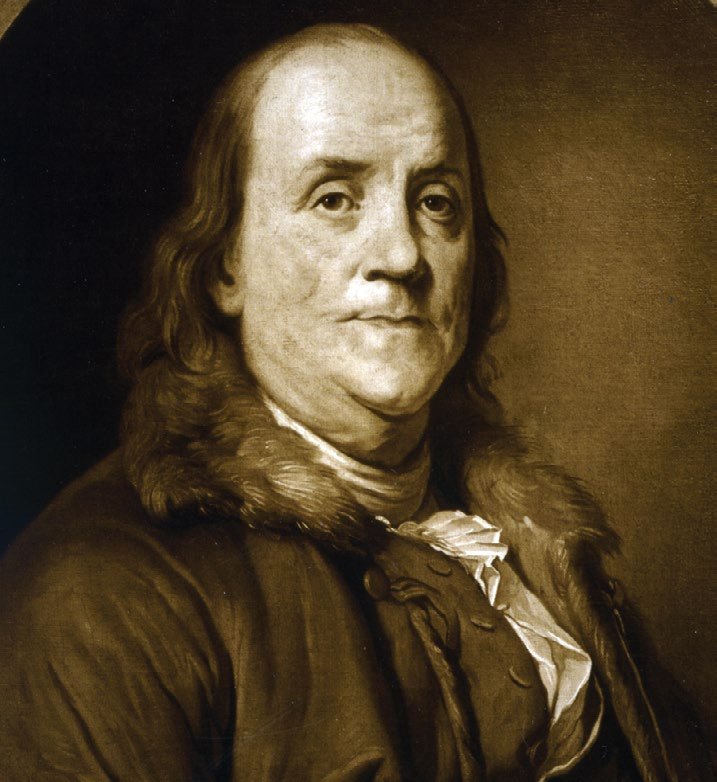
Benjamin Franklin was a Founder who was famous for many things. One thing Benjamin Franklin was famous for was being a diplomat. A “diplomat” is someone who travels to other countries to represent the United States. Benjamin Franklin was the diplomat who negotiated the treaty with Great Britain in 1783.
Other answer choices for this question:
What you'll learn in this chapter
The Constitution was written in 1787. It was written 11 years after the Declaration of Independence was adopted in 1776.
After the United States won the American Revolutionary War, many people were not happy with the way the country was being governed. Many of the states disagreed on issues like trade, taxes, and other laws.
Some of the country’s leaders like George Washington, Alexander Hamilton, and James Madison believed that the United States needed a new government.
In 1787, leaders from all the 13 original states met in Philadelphia, Pennsylvania to create a new government. This meeting was called the Constitutional Convention. The Founders wrote the Constitution at the Constitutional Convention.
After the Founders wrote the Constitution, the 13 original states had to vote for the Constitution.
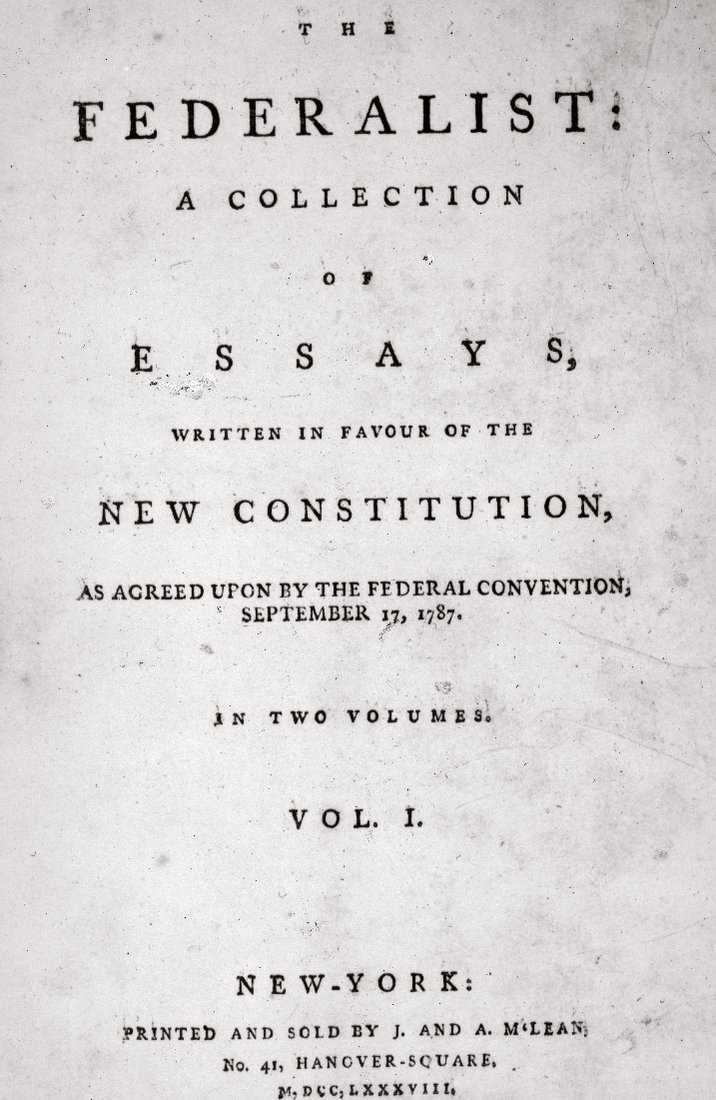
Not everyone in the country wanted the new Constitution. James Madison, Alexander Hamilton, and John Jay wrote papers to support passing the U.S. Constitution. These papers are called the Federalist Papers. They published the Federalist Papers in newspapers across the United States.
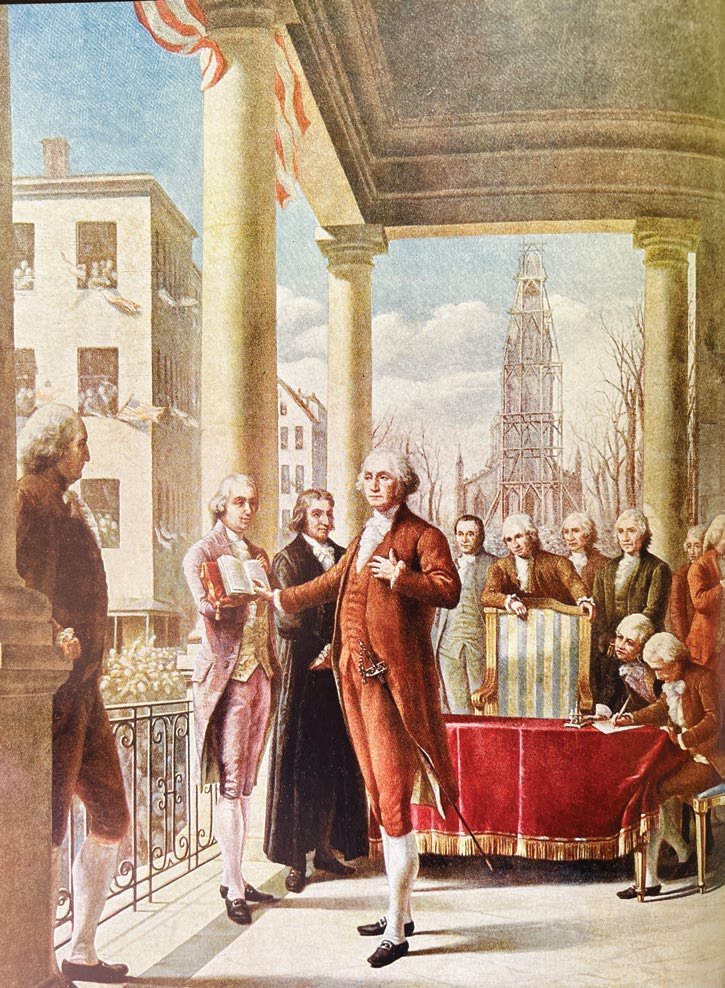
When the states voted to pass the Constitution, the United States created a new government. When the new government was created, George Washington was elected the first President of the United States. He served as President from 1789 – 1797. George Washington is also known as the “Father of Our Country”.
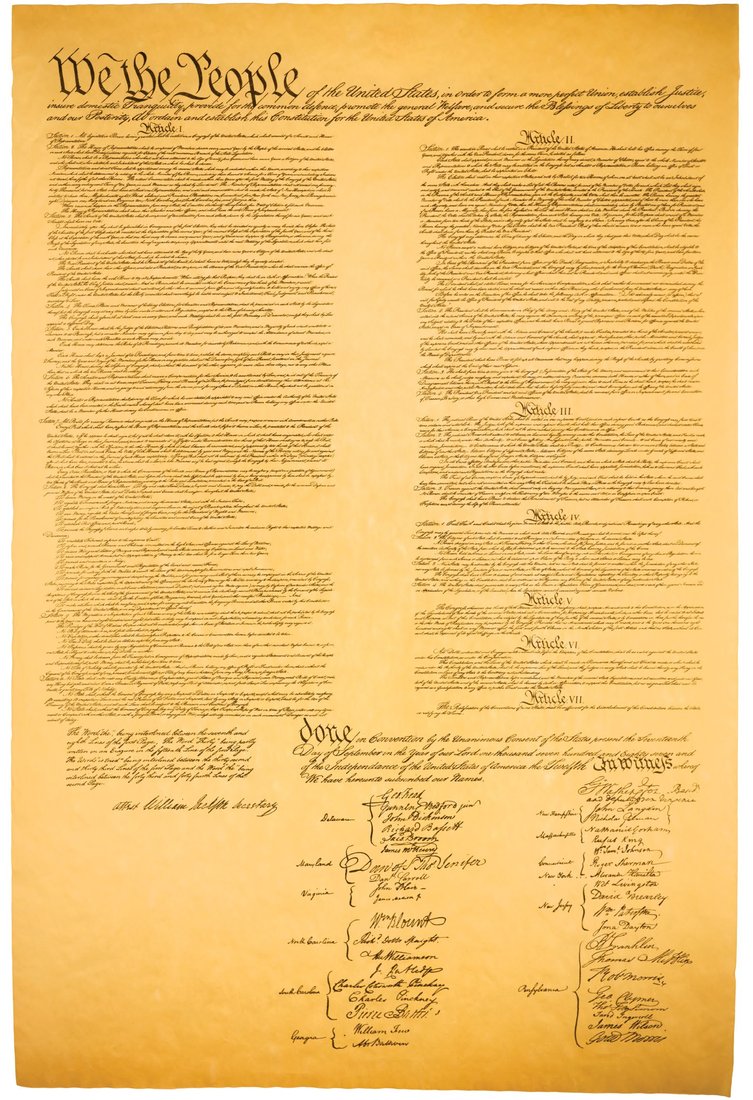
When the Constitution was written in 1787, the U.S. had 13 states on the East Coast of North America. The United States also claimed to own the land between the 13 original states and the Mississippi River as U.S. territory. The word “claim” means that other European countries that created colonies in the Americas agreed that this territory was owned by the United States.
At this time, there were still over 600,000 Native Americans living on the land claimed by the United States. Native American tribes had lived for thousands of years in the territory that the U.S. claimed. They did not agree that the U.S. owned the land. This led to many conflicts and wars in the 1800s because Native Americans were forced to defend their people, their culture, and their land.
In 1803, the United States purchased the Louisiana Territory from France. The Louisiana Territory included a large amount of land between the Mississippi River and the Rocky Mountains. France sold the Louisiana Territory to the United States because they needed money to pay for wars they were fighting in Europe.
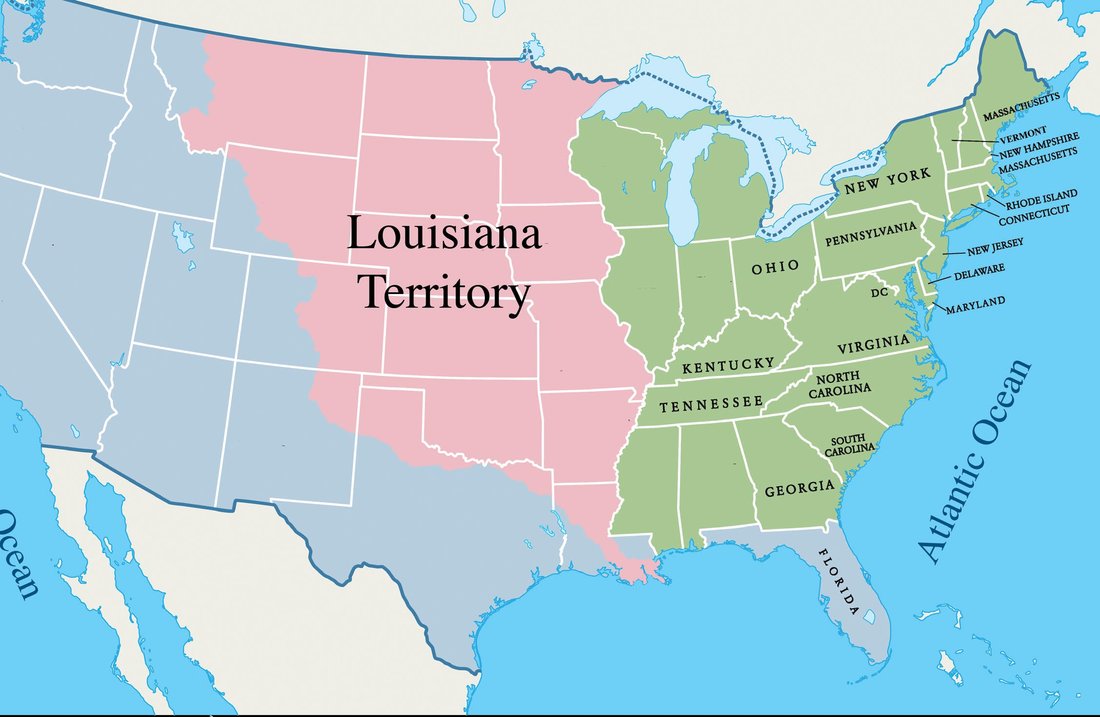
When the U.S. purchased the Louisiana Territory from France, more people began moving west into the new territory. This led to more conflicts and wars between people from the United States and Native Americans.
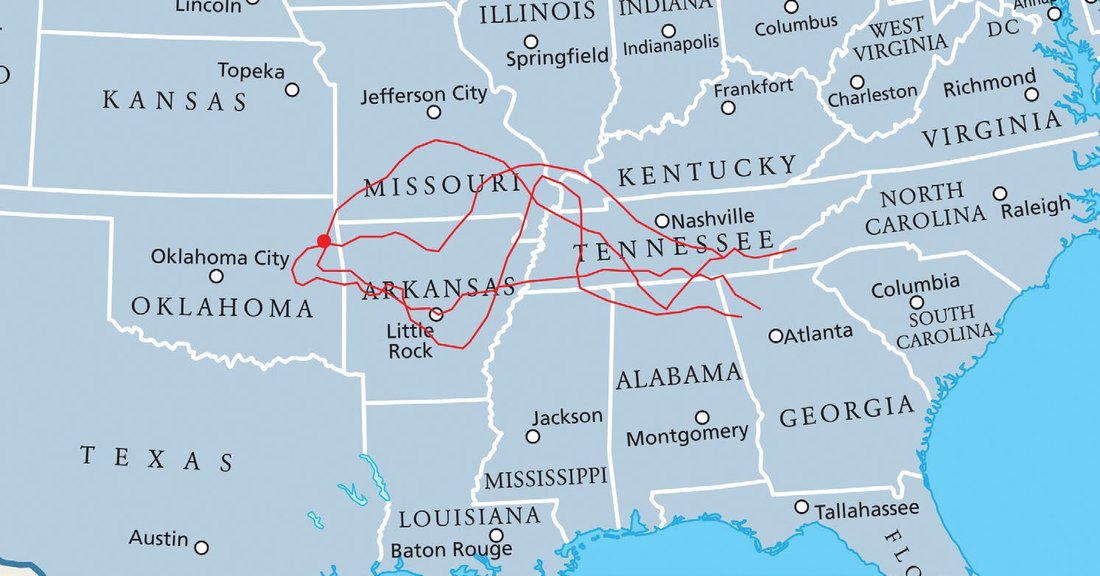
For example, between the 1830s – 1850s, people from five Native American nations in the southern United States were forced to move from their homeland to land in the Louisiana Territory. The five Native American nations were the Cherokee, Muscogee, Seminole, Chickasaw, and Choctaw. This event is called the “Trail of Tears” because thousands of people died from disease and starvation on the trail during the journey.
Throughout the 1800s, people from the United States continued to move West. This led to more conflicts between Native Americans and people from the U.S., and more Native Americans were forced to move off their land.
Native Americans are also called American Indians. Today, there are over 500 American Indian tribes in the United States.
Some of the American Indian tribes in the United States are:
In 1845, Texas became the 28th state to join the United States. Until 1836, Texas was part of Mexico. Texas fought for independence from Mexico and became its own country from 1836 – 1845.
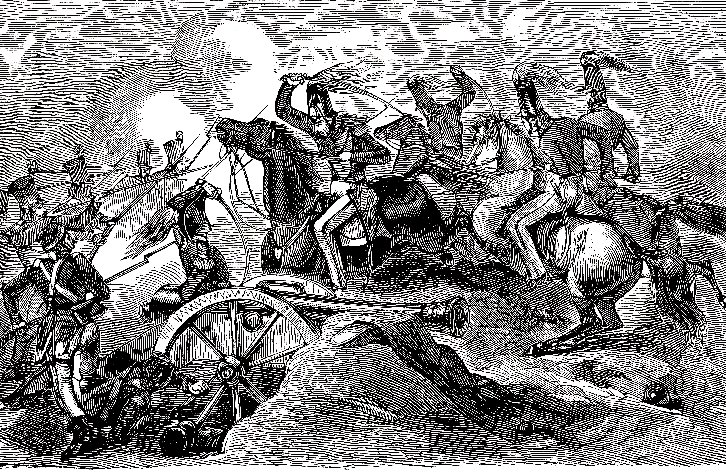
At that time, Mexico still claimed much of the land in the southwest between the Rocky Mountains and the Pacific Ocean. Mexico also wanted Texas to be part of Mexico again.
In 1846, the U.S. went to war with Mexico over Texas and other land that Mexico controlled in the southwest. This war is called the Mexican- American War.
The Mexican-American War was one war fought by the United States in the 1800s.
The U.S. won the Mexican-American War in 1848. After the war, the United States and Mexico signed a treaty. In the treaty, Mexico agreed that Texas was part of the United States. Mexico also agreed to sell the land it claimed in the southwest to the U.S. The territory the U.S. gained from Mexico later became the states of California, Nevada, and Utah. It also included territory that became parts of the states of Arizona, Colorado, New Mexico, and Wyoming.
Other wars that the United States fought in the 1800s include:
Today, the states of California, Arizona, New Mexico, and Texas all border Mexico.
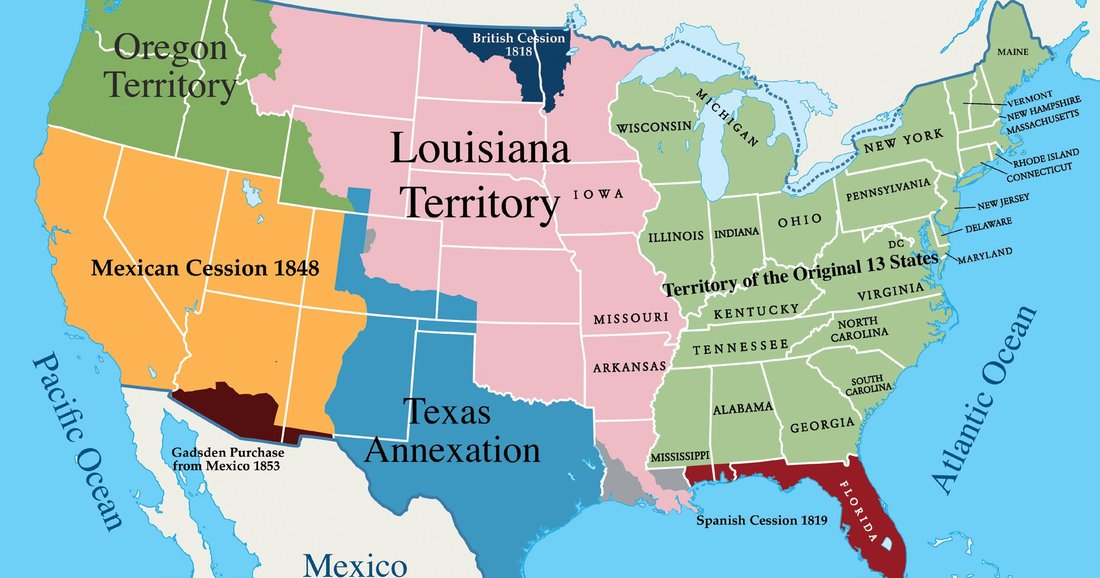
In 1850, California became the 31st state to join the United States, and it was the first state to join the United States that bordered the Pacific Ocean.
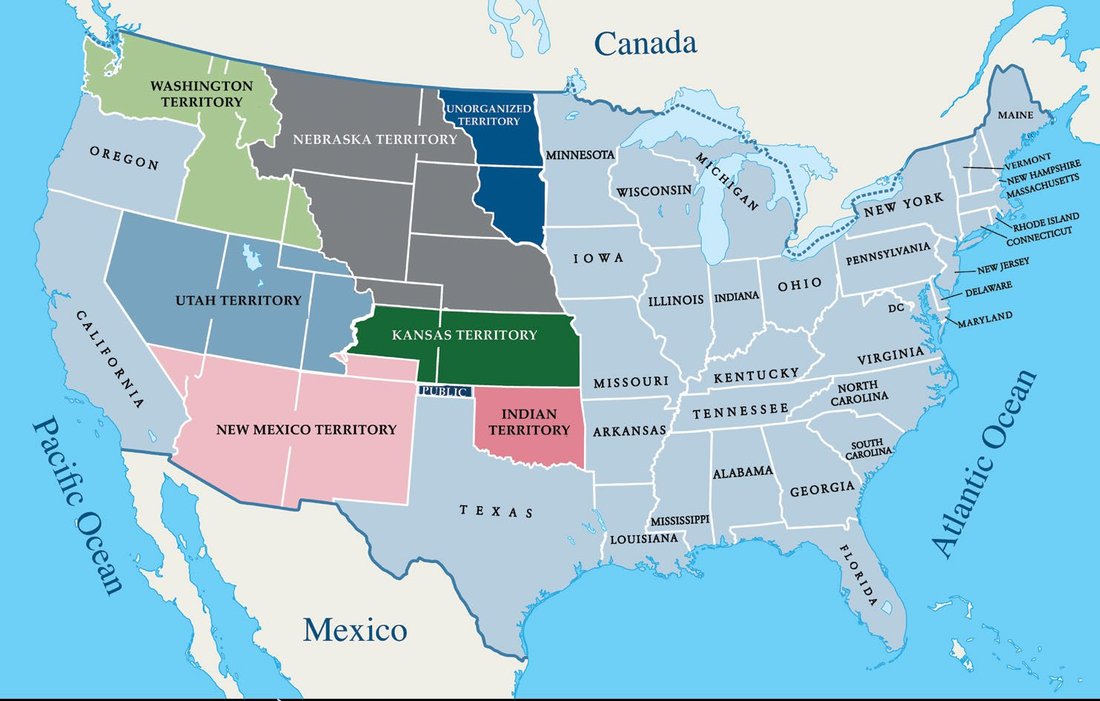
By 1860, there were 33 states in the United States. The Atlantic Ocean bordered the U.S. on the East Coast, and the Pacific Ocean bordered the U.S. on the West Coast. The U.S. also claimed all of the land between Canada and Mexico that today makes up the first 48 states to join the United States.
The growth of the country not only led to conflicts with Native Americans and Mexico, it also led to conflicts between people from the United States moving to the West. The biggest conflict was over slavery.
Other answer choices for this question:
The conflicts over slavery in the South and the West were one problem that led to the Civil War.
What you'll learn in this chapter
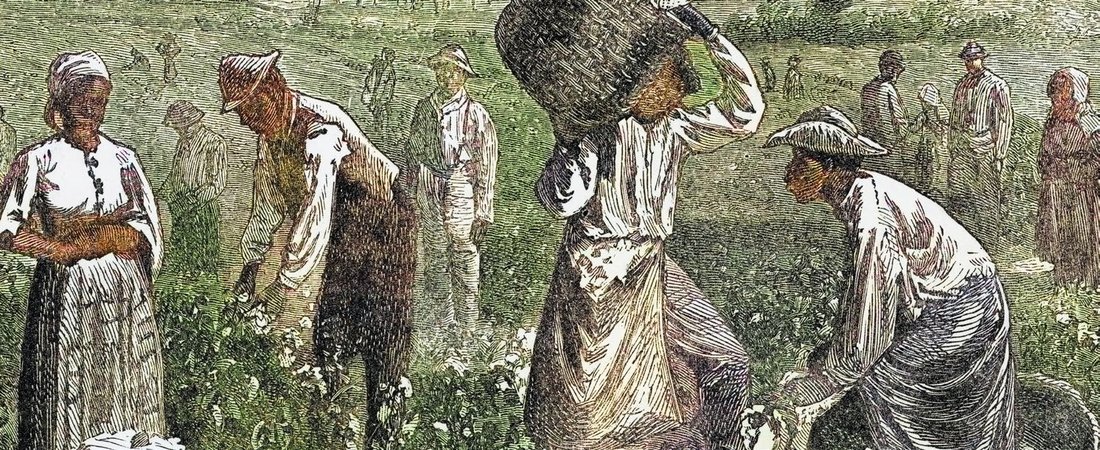
During the 1800s, the states in the southern United States began to depend more on growing cotton and other crops for sale to countries in Europe. Landowners depended on enslaved people to do the work.
As the U.S. gained more territory, many people who owned slaves in the South wanted to move to the new states and territories in the West. They wanted to find more land to grow crops like cotton, corn, and tobacco. They also wanted slavery to be legal in the West so they could bring enslaved people to work on the farms and grow crops.
Most northern states passed laws against slavery, and many people in the North did not want slavery to be legal in the West. When people from the North and the South began moving west in the 1800s, there were many conflicts about whether slavery should be legal in the new states and territories. Congress began to pass laws that said where slavery was legal in the West and where it was not.
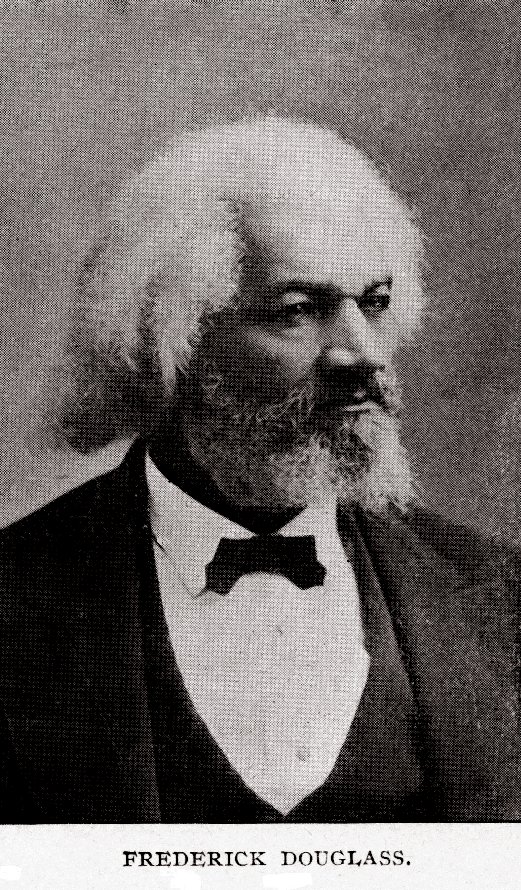
Between 1800 -1860 there were people who thought that slavery should be illegal and that everyone in the U.S. should have civil rights. For example, Frederick Douglass escaped from slavery and became an important civil rights leader in the 1800s. He is famous for giving speeches and writing books about ending slavery and protecting civil rights for all people.
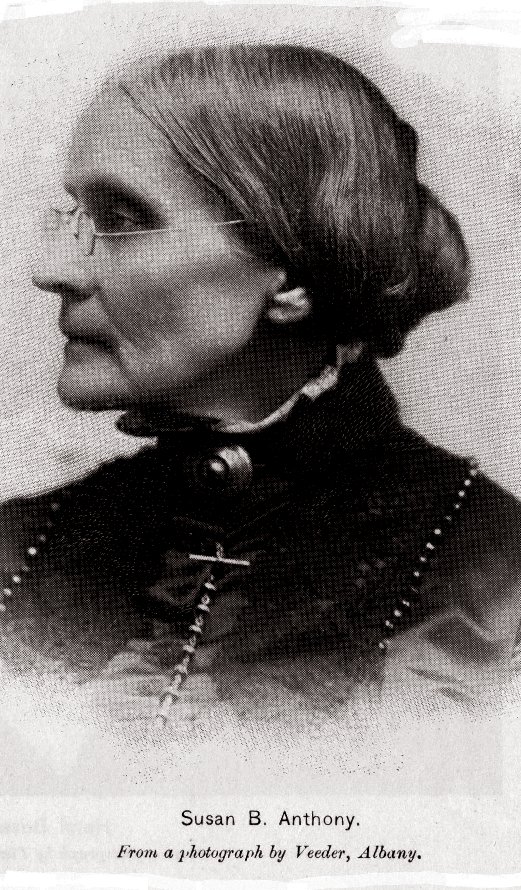
Susan B. Anthony is another person who fought for civil rights during the 1800s. She agreed with Frederick Douglass that slavery should be illegal. Susan B. Anthony also fought for women’s rights. She wanted women to be treated equally to men, and she wanted women to have the right to vote in the United States.
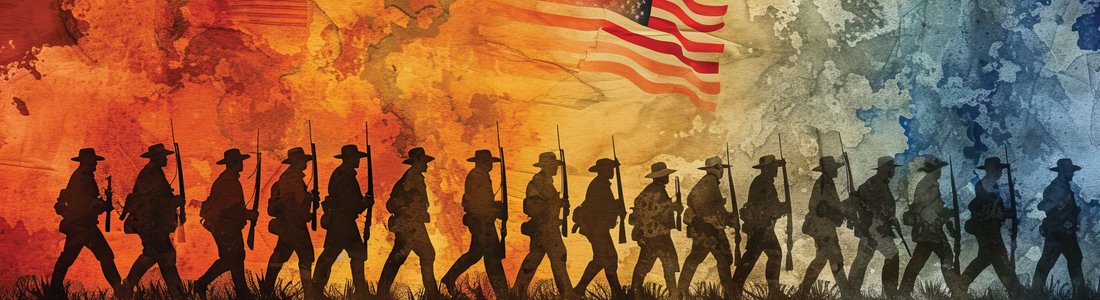
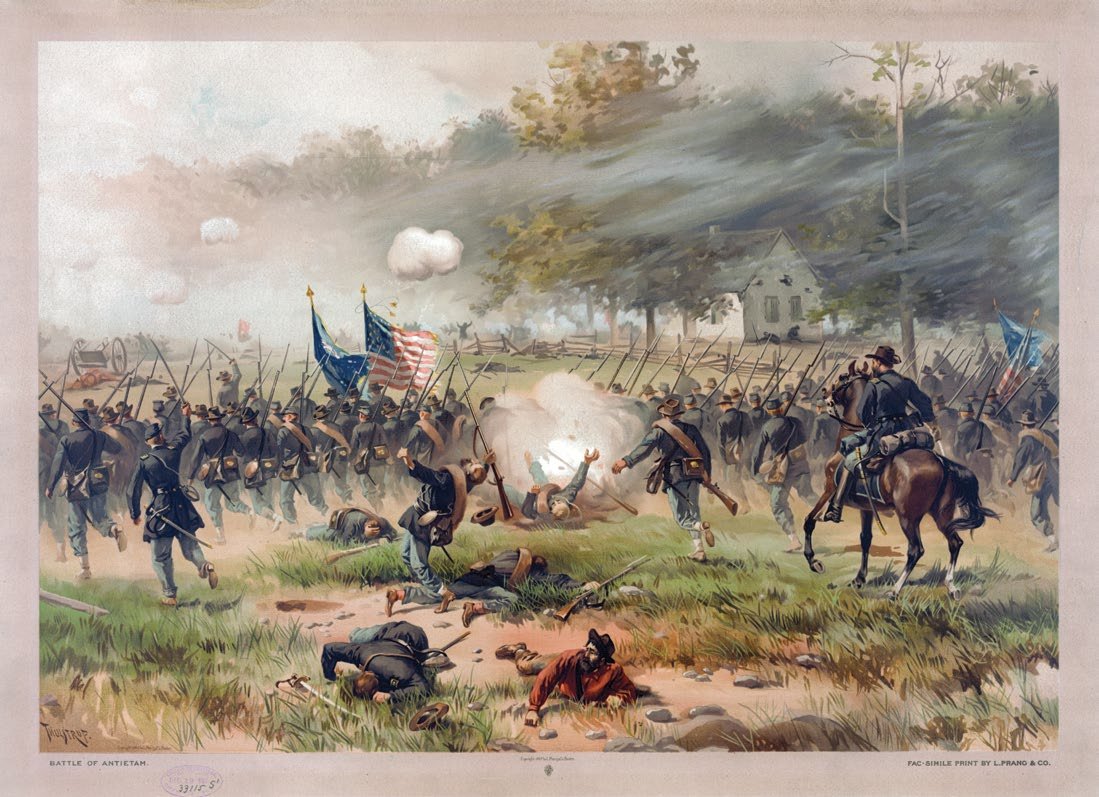
In 1861, the U.S. started fighting the Civil War. The Civil War is one war that the U.S. fought during the 1800s. The Civil War was fought between the North and the South between 1861 – 1865.
One problem that led to the Civil War was slavery. The states in the South believed that slavery should be legal. They were afraid that states in the North wanted to make slavery illegal in the whole country. The states in the North were also afraid that the Southern states wanted to make slavery legal in the whole country.
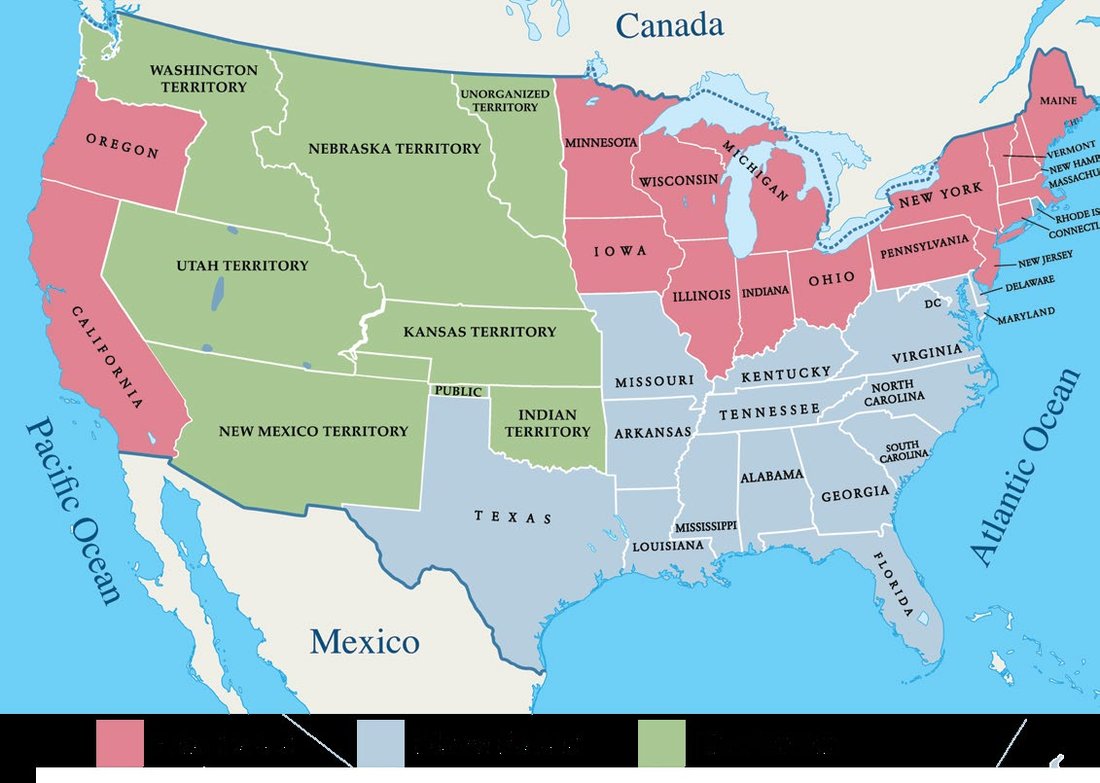
The Civil War started in 1861 after 11 states in the South left the United States and tried to create their own country. They called their country the Confederate States of America. The states in the North were still called the United States of America.
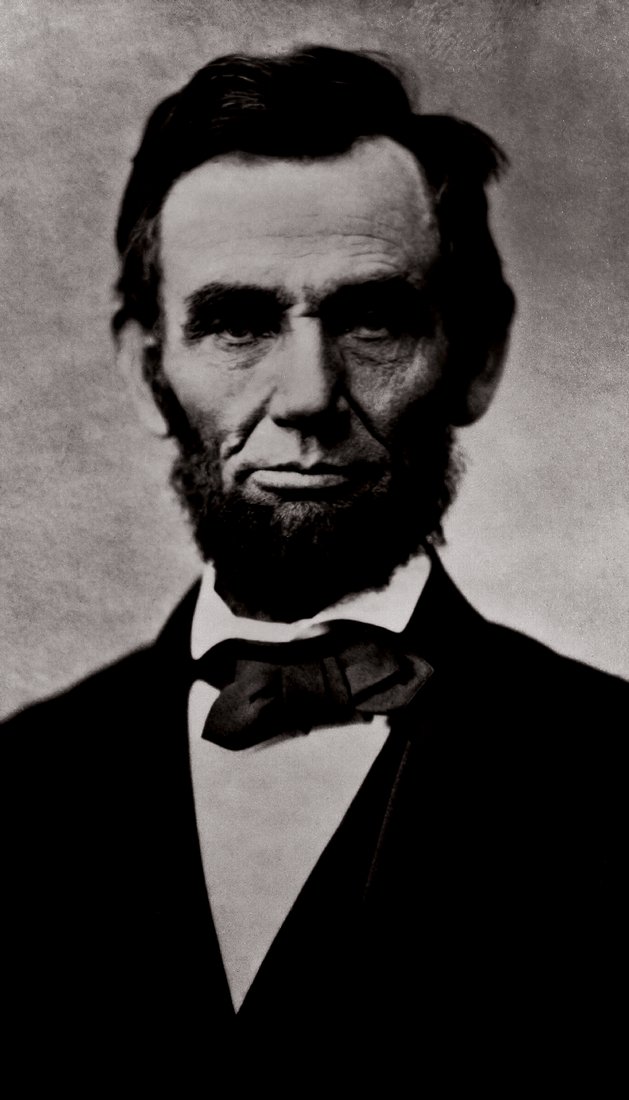
Abraham Lincoln led the United States during the Civil War. He was the 16th President of the United States, and he served as President from 1861 – 1865.
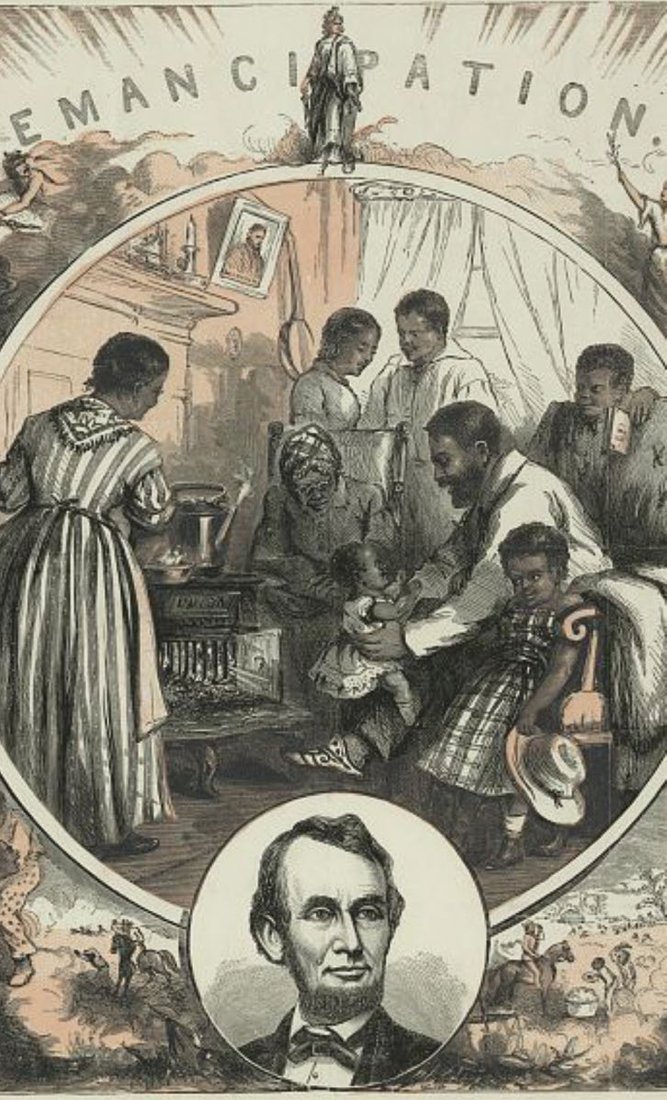
During the Civil War, Abraham Lincoln signed the Emancipation Proclamation. The Emancipation Proclamation freed the slaves in most Southern states. “Emancipation” is another word for “freedom.” “Proclamation” is another word for “announcement.” The Emancipation Proclamation announced that people who were enslaved in most Southern states were free. Most people enslaved in Southern states were not actually freed until after the Civil War was over.
The North won the Civil War when the South surrendered in April 1865. A few days after the South surrendered to the North, Abraham Lincoln was assassinated. The word “assassinated” means that a person is murdered for political reasons.
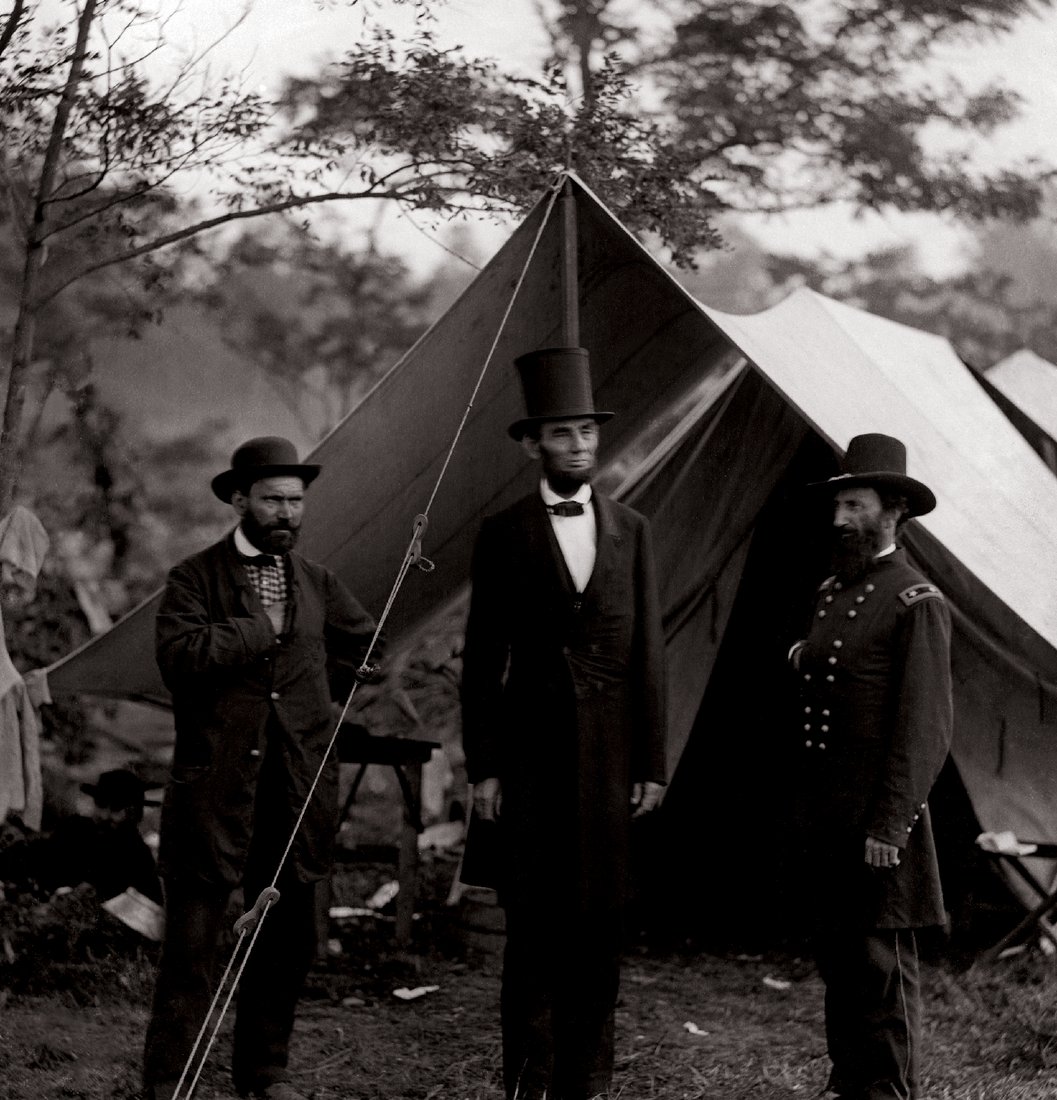
After the Civil War was over, all the people who were enslaved in Southern states were freed. On June 19, 1865, enslaved people living in Galveston, Texas, became the last to learn that the Civil War was over and that they were free. June 19th became a holiday called Juneteenth. Today, Juneteenth is a national U.S. holiday that recognizes and celebrates the end of slavery in the United States.
On December 6, 1865, the 13th Amendment was added to the Constitution. An amendment is a change to the Constitution. The 13th Amendment says that slavery is illegal in the United States.
What you'll learn in this chapter
fought in the 1900s.
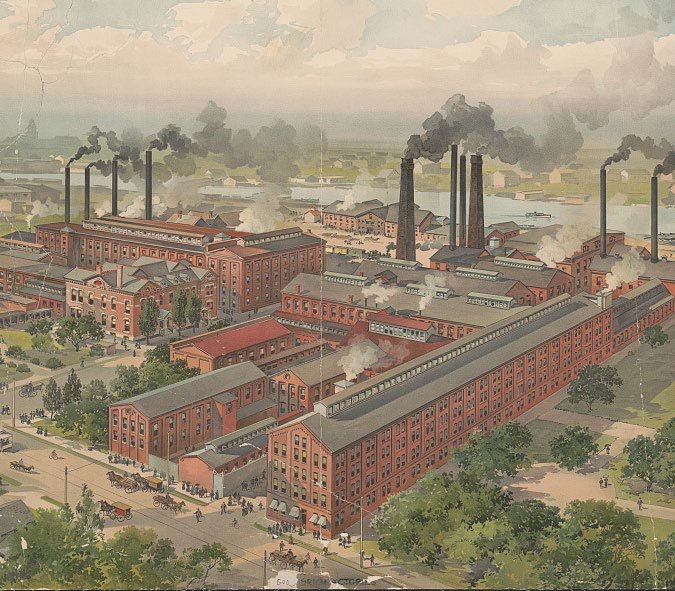
By the 1900s, more people in the United States were moving to cities to work in factories, and immigrants from all over the world were moving to the U.S. The United States’ economy was starting to grow, and soon the U.S. would begin to increase the size of its military.
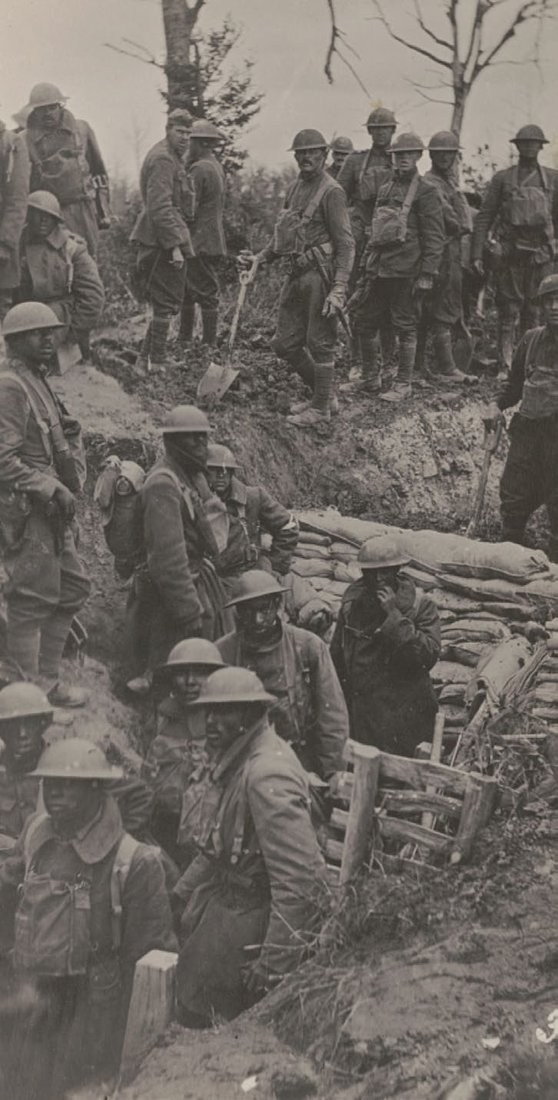
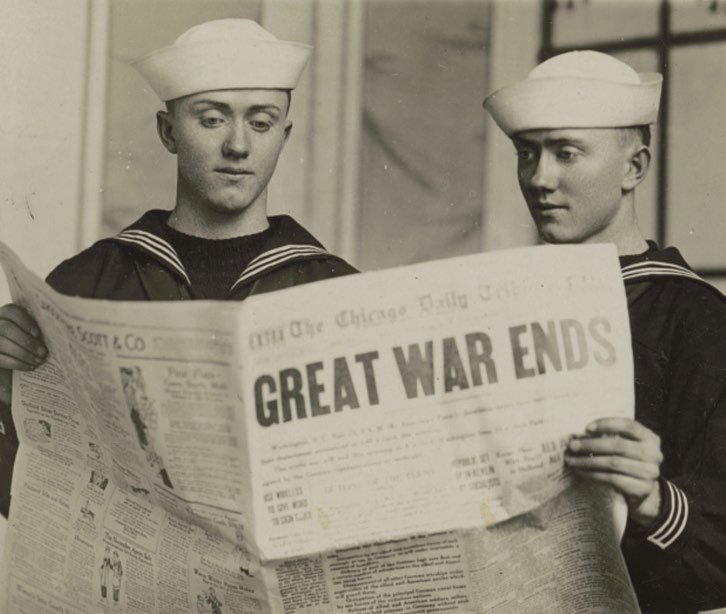
In 1914, a war started in Europe. When the war started, it was called The Great War. Today, the Great War is called World War I. There were many countries fighting on each side of the war during World War I.
World War I is one war fought by the United States in the 1900s. World War I was fought by countries from around the world from 1914 – 1918, but the U.S. did not join the war until 1917. The U.S. fought in World War I from 1917 – 1918.
World War I ended on November 11, 1918. Today, we celebrate Veterans’ Day every November 11 in honor of the men and women (alive and deceased) who have served in the military. Veterans’ Day is a national U.S. Holiday.
Woodrow Wilson was President during World War I. Woodrow Wilson was the 28th President of the United States, and he was President from 1913 – 1921.
Other wars that the United States fought in the 1900s include:
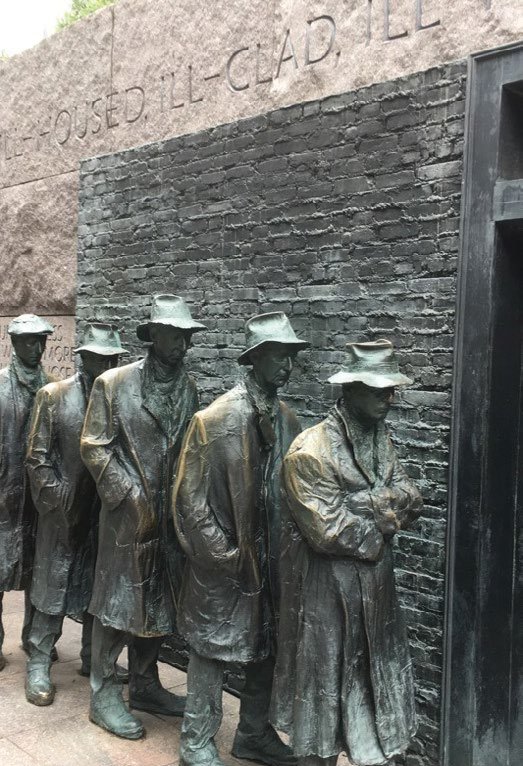
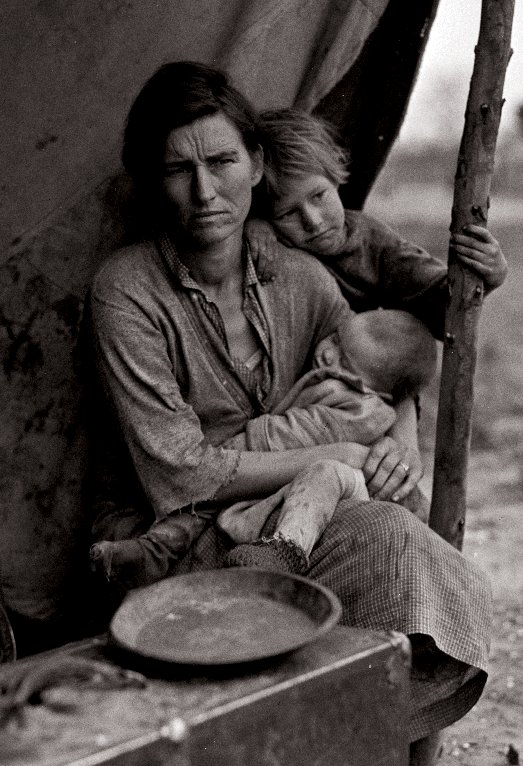
When President Roosevelt was elected in 1933, the U.S. was in the Great Depression. The Great Depression was the worst time for the U.S. economy in American history.
The economic system in the United States is called a “capitalist economy”. It is also sometimes called a “market economy”. In a market economy, the government does not control the economy. Also, people are free to start a business and make money.
The Great Depression had terrible effects on the American economy. During the Great Depression, banks and businesses around the country closed, and many people could not a get a job. A lot of people in the U.S. lost their homes and their money.
In 1933, Franklin Roosevelt was elected the 32nd President of the United States. Franklin Roosevelt was the longest-serving President in U.S. history, and he was elected President four times. He was President from 1933 – 1945, and he died while serving as President in 1945. In 1951, the 22nd amendment was added to the Constitution. An amendment is a change to the Constitution. The 22nd Amendment says a person can only be elected President two times.
Franklin Roosevelt was President during two important periods in American history. He was President during the Great Depression and World War II.
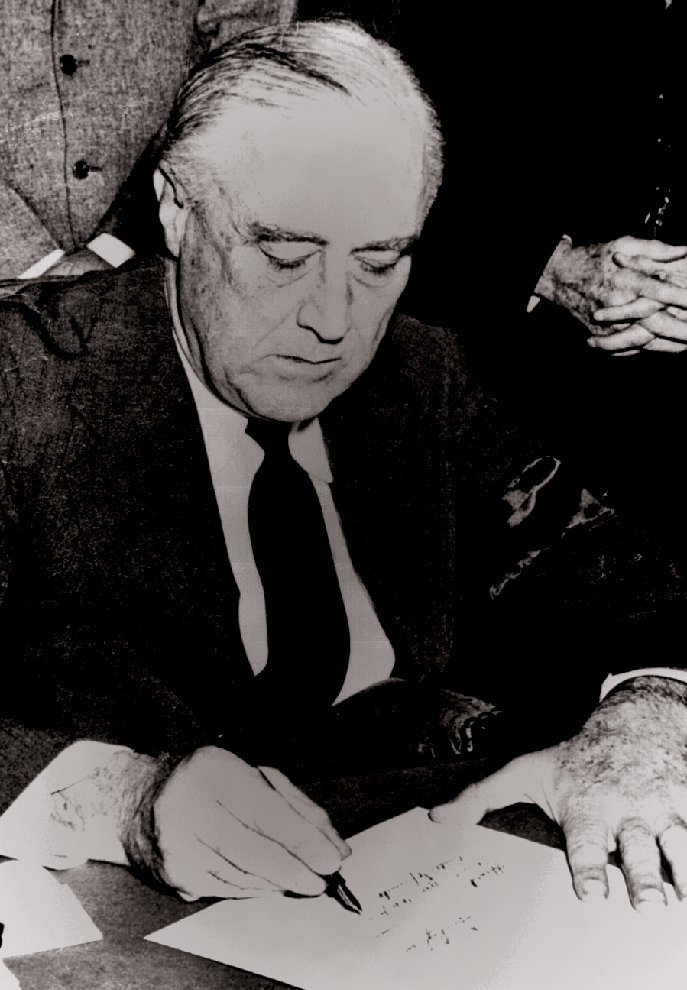
In 1939, World War II started when Germany attacked Poland. Germany then began to attack other European countries. Japan and Italy agreed to fight on the same side as Germany.
World War II was one war that the U.S. fought in the 1900s. The U.S. fought in World War II from 1941 – 1945.
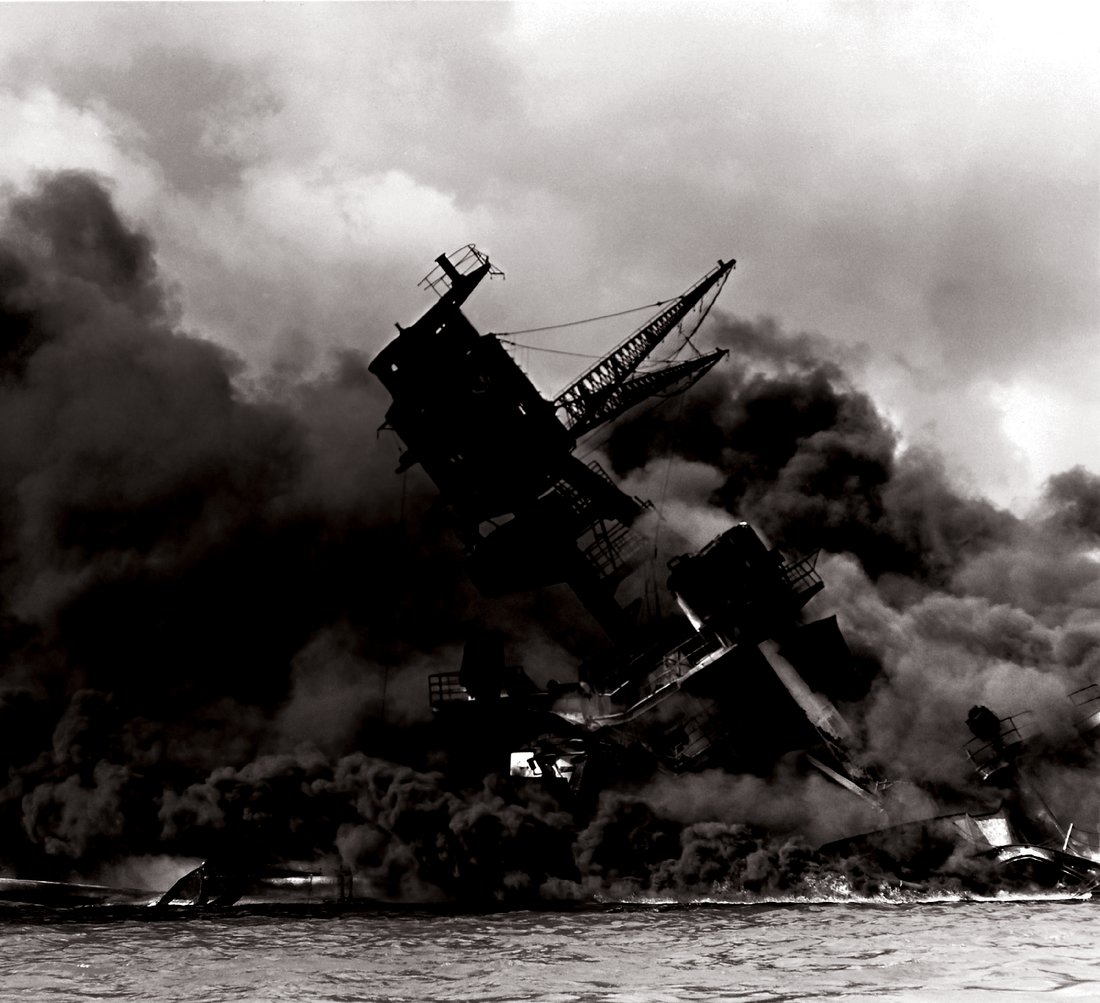
On December 7, 1941, Japan attacked the United States at a U.S. naval base in Hawaii called Pearl Harbor. On December 8, President Roosevelt announced that the U.S. would enter World War II. Later that day, Congress voted to declare war. The power to declare war is one power that belongs to the federal government under the Constitution.
During World War II, the U.S. fought Japan, Germany, and Italy.
The U.S. did not fight these countries alone. The United Kingdom, France, Russia, and other countries fought against Japan, Germany, and Italy. World War II ended in 1945 when Germany and Japan surrendered.
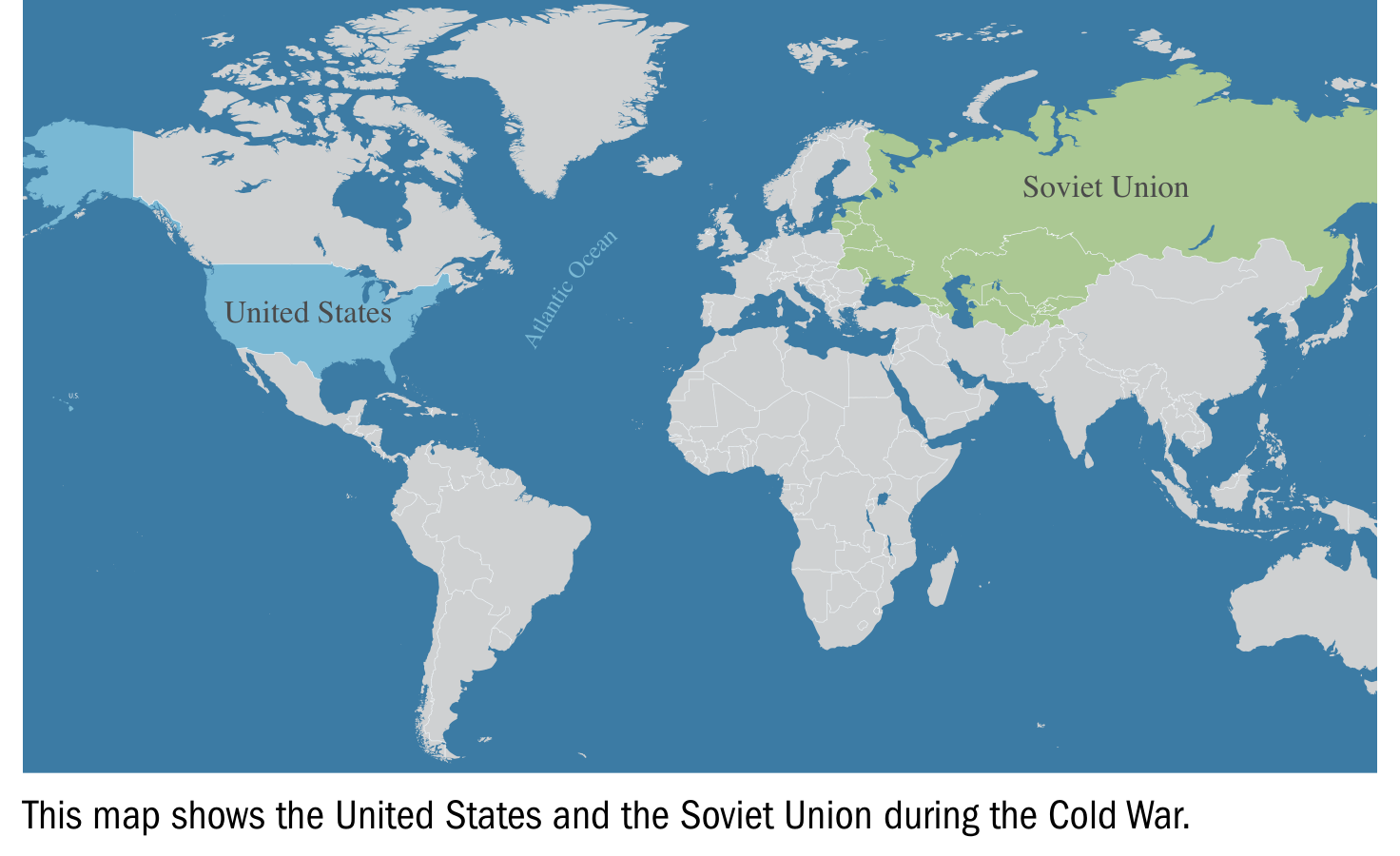
When the United States fought in World War II, the U.S. and Russia fought on the same side. Russia controlled many nearby countries. Russia, and the countries it controlled, were called the Soviet Union. The U.S. and the Soviet Union did not trust each other. After World War II, the United States and the Soviet Union became involved in the Cold War.
During the Cold War, the main concern of the United States was the spread of communism. Communism is a type of government in which the government plans the economy and controls most of the resources. Also, in most communist countries, the government is controlled by one political party. Russia and all the countries in the Soviet Union were communist. Other countries like China and North Korea were also becoming communist. The U.S. wanted to stop other countries around the world from becoming communist.
The Cold War did not have soldiers from the U.S. and the Soviet Union fighting each other in battles. Instead, the U.S. and the Soviet Union had diplomats and spies who used information and threats against each other.
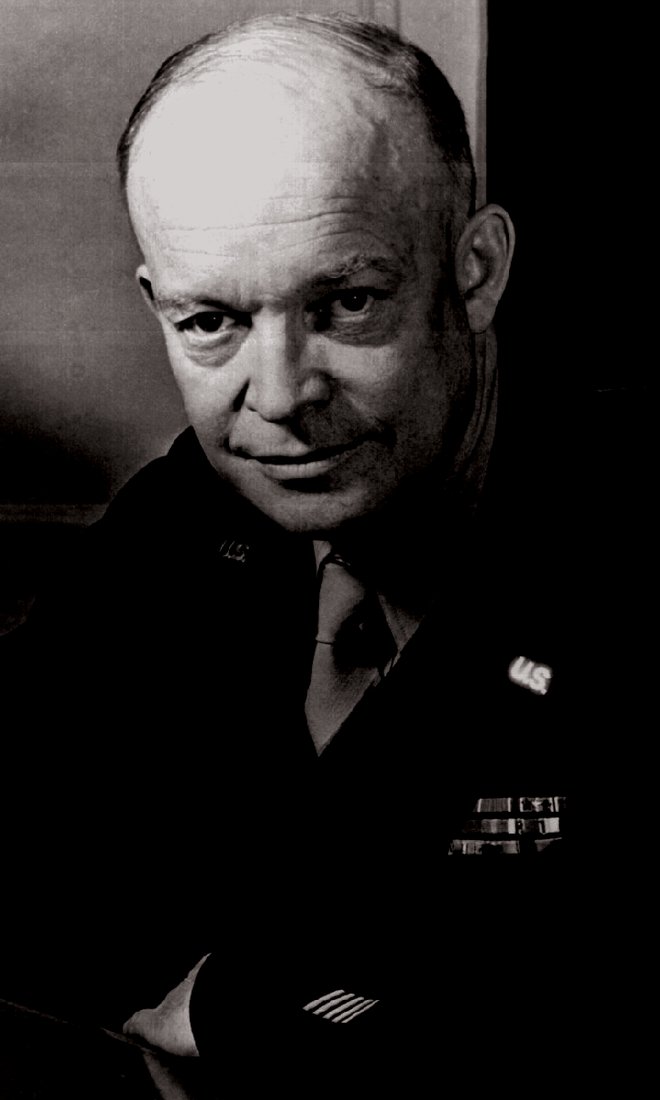
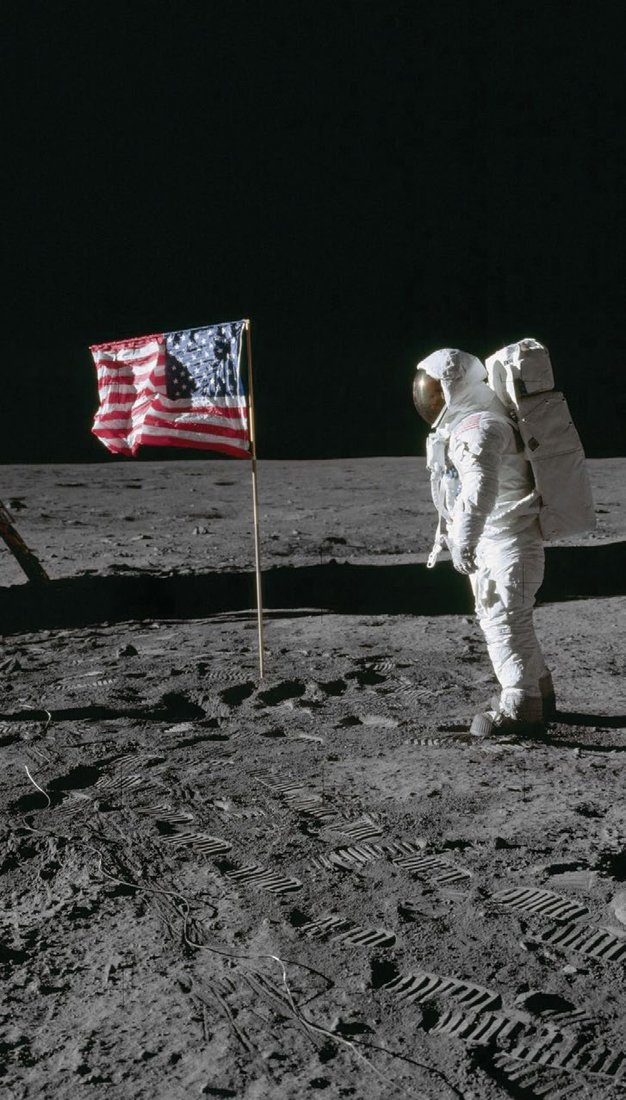
In 1953, Dwight Eisenhower became the 34th President of the United States. He served from 1953 – 1961. Before he was President, Eisenhower was a general in World War II. While he was President, the U.S. and the Soviet Union were building large armies in case they went to war. The U.S. and the Soviet Union also began trying to send rockets into space. In 1957, the Soviet Union became the first country to send a satellite into space. In 1969, the U.S. became the first country to land a person on the moon.
The Cold War ended in 1991 when the Soviet Union collapsed.
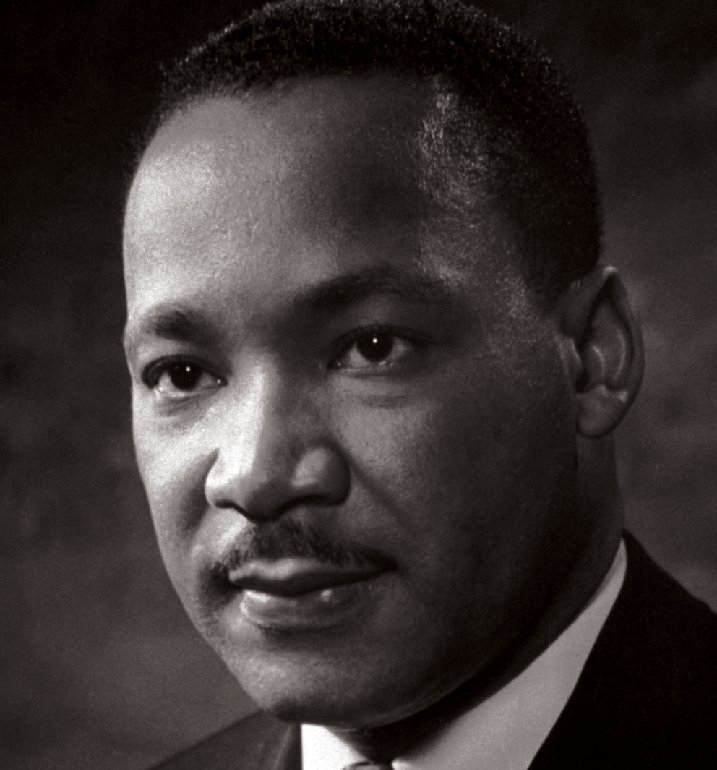
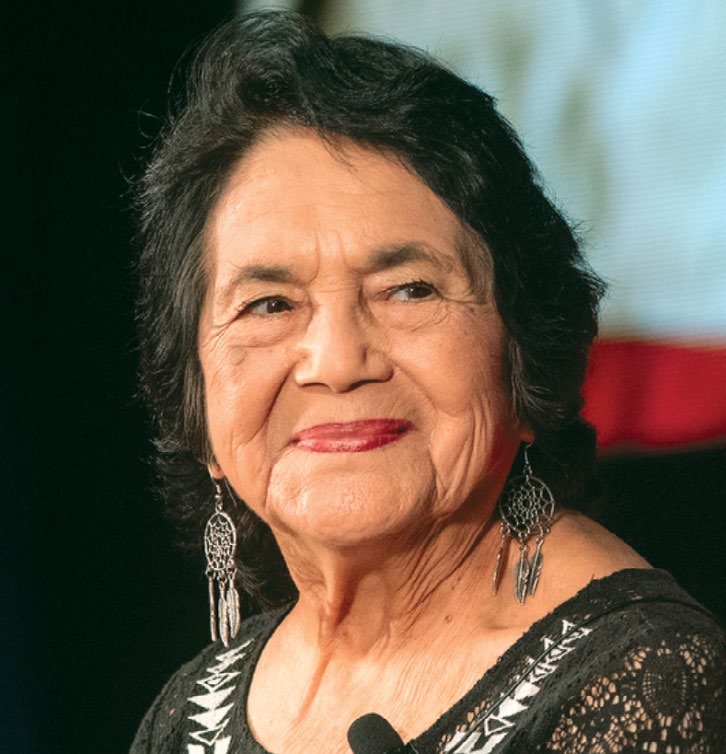
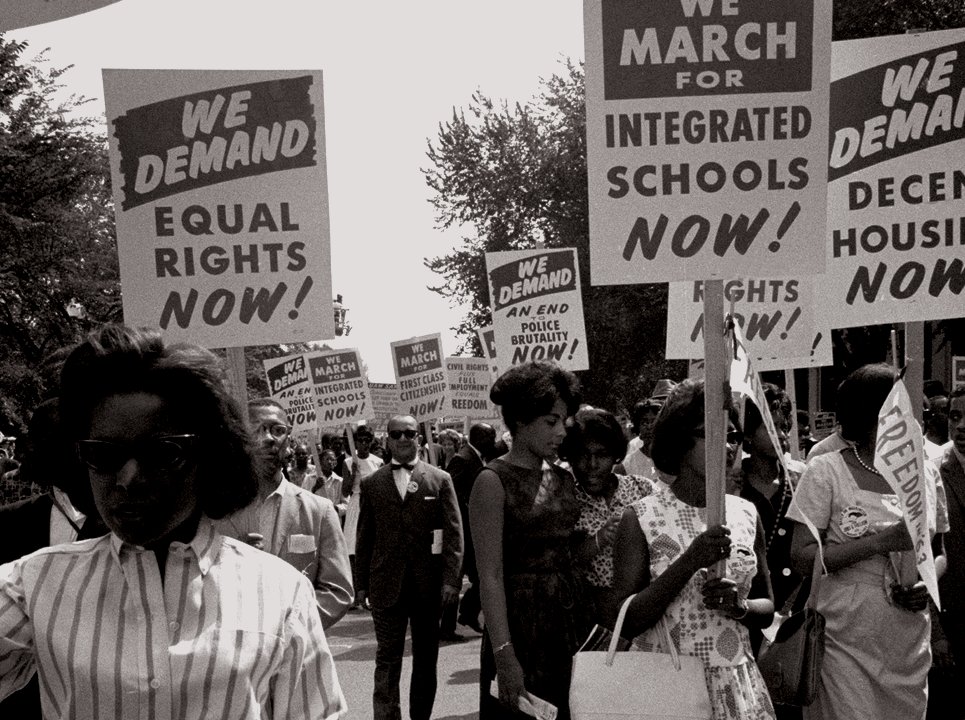
During the 1900s, many states had laws that discriminated against people based on their race. Some of these laws said that people of different races had to go to separate schools, eat in separate restaurants, and live in separate neighborhoods. Other laws made it difficult for people to vote based on their race. Many of the states that had these laws wanted to separate Black Americans from White Americans. Some states had laws that discriminated against Latino Americans and Asian Americans.
Soon after World War II ended, many people in the United States began a movement to end racial discrimination. The movement to end racial discrimination in the United States is called the Civil Rights Movement. During the Civil Rights Movement, many people worked to end the laws that separated people based on their race or made it difficult for people to vote based on their race. For example, Martin Luther King, Jr., fought for civil rights. He was a leader in the Civil Rights Movement who organized peaceful protests against racial discrimination and laws that separated people by race. A lot of his work focused on fighting for civil rights for Black Americans, but he wanted all people in the United States to have civil rights.
There were also many Latino Americans, Asian Americans, and people from other communities that helped lead the fight for civil rights. For example, Cesar Chavez and Dolores Huerta were civil rights leaders from the Latino American community.
The Civil Rights Movement led to many changes in the United States. Martin Luther King, Jr., and other civil rights leaders were able to convince Congress to pass two laws that protect civil rights and voting rights. In 1964, Congress passed a law called the Civil Rights Act. This law says it is illegal to discriminate against someone based on their race, religion, sex, or national origin. In 1965, Congress passed another law called the Voting Rights Act. This law says that states cannot deny people the right to vote based on their race.
Today, Martin Luther King, Jr. Day is a national holiday. We celebrate Martin Luther King, Jr. Day on the third Monday in January.
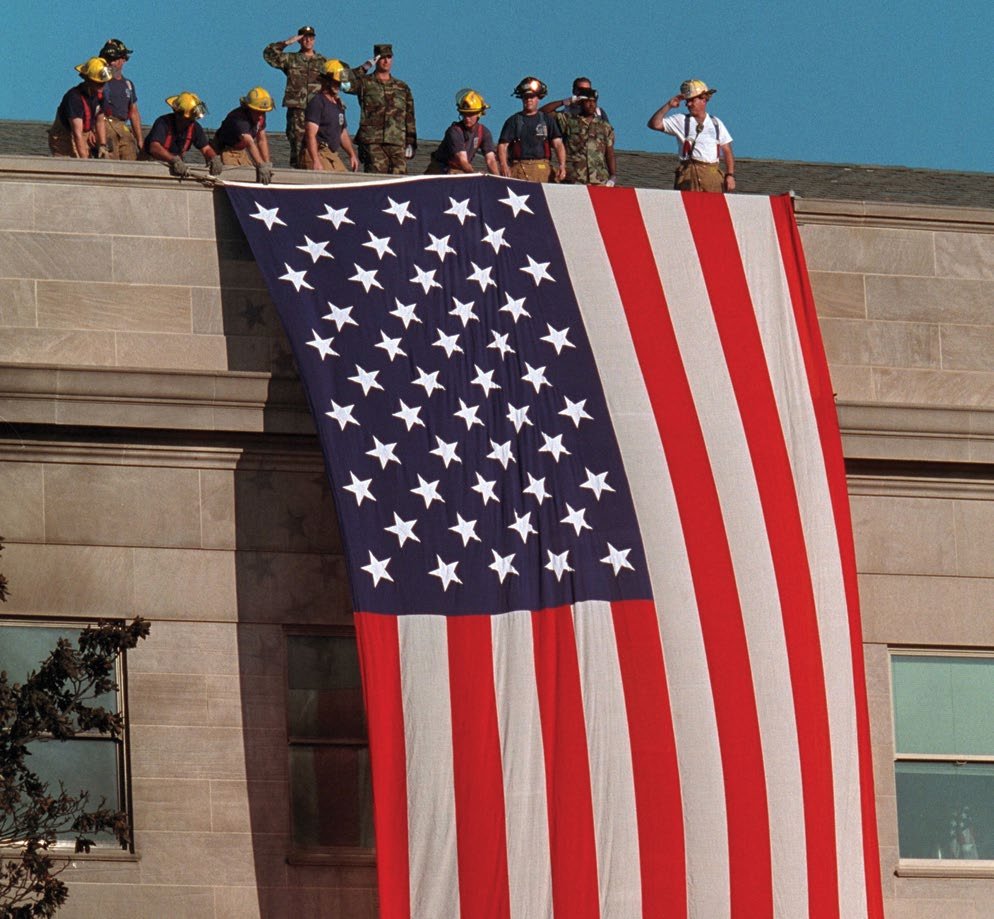
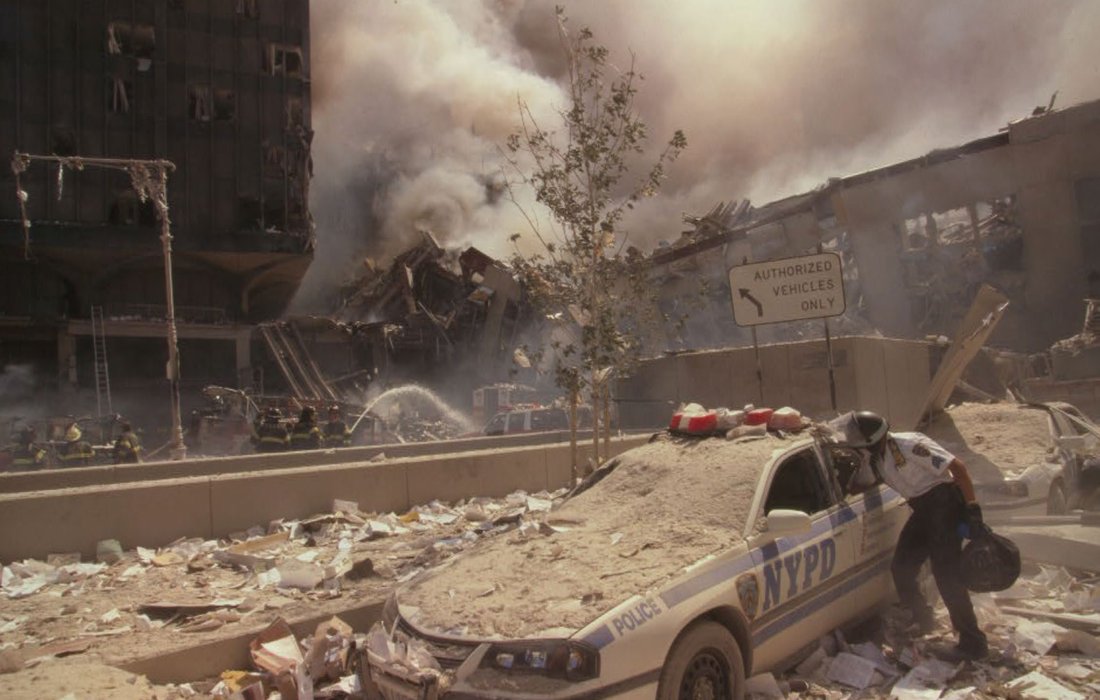
On September 11, 2001, terrorists attacked the United States. Terrorists hijacked four airplanes. Two airplanes crashed into the World Trade Center in New York City. One plane crashed into the Pentagon in Arlington, Virginia, near Washington, D.C. The passengers on the fourth plane fought the terrorists and the plane crashed in Shanksville, Pennsylvania.
Almost 3,000 people died in the September 11th terrorist attacks. The September 11, 2001, terrorist attacks were the worst attacks on the United States’ homeland since Japan attacked Pearl Harbor in 1941.
What you'll learn in this chapter
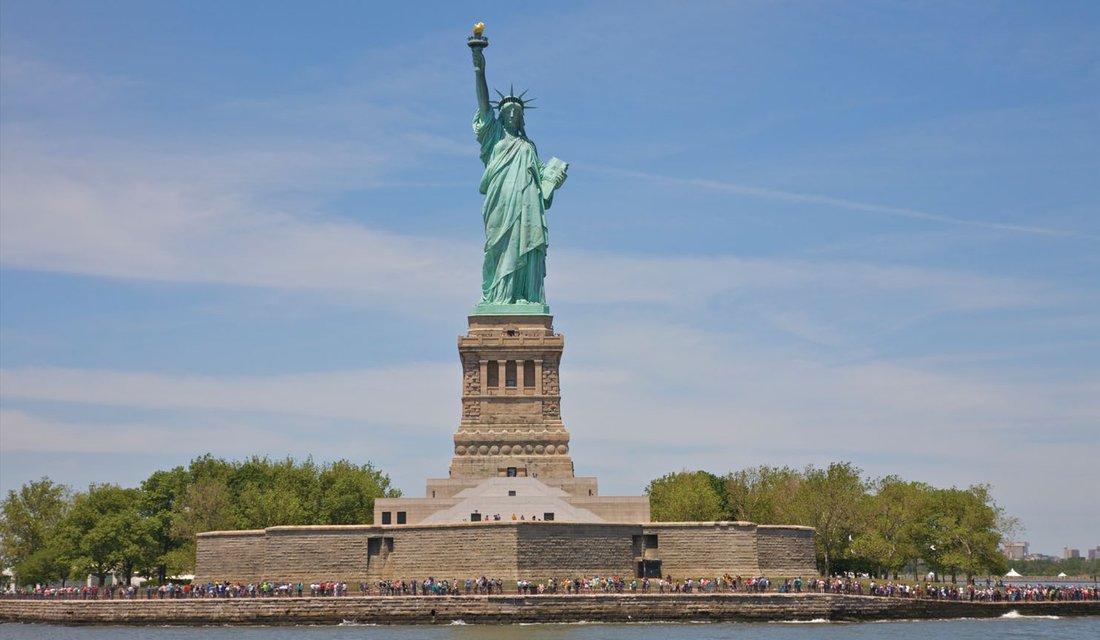
The Statue of Liberty is a famous symbol of the United States. In 1886, France gave the statue to the United States as a symbol of friendship.
It is a symbol of freedom and democracy. The Statue of Liberty is in New York Harbor on Liberty Island. Every year, over 4 million people from around the world visit the Statue of Liberty.
The statue is of a woman holding a torch in her right hand and a tablet in her left hand. The tablet has the date July 4, 1776, on it. July 4, 1776, is when the Declaration of Independence was adopted.
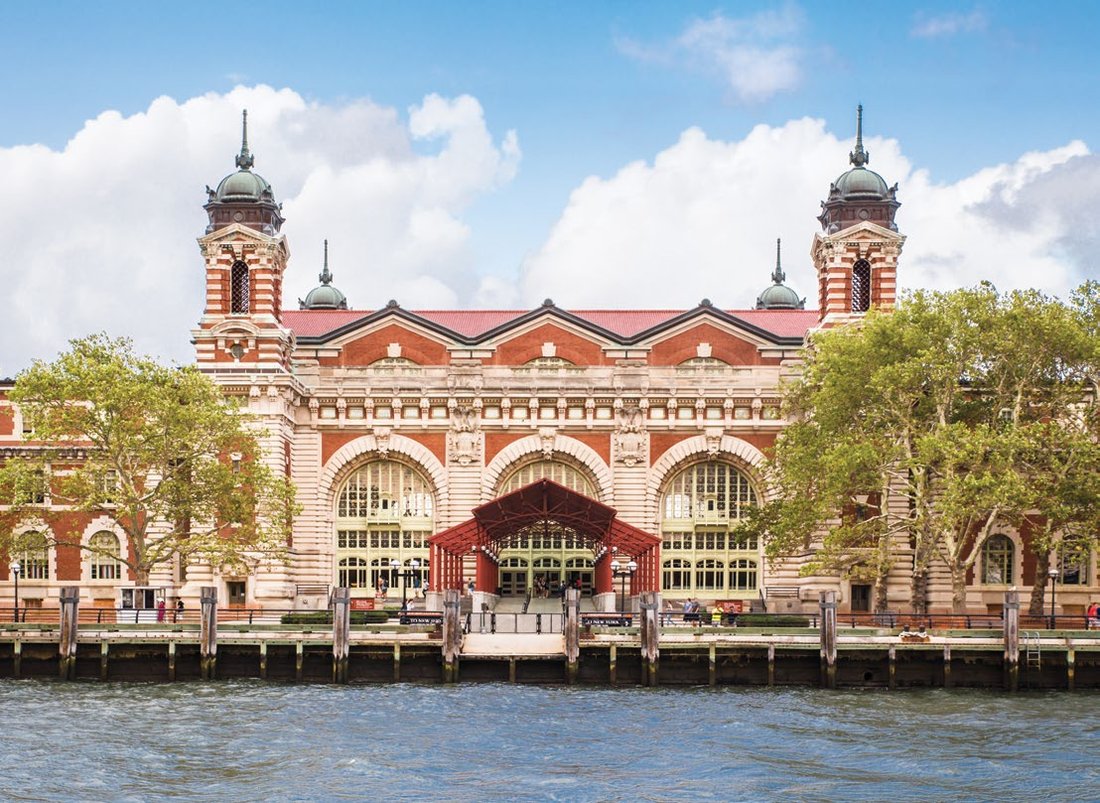
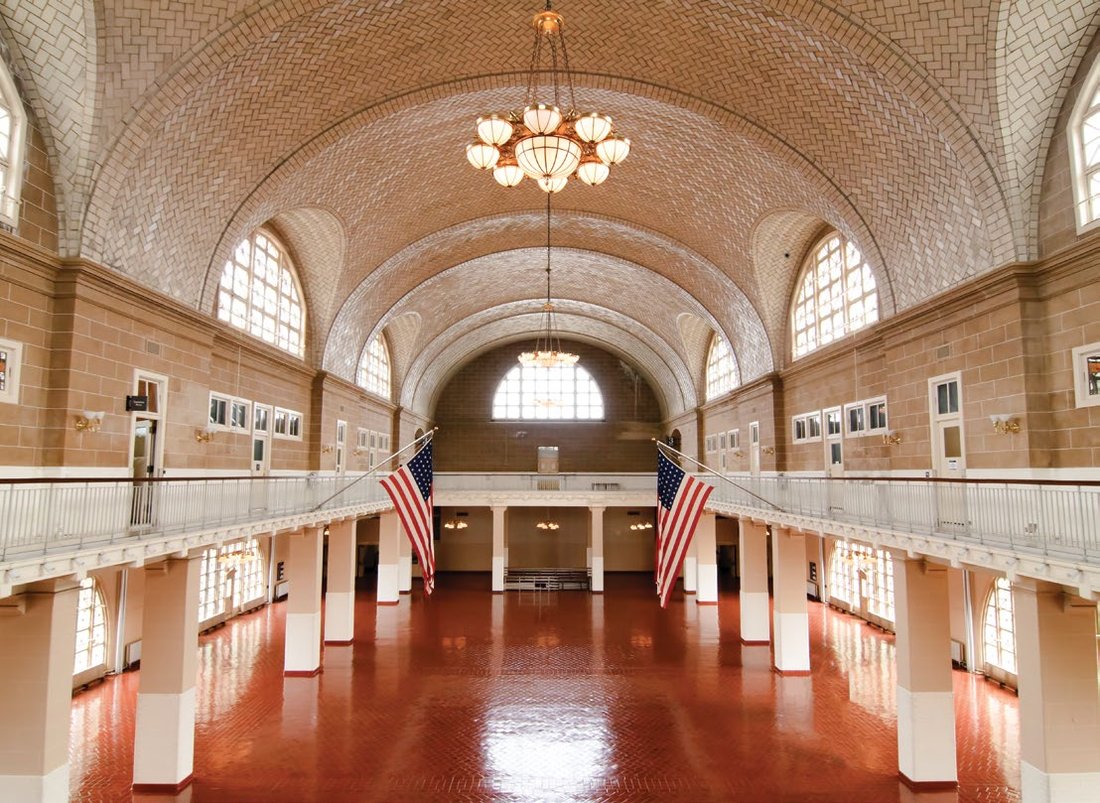
Ellis Island was an immigration station in New York Harbor. Ellis Island began receiving immigrants to the United States on January 1, 1892. Over the next 62 years, more than 12 million immigrants arrived in the United States through Ellis Island. Currently the Statue of Liberty and Ellis Island are National Historic Sites. For more information on the Statue of Liberty and Ellis Island, please visit: nps.gov/stli.
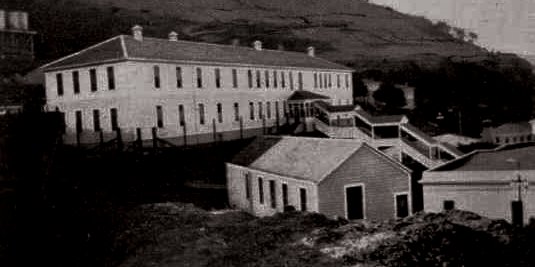
Angel Island was another important immigration station on the West Coast. The Pacific Ocean is on the West Coast of the United States. Between 1910 and 1940, Angel Island processed nearly 1 million immigrants that crossed the Pacific Ocean. Many Asian Americans can trace their family history through Angel Island.
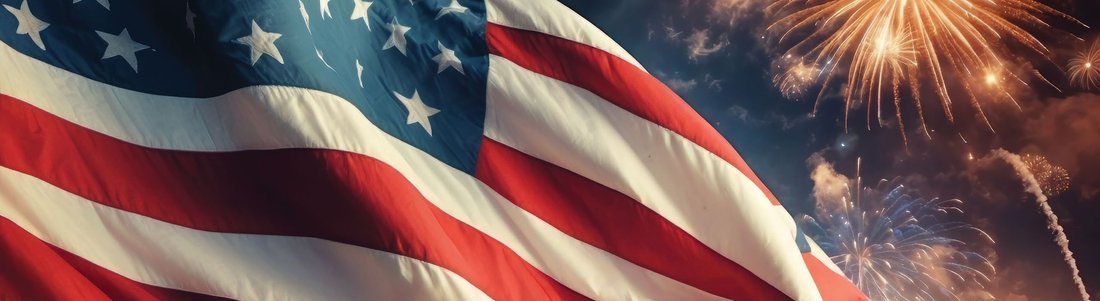
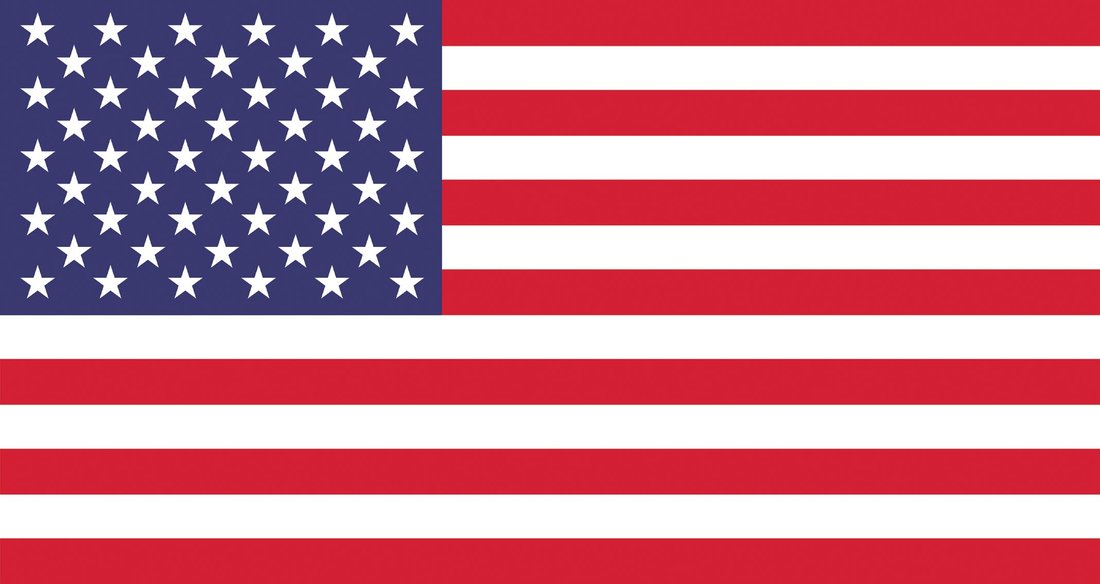
The American flag is an important symbol of the United States. Like the Statue of Liberty, it is also a symbol of freedom. The colors of the flag are red, white, and blue. Each color on the flag has a meaning:
The flag has 13 red and white stripes. The stripes represent the 13 original colonies.
There are 50 stars on the flag. Each star represents a state.
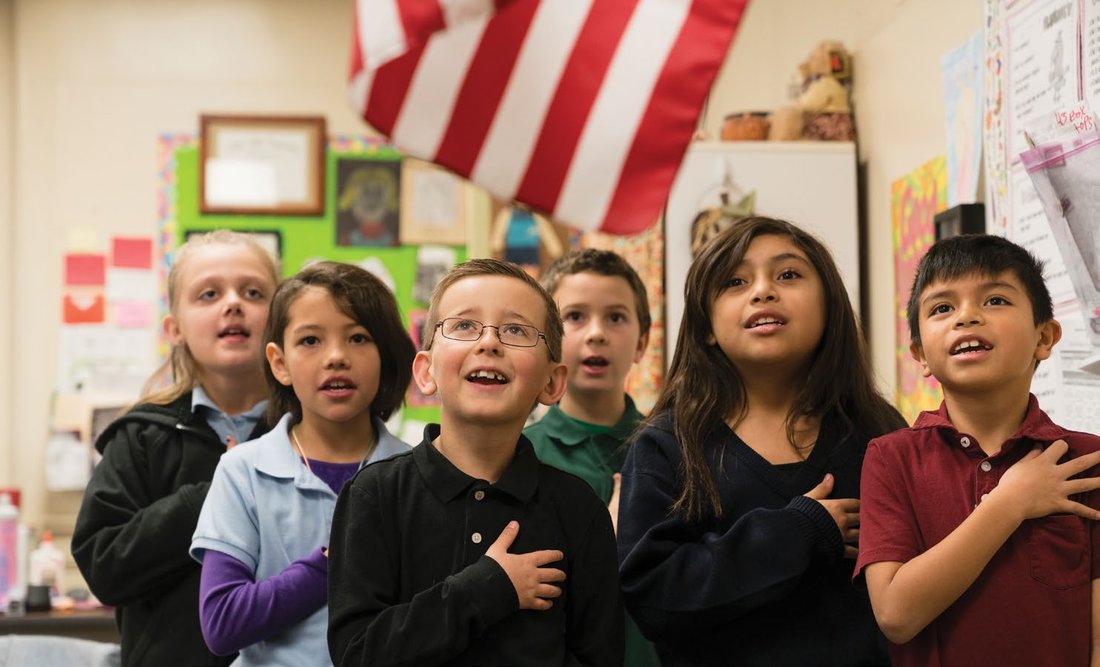
We show loyalty to the flag and the United States when we say the Pledge of Allegiance.
During naturalization ceremonies, everyone attending the ceremony is asked to say the Pledge of Allegiance. When we say it, we stand, turn toward the flag, and put our right hand over our heart.
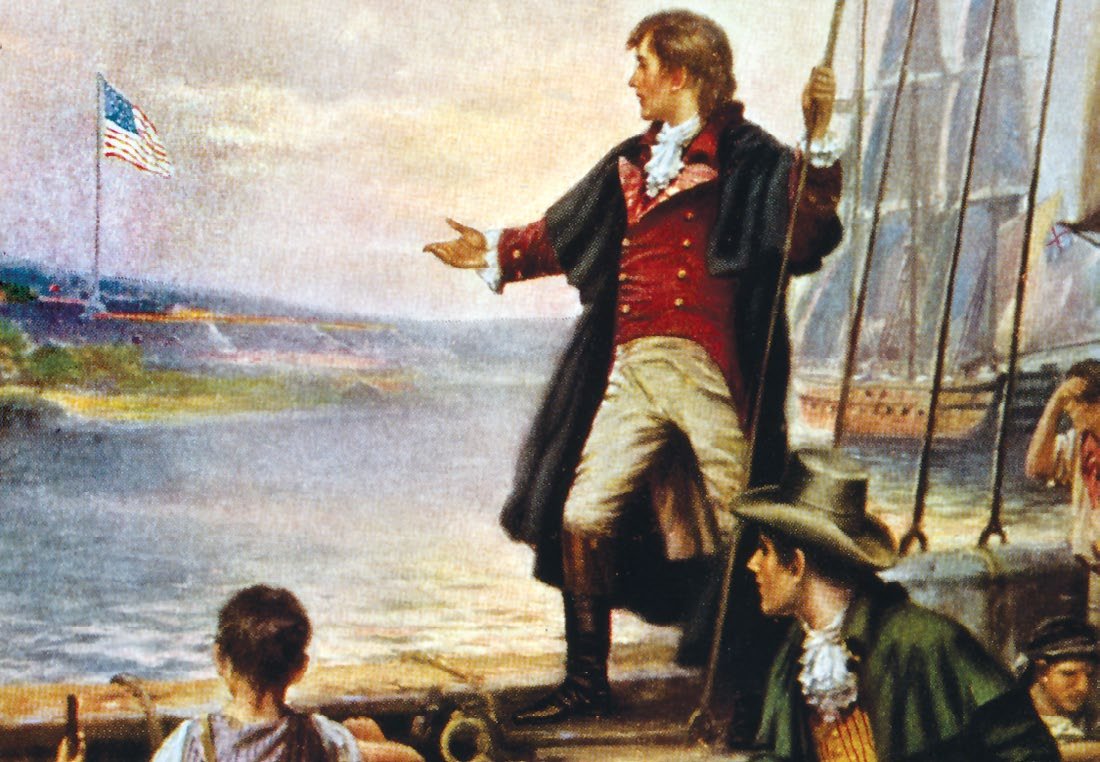
The name of the national anthem is “The Star-Spangled Banner”.
“Spangled” refers to the stars on the flag that look like they are shining in night sky. The word “banner” means flag.
The Star-Spangled Banner was written by Francis Scott Key. He wrote it about seeing the American flag after a battle during the War of 1812. The War of 1812 was one war the U.S. fought in the 1800s.
The following holidays are national holidays. National holidays are sometimes called “federal holidays” because they were passed by Congress and signed into law by the President.
The following federal holidays relate to other content from the 128 Civics Questions and Answers.
Martin Luther King, Jr. Day is a day that we honor the life and work of Martin Luther King, Jr.
Martin Luther King, Jr., was a church and community leader. He fought for civil rights by working to protect the rights of individuals listed in the Bill of Rights. For example, Martin Luther King, Jr. believed that everyone should have rights and freedoms listed in the First Amendment. The First Amendment protects freedom of worship, speech, the press, assembly, and the right to ask the government for a change.
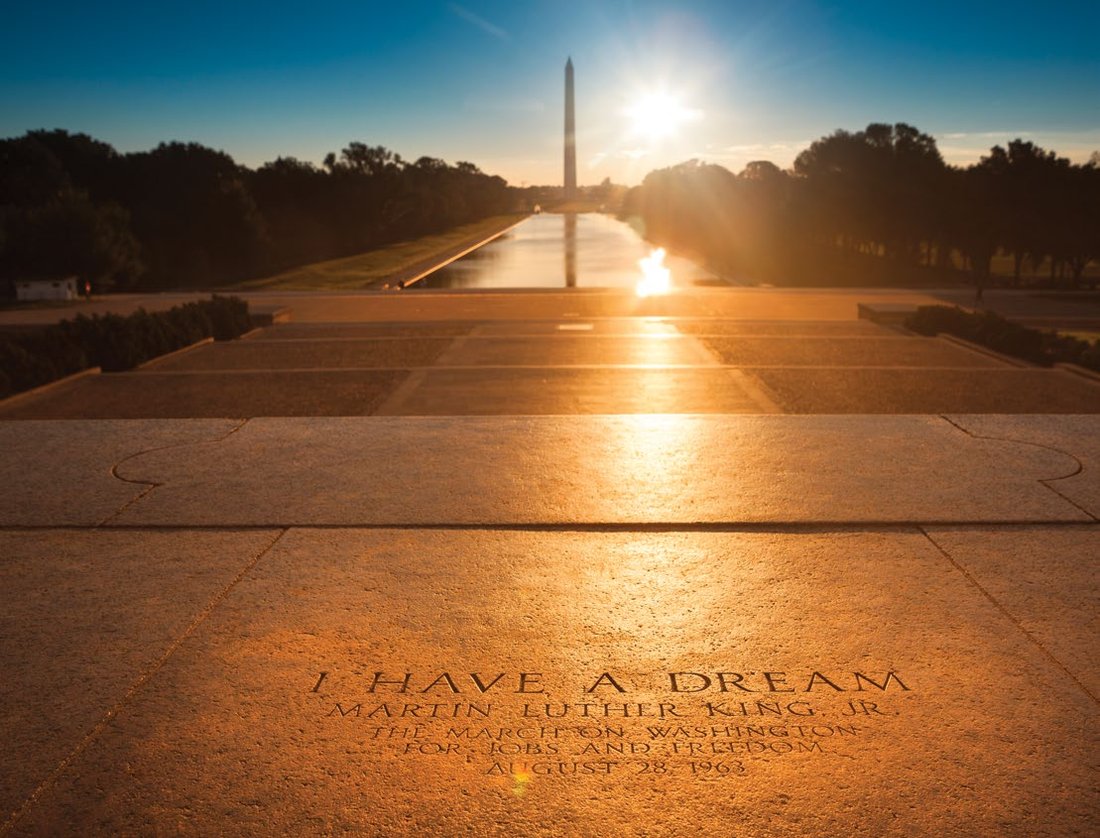
Martin Luther King, Jr., led many of the events during the civil rights movement. The civil rights movement tried to end racial discrimination. In 1963, Martin Luther King, Jr., led the March on Washington for Jobs and Freedom. He gave his famous “I Have a Dream” speech in front of the Lincoln Memorial.
In 1965, Martin Luther King, Jr., and other civil rights leaders, like John Lewis, helped to organize a march from Selma, Alabama, to Montgomery, Alabama. They organized the march to support voting rights for all U.S. citizens. Soon after the march from Selma to Montgomery, Congress passed a law called the Voting Rights Act of 1965.
Martin Luther King, Jr., was awarded the Nobel Prize for Peace in 1964. He was assassinated on April 4, 1968.
The third Monday in January is Martin Luther King, Jr. Day. It is a national holiday. There is also a memorial in Washington, D.C., to honor him.
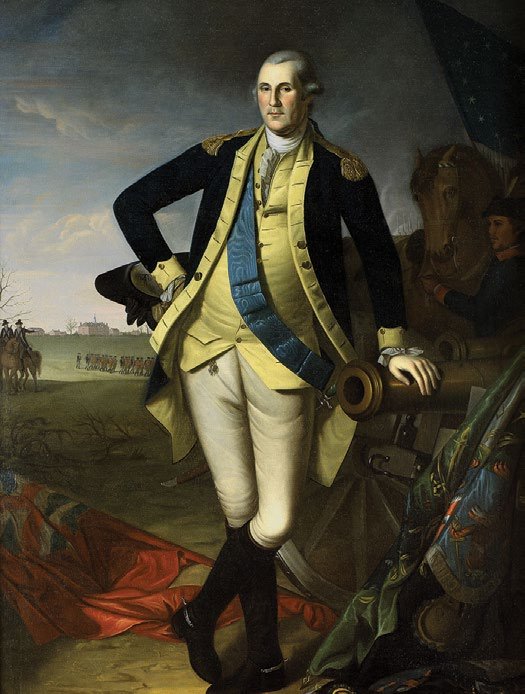
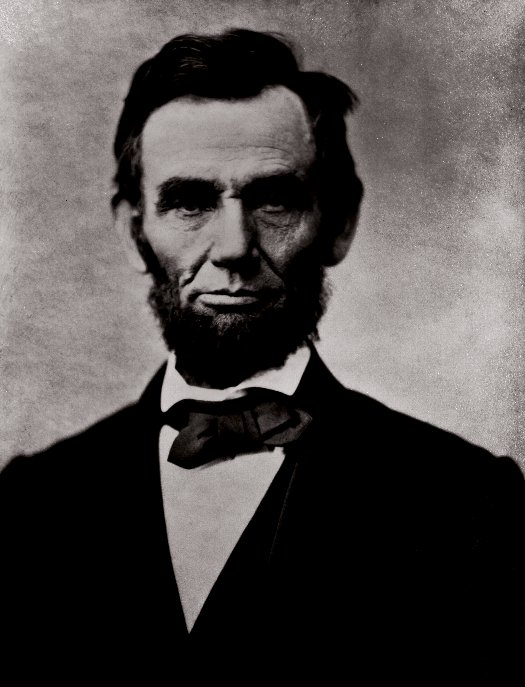
We celebrate Presidents’ Day to honor George Washington and Abraham Lincoln.
George Washington was the first president of the United States. He is also called the “Father of Our Country”. President Washington was born on February 22.
Abraham Lincoln was the 16th President of the United States. He led the United States during the Civil War. President Lincoln was born on February 12.
We celebrate Presidents’ Day on the third Monday in February because it is between President Washington’s birthday and President Lincoln’s birthday.
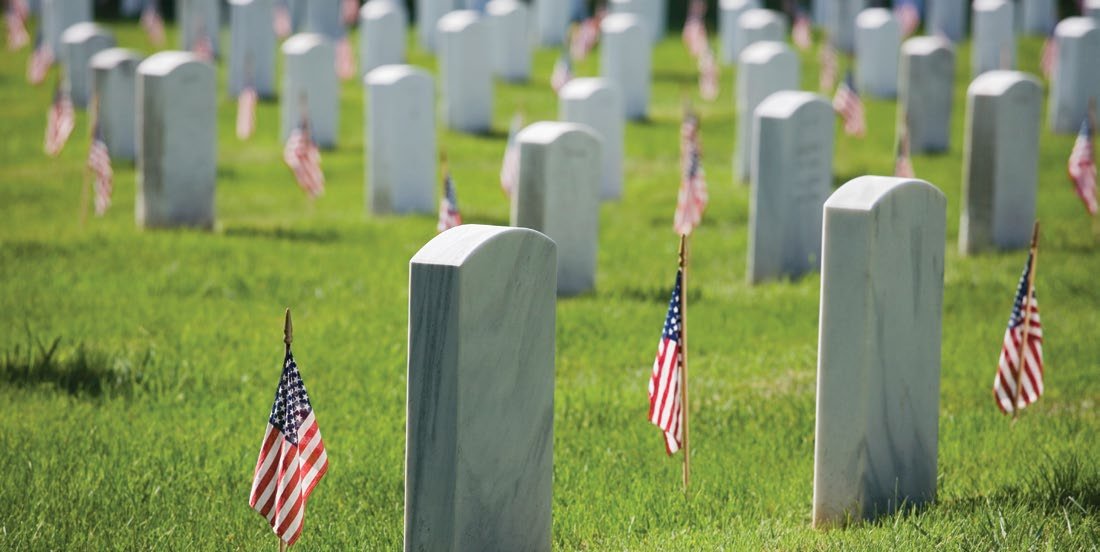
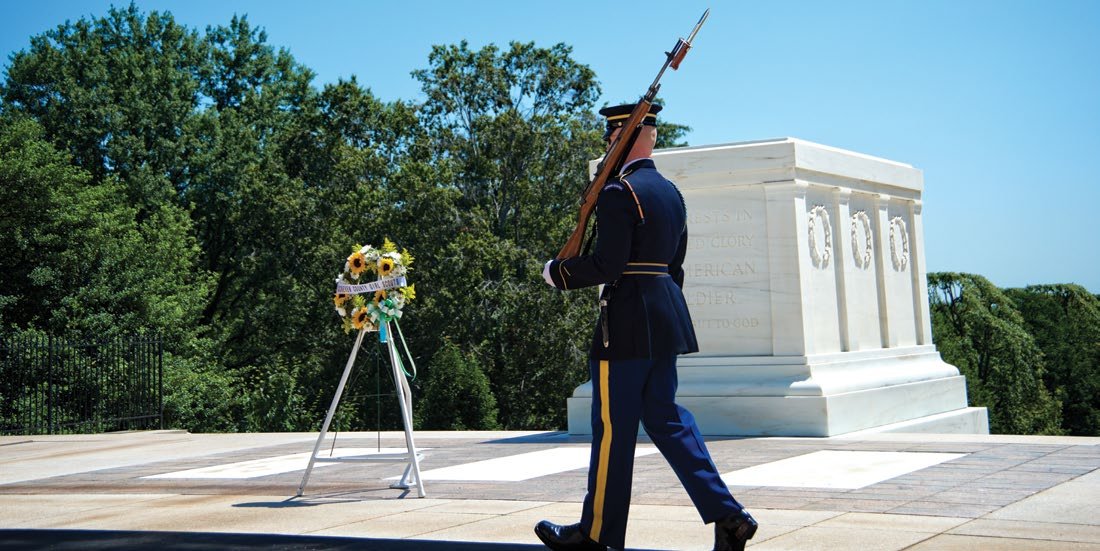
Memorial Day honors men and women who died in service to the United States. Memorial Day is the last Monday in May.
Memorial Day was originally called Decoration Day, from decorating graves with flowers, wreaths, and flags. People in the United States started to observe Memorial Day more widely soon after the Civil War. The Civil War was one war the U.S. fought in the 1800s.
Today, Memorial Day is a national holiday. It is commemorated at Arlington National Cemetery each year with a ceremony in which a small American flag is placed on each grave. We also fly the American flag at half-staff to honor those who died in service to the United States.
Juneteenth is a national holiday that recognizes the end of slavery in the United States.
In 1863, President Abraham Lincoln issued the Emancipation Proclamation. The Emancipation Proclamation said the enslaved people in the Southern states were free. Slavery did not actually end until the Civil War ended in 1865. On June 19, 1865, enslaved people in Galveston, Texas, became the last to learn that they were free. This is why June 19th is called Juneteenth.
Independence Day, or the Fourth of July, celebrates the Declaration of Independence, or the birth of the nation.
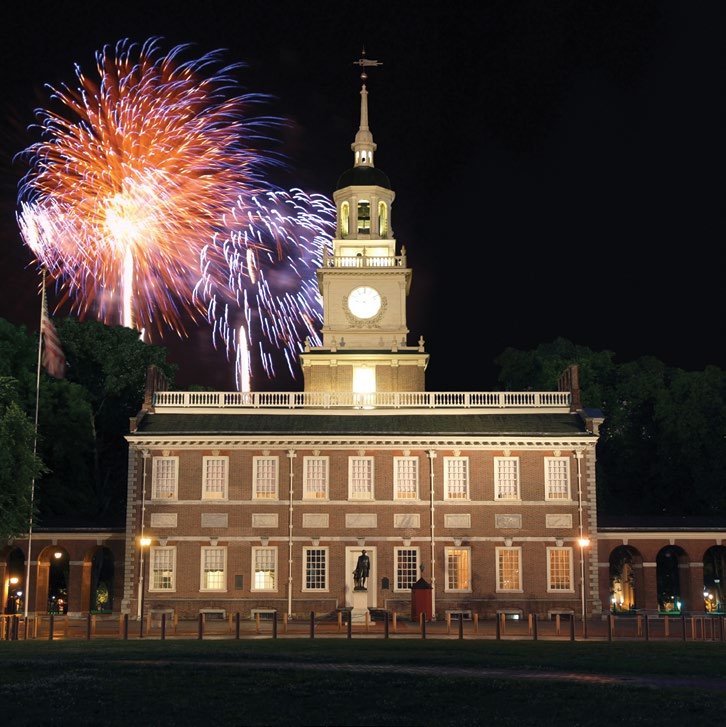
The Declaration of Independence announced America’s independence from Britain. Thomas Jefferson wrote the Declaration of Independence as a statement of freedom from unfair treatment from Great Britain. The Declaration of Independence was adopted on July 4, 1776.
The Declaration of Independence highlights the importance of self- government in the United States. It also inspired many countries around the world to declare their own freedom.
Every year we celebrate Independence Day on July 4.
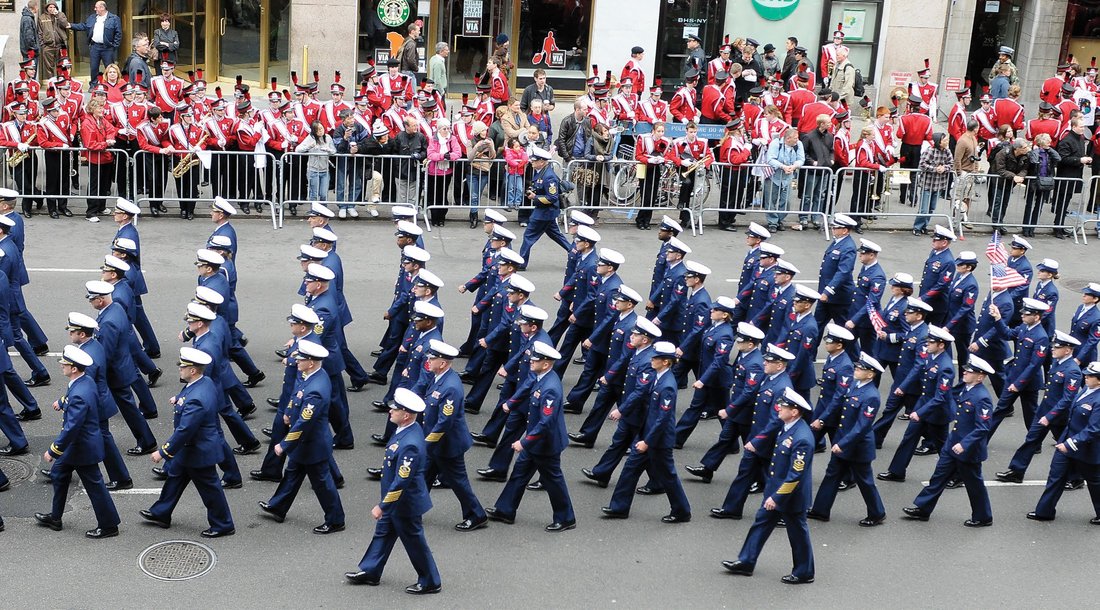
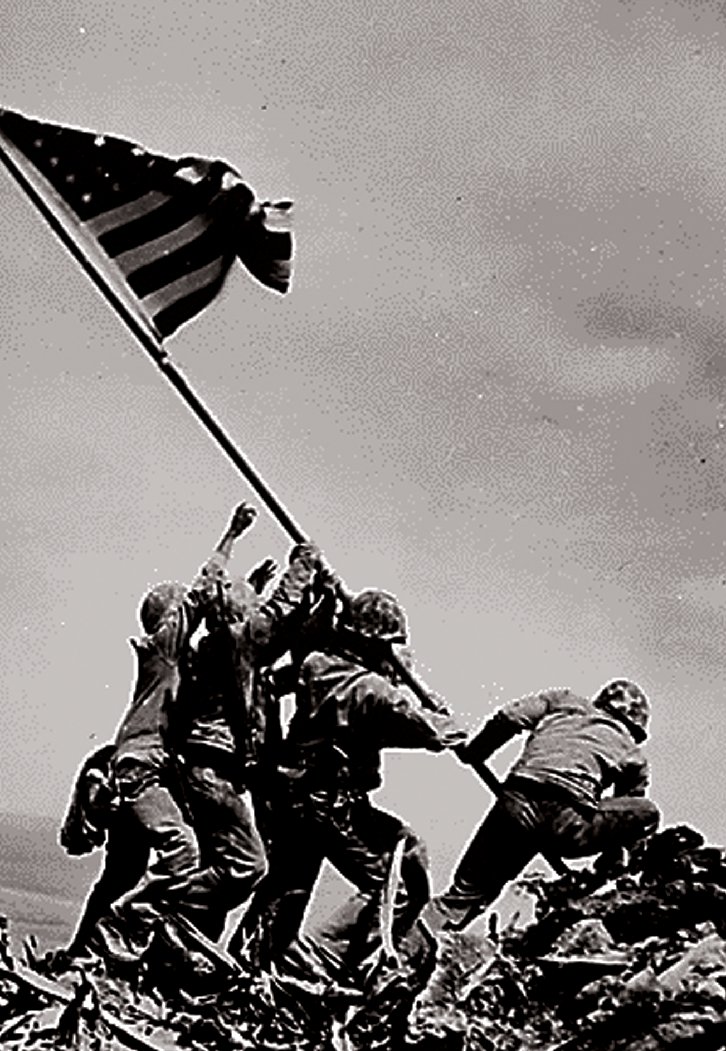
Veterans Day is a national holiday when we honor individuals who have served in the U.S. Armed Forces (alive or deceased) in service of the United States.
Veterans Day was originally called Armistice Day and celebrated the end of World War I, which ended on November 11, 1918. World War I is one war the U.S. fought in the 1900s. Woodrow Wilson was the President of the United States during World War I. Armistice Day was officially recognized by U.S. President Woodrow Wilson in 1919. It began to be observed throughout the world, honoring those who fought to end of the “Great War.”
In 1954, U.S. veterans asked Congress to write a law that changed the name of Armistice Day to Veterans Day. The U.S. Congress makes federal laws. On June 1, 1954, Congress passed a law for Veterans Day to be a national holiday to honor men and women (alive or deceased) who have served in the U.S. military.
Today, we celebrate Veterans Day each year on November 11.
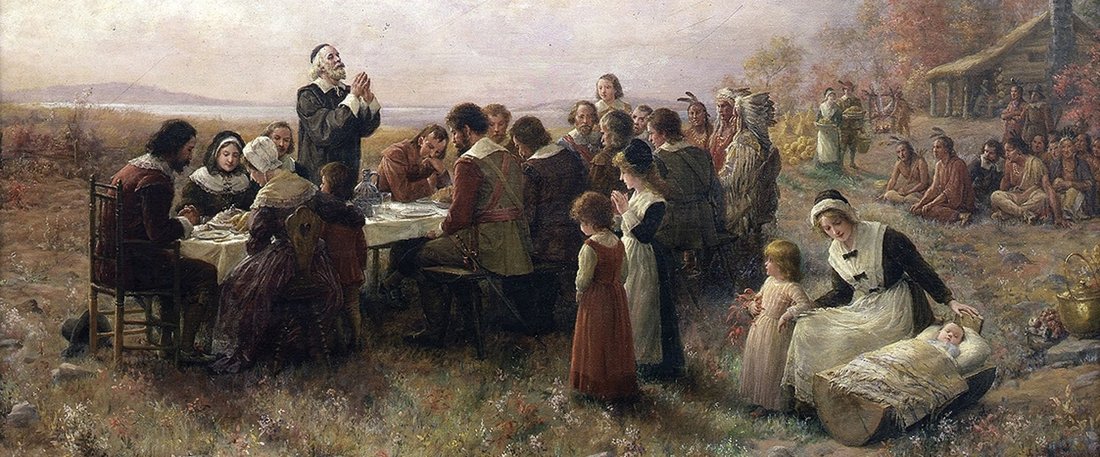
Thanksgiving is a national U.S. holiday that is celebrated on the fourth Thursday in November. Thanksgiving celebrates a harvest meal shared by Native Americans and English colonists in 1621. In November 1621, English colonists were trying to create a colony in Massachusetts. A Native American tribe called the Wampanoag gathered with the colonists in the fall for a harvest feast.
Today, the people in the United States gather with family and friends on Thanksgiving to share a meal and reflect on the reasons why they are thankful.
The complete official list. Any answer marked with an asterisk in the source guide may change with elected officials check uscis.gov/citizenship/testupdates for current names. Every question has an Albanian translation and a listen button for both languages. Questions marked ★ are part of the 20-question set for applicants 65+ with 20 years as a permanent resident.
Voices come from your device or browser. If no Albanian voice is installed, pick the closest one available.
Download the original USCIS "One Nation, One People" 2025 civics test study guide the exact document this page was built from.
Download the PDF Study Guide Civics